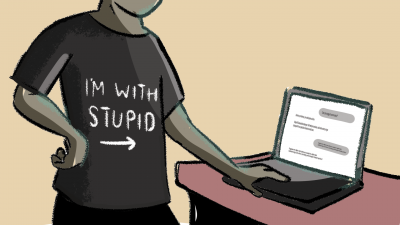
URGENT UPDATE: A groundbreaking study from Aalto University has just confirmed that users of AI language models, specifically ChatGPT, significantly overestimate their cognitive performance. Released on October 28, 2025, the research reveals a concerning trend where individuals fail to accurately assess their abilities while interacting with AI.
The findings indicate a profound disconnect between perceived and actual performance levels among users. This phenomenon directly challenges the well-known Dunning-Kruger Effect, which typically suggests that less competent individuals overestimate their abilities. The study found that all users, regardless of their self-assessed AI literacy, believed they were performing better than they actually were.
Researchers have identified a reversal of the Dunning-Kruger Effect, where those who consider themselves more knowledgeable about AI tend to assume their capabilities exceed reality. This troubling trend raises critical questions about the implications of AI on user self-awareness and decision-making.
With the rise of AI technologies in everyday tasks, the emotional impact is significant. Users relying on AI for assistance may develop a false sense of security, leading to potentially detrimental outcomes in both personal and professional environments. The study highlights the urgent need for education and awareness regarding the limitations of AI tools to mitigate overconfidence.
As AI continues to integrate into various sectors, the implications of this study are profound. It underscores the necessity for users to critically evaluate their interactions with AI technologies and seek proper training to enhance their understanding and competencies.
In light of these discoveries, experts urge individuals to approach AI tools with caution and realism. The research from Aalto University serves as a crucial reminder that while AI can enhance our capabilities, it should not replace critical thinking and self-assessment.
Stay tuned as we follow this developing story and its impact on the future of AI interactions. Share this information to raise awareness and spark discussions about the importance of understanding our relationship with artificial intelligence.