UPDATE: New statistics show that divorce rates among those aged 50 and older in the U.S. are skyrocketing, doubling since 1990. This alarming trend is reshaping family structures and posing unique challenges for older couples navigating the complexities of separation.
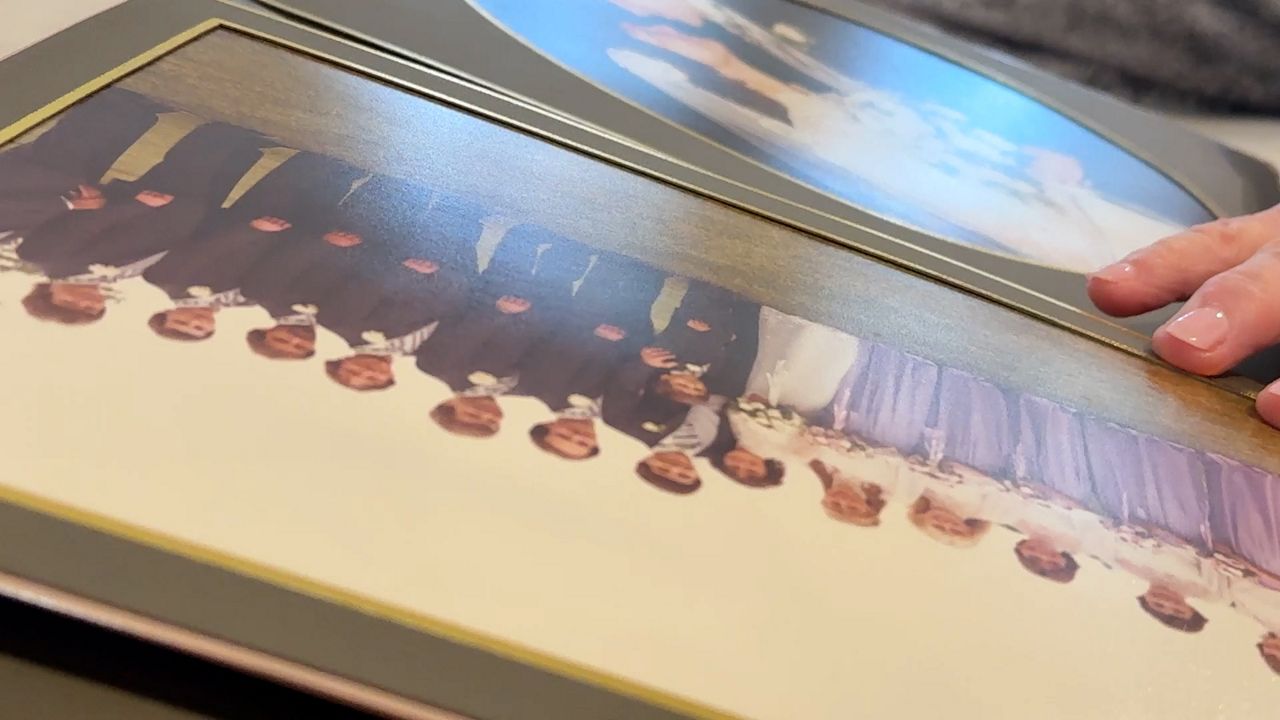
In Buffalo, N.Y., Kate Comaratta, who experienced a divorce after 38 years of marriage, reflects on the emotional upheaval. “Love is love, until something changes,” Comaratta stated, highlighting the stark reality many face. After her split, she noted, “That was the toughest part – that it’s 4 to 7, 5 to 7 time of day,” referring to the loss of daily routines once shared.
The American Psychological Association reports that divorce rates have more than doubled for those aged 50 and older, with even more staggering figures indicating a tripling among those 65 and older. Lynne Shine, a licensed mental health counselor, comments, “I’ve had people say to me, ‘I feel like my whole life is a lie.'” The emotional toll can be significant, mirroring the grief of losing a loved one.
Experts attribute rising divorce rates to various factors, including political divisions and the impact of the pandemic. Shine explains that prolonged cohabitation has led couples to realize differing worldviews, prompting many to consider separation. “They started to feel a shift,” she said.
While some believe that divorcing after children have grown is easier, it often complicates family dynamics and can have profound effects on adult children. Shine emphasizes the importance of keeping children out of disagreements during the divorce process to minimize their emotional burden.
Michael Rossi, an attorney at the Rossi Law Firm, points out that New York’s historical resistance to no-fault divorce laws contributed to couples remaining together longer. “Oftentimes, parties, particularly older couples, didn’t want to air their fault grounds,” Rossi explained. Now, as divorce becomes more accessible, the complexities of legal and financial entanglements arise, making the process daunting.
Rossi elaborates on the intricacies involved in ‘gray divorce,’ including dividing complex assets such as pensions, retirement accounts, and investments. He advises clients to be absolutely certain before proceeding with divorce, stating, “Are you absolutely certain that you’re ready to move forward with terminating your marriage?”
Despite the challenges, Comaratta has found personal growth post-divorce. “Six years after my divorce, I am a new person,” she shared. “I always thought I would never get divorced. And here I am. But I’m OK. I’m more than OK. I’m doing great.”
Shine encourages individuals facing divorce to allow themselves to grieve and prioritize their mental health. Engaging in creative activities or grounding exercises like yoga can be beneficial. “Let yourself grieve and find ways to stay mentally healthy,” she advised.
As ‘gray divorce’ continues to rise, it underscores the need for emotional support and understanding for those navigating this challenging transition. The impact of these changes will resonate across families and communities, making it crucial for individuals to seek help and find their paths forward.