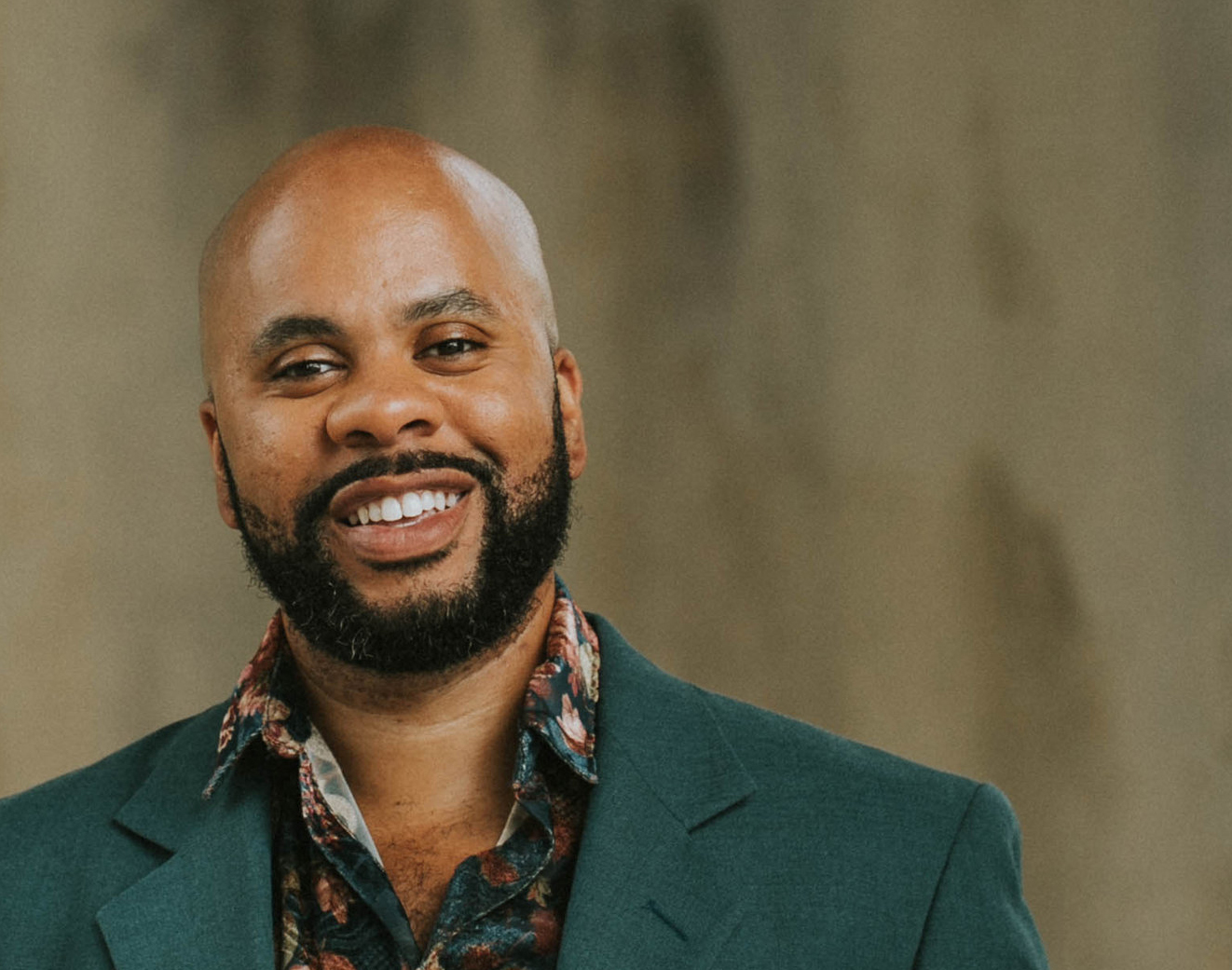
UPDATE: Acclaimed author and essayist Ta-Nehisi Coates has made shocking allegations regarding President Donald Trump, claiming he is constructing a “white supremacist army” within the U.S. government that could endure long after his presidency. This urgent statement came during a discussion on October 12, 2023, on The Bulwark Podcast, where Coates and former GOP operative Tim Miller examined the implications of Trump’s administration.
Coates highlighted a “reality shift” in the Department of Homeland Security amid mounting criticism surrounding the recent killings of two U.S. citizens in Minneapolis, Minnesota. Miller expressed his astonishment at the administration’s propaganda tactics, particularly referencing Secretary Kristi Noem posing in front of a detention center in El Salvador, describing it as one of the most egregious actions by the Trump administration.
Miller stated, “That’s probably the worst,” while emphasizing the troubling nature of the propaganda being disseminated to Americans through unconventional means, including ASMR videos and memes. Coates pointed out the historical significance of this shift, saying, “A lot of the memes they’re putting out are just old 1950s posters reupped.”
While he acknowledged these tactics might not be “acutely harming” like detention practices, Coates warned of the “perniciousness” of this campaign, which he labeled as “armed identity politics.” He clarified that while all politics involve identity, not all fall under this categorization.
Coates underscored the alarming nature of Trump’s approach, stating, “I’ve said some pretty harsh things in my time, but I don’t know that I’ve seen before the President of the United States attempt to build what I can only call a white supremacist army that’ll outlast him.” He emphasized that this situation is unprecedented, pointing to the recruitment strategies and propaganda efforts as signs of a troubling new direction in American politics.
As this situation develops, the implications of Coates’ statements raise critical questions about the future of political discourse in the United States. The urgency of his message resonates with many who are concerned about the long-lasting effects of such a movement.
Stay tuned for more updates on this developing story as we continue to monitor the implications of these claims and the response from government officials and the public. This discussion is crucial as it touches on the very fabric of American identity and governance.