BREAKING: The U.S. has made a startling move by cutting recommended childhood vaccines, now advising vaccinations against only 11 diseases. This change, effective immediately, has raised serious concerns among medical professionals about potential health risks for children across the country.
The U.S. Centers for Disease Control and Prevention (CDC) announced this unprecedented decision on November 20, 2023. Notably, the CDC will no longer broadly recommend vaccines for influenza, rotavirus, hepatitis A, hepatitis B, some forms of meningitis, or RSV. These vaccines will now only be recommended for specific high-risk groups or through “shared decision-making” with healthcare providers.
Leading medical groups warn this shift could jeopardize protection against preventable diseases. Dr. Sean O’Leary of the American Academy of Pediatrics stated, “Literally children’s health and children’s lives are at stake.” His concern comes amid rising disease rates, such as measles and whooping cough, as vaccination rates slide and exemptions reach record highs.
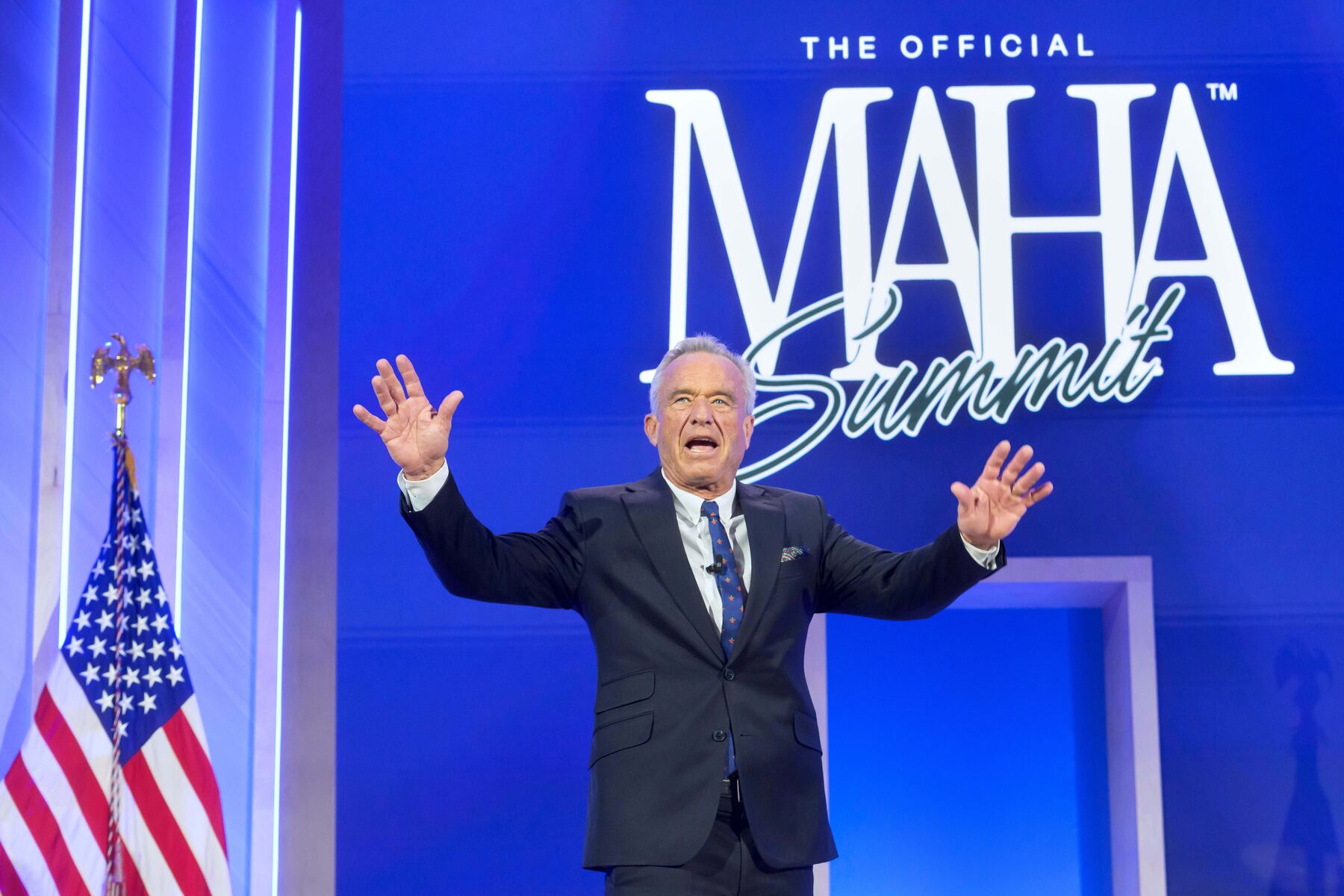
The overhaul comes as part of a directive from President Donald Trump, who requested a review of vaccine recommendations in December 2022. The findings revealed that the U.S. was an “outlier” compared to 20 peer nations in terms of both the number and types of vaccines recommended. Health Secretary Robert F. Kennedy Jr. framed the changes as a way to enhance public trust in health guidelines.
However, critics argue the decision was made without adequate public discussion or input from advisory committees. Dr. Michael Osterholm of the Vaccine Integrity Project cautioned, “Abandoning recommendations for vaccines that prevent influenza, hepatitis, and rotavirus will lead to more hospitalizations and preventable deaths among American children.”
This controversial policy shift occurs as the U.S. faces the onset of a severe flu season, following a tragic winter in which 280 children died from influenza—the highest toll since 2009. The flu vaccine, once universally recommended for anyone over six months old, is now no longer a broad recommendation, raising alarm among health experts.
States hold the authority to mandate vaccinations for schoolchildren, with the CDC’s recommendations often shaping those requirements. Some states are already mobilizing to counter the new federal guidance. The American Academy of Pediatrics has issued its own vaccine schedule, continuing to advocate for vaccines that the federal government has deprioritized.
As public health officials grapple with the ramifications of this decision, experts emphasize the need for transparency and robust scientific evidence when altering vaccine schedules. Dr. Sandra Fryhofer of the American Medical Association noted, “Changes of this magnitude require careful review, expert and public input, and clear scientific justification.” The urgency of this situation cannot be understated, as health officials and parents alike face uncertainty about the implications for children’s health.
The U.S. public health landscape is shifting dramatically, with far-reaching consequences for families. Stay tuned for updates as this developing story unfolds, and ensure your family is informed about the latest vaccine recommendations.