UPDATE: The U.S. government has intensified efforts to safeguard Nigeria’s Christian community following alarming violence, with President Donald Trump signaling a comprehensive strategy that goes beyond military intervention. This urgent move comes after Trump threatened military action to combat the rising tide of attacks from Islamic militants targeting both Christians and Muslims in Nigeria.
A State Department official announced that the plan includes diplomatic measures, potential sanctions, and cooperative intelligence sharing with Nigerian authorities. Defense Secretary Pete Hegseth met with Nigeria’s National Security Adviser, Malcolm Nuhu Ribadu, last week, emphasizing the Pentagon’s commitment to combat the persecution of Christians by jihadist groups.
This shift in U.S. policy follows Trump’s controversial statements threatening to cut off all assistance to Nigeria if violence against Christians continues. “What’s happening in Nigeria is a disgrace,” Trump stated during an interview on Fox News Radio, expressing his frustration over the Nigerian government’s inaction.
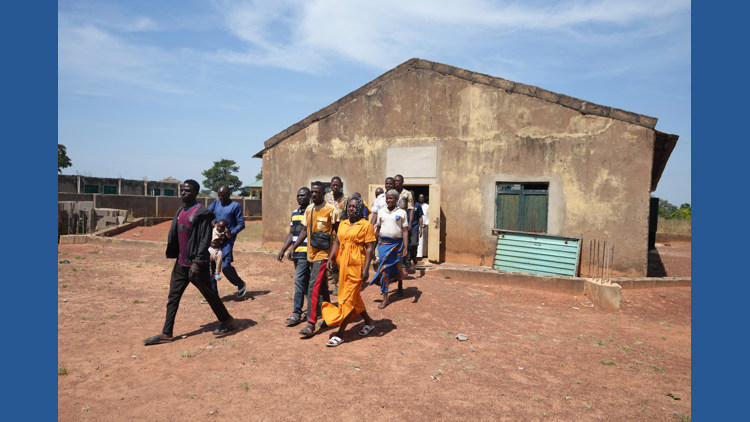
The violence isn’t just a religious issue; it arises from complex conflicts involving militant groups like Boko Haram, economic struggles, and competition over resources between mainly Muslim herders and predominantly Christian farmers. Recent reports highlight mass abductions at schools, where students were taken from both Christian and Muslim institutions, intensifying fears throughout the region.
In a congressional hearing, Jonathan Pratt, the head of the State Department’s Bureau of African Affairs, outlined a broad approach to address Nigeria’s violence, which involves security, policing, and economic support. He described Nigeria as a “country of particular concern” for religious freedom, opening the door for possible sanctions.
The situation has garnered global attention, with celebrities like rapper Nicki Minaj advocating against religious persecution. The international community is now closely watching U.S. actions in Nigeria, as military options remain on the table but come with significant risks. Experts warn that any unilateral U.S. intervention could exacerbate the ongoing crisis without proper coordination with Nigerian forces.
U.S. military involvement would likely require redeployment from other global locations, raising questions about effectiveness given Nigeria’s intricate security landscape. Analysts assert that addressing Nigeria’s security challenges will take more than just military strikes. Senior adviser Judd Devermont emphasized that sustainable solutions require economic development and interfaith dialogue.
With violence escalating and the Nigerian government rejecting unilateral military intervention, the focus shifts to collaborative efforts. U.S. officials are urged to work with Nigerian authorities to ensure that military strategies are informed by a deep understanding of the local context. The danger of misreading the situation could lead to unintended consequences, further destabilizing the region.
As U.S. officials continue to formulate their approach, the world watches closely for updates on this developing story. The urgency of the situation in Nigeria underscores the need for immediate action to protect vulnerable communities from violence and persecution.