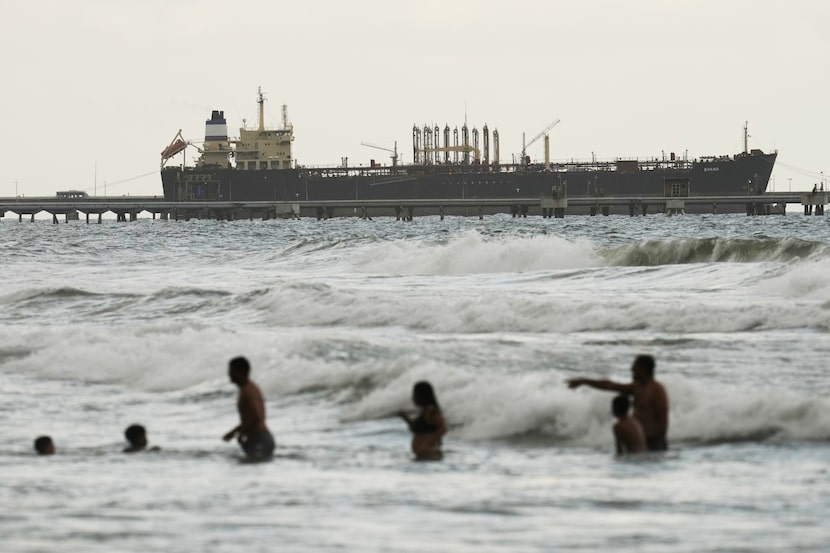
UPDATE: U.S. forces have intercepted another sanctioned oil tanker, the Olina, in the Caribbean Sea during a dramatic predawn raid this morning. This operation marks the fifth tanker seized as part of the U.S. government’s ongoing efforts to control Venezuelan oil distribution amidst heightened tensions.
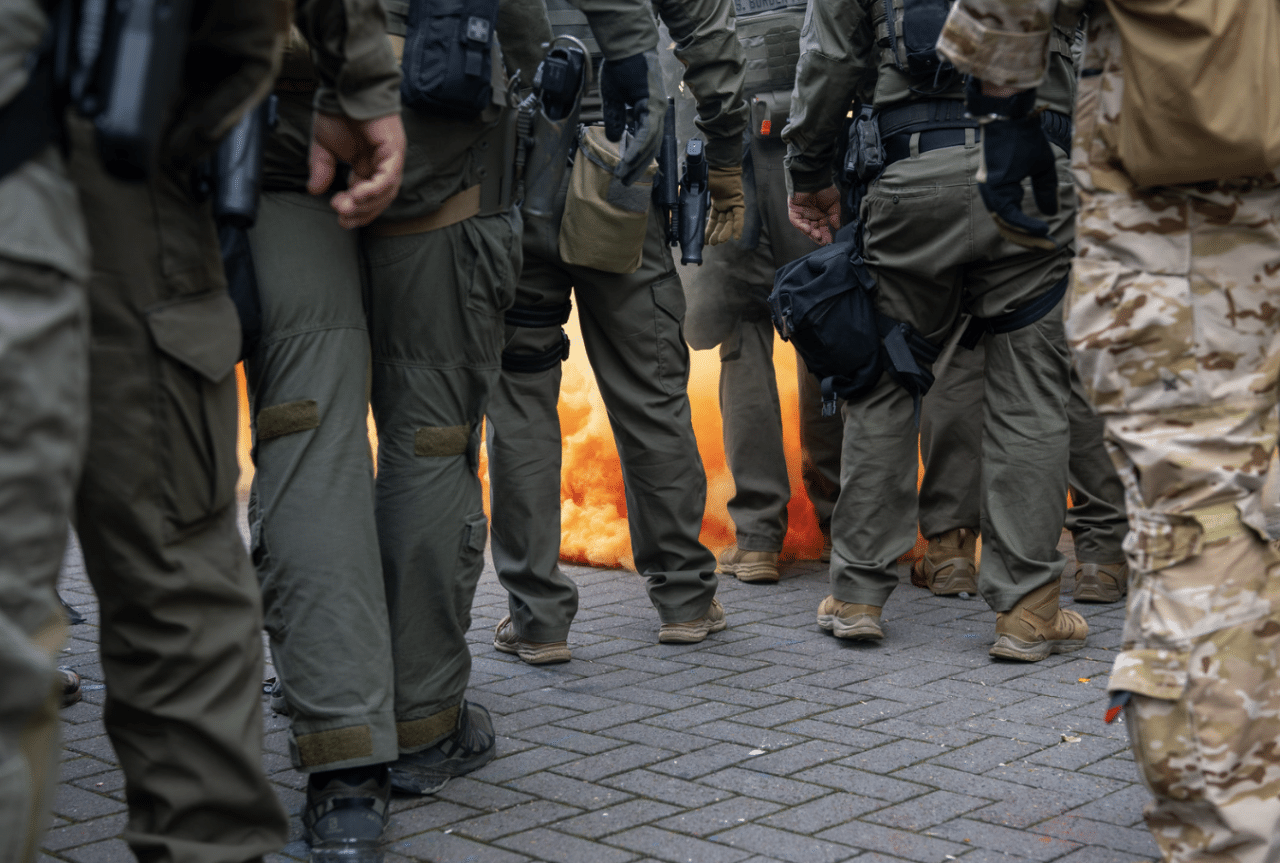
The raid was executed by Marines and Navy sailors launched from the USS Gerald R. Ford, emphasizing the extensive military presence the U.S. has established in the region. U.S. Southern Command declared, “there is no safe haven for criminals,” reinforcing the urgency of this operation.
In a release, Homeland Security Secretary Kristi Noem shared unclassified footage of the operation, showing U.S. personnel boarding the vessel and conducting searches. The footage displayed a helicopter landing on the Olina’s deck, where officials disposed of what appeared to be an explosive device.
According to Noem, the Olina was identified as a “ghost fleet” tanker suspected of carrying embargoed oil, having departed from Venezuela while attempting to evade U.S. forces. The seizure is part of the Trump administration’s broader strategy to control Venezuela’s oil production and distribution following the ousting of President Nicolás Maduro.
In a social media post, President Donald Trump stated that the operation was conducted “in coordination with the Interim Authorities of Venezuela,” although detailed information remains scarce. The White House has yet to provide additional comments on the operation.
The Venezuelan government acknowledged the seizure, claiming the Olina set sail without proper authorization. In their statement, they noted, “Thanks to this first successful joint operation, the ship is sailing back to Venezuelan waters for its protection and relevant actions.” This acknowledgment highlights the complex relationship between U.S. forces and Venezuelan authorities during this critical moment.
According to data from TankerTrackers.com, at least 16 tankers have recently departed the Venezuelan coast, in violation of U.S. quarantine measures aimed at blocking sanctioned vessels. The Olina, previously known as the Minerva M, was flagged in Panama and is reportedly carrying 707,000 barrels of oil, valued at over $42 million at current market prices of approximately $60 per barrel.
The Olina’s registration is now flagged under Timor-Leste, but it is listed as having a false flag, complicating its legal status. Recent changes to the ship’s ownership have further obscured its operations, as the management was transferred to a company in Hong Kong last July.
As the U.S. intensifies its efforts, the administration aims to sell between 30 million to 50 million barrels of sanctioned Venezuelan oil, with proceeds intended for both U.S. and Venezuelan citizens. Trump has expressed his desire to invest $100 billion in Venezuela’s oil infrastructure, aiming for a modern and efficient restoration of its oil industry.
Vice President JD Vance has emphasized the U.S. strategy to “control” Venezuela’s oil sales, asserting that the U.S. can dictate where its oil can be sold. This ongoing operation signals a shift in U.S.-Venezuelan relations, as both nations navigate this high-stakes energy crisis.
As this situation develops, the global community watches closely. The implications of these actions could reshape Venezuela’s economy and its relationship with the U.S., making it imperative for stakeholders to remain informed on future updates.