UPDATE: A U.S. B-52 bomber flew over the Caribbean Sea, approaching Venezuelan airspace on July 10, 2023, as part of escalating military operations aimed at increasing pressure on President Nicolas Maduro. This move is part of a broader strategy involving multiple U.S. combat aircraft, signaling an urgent crackdown on drug trafficking and potential threats in the region.
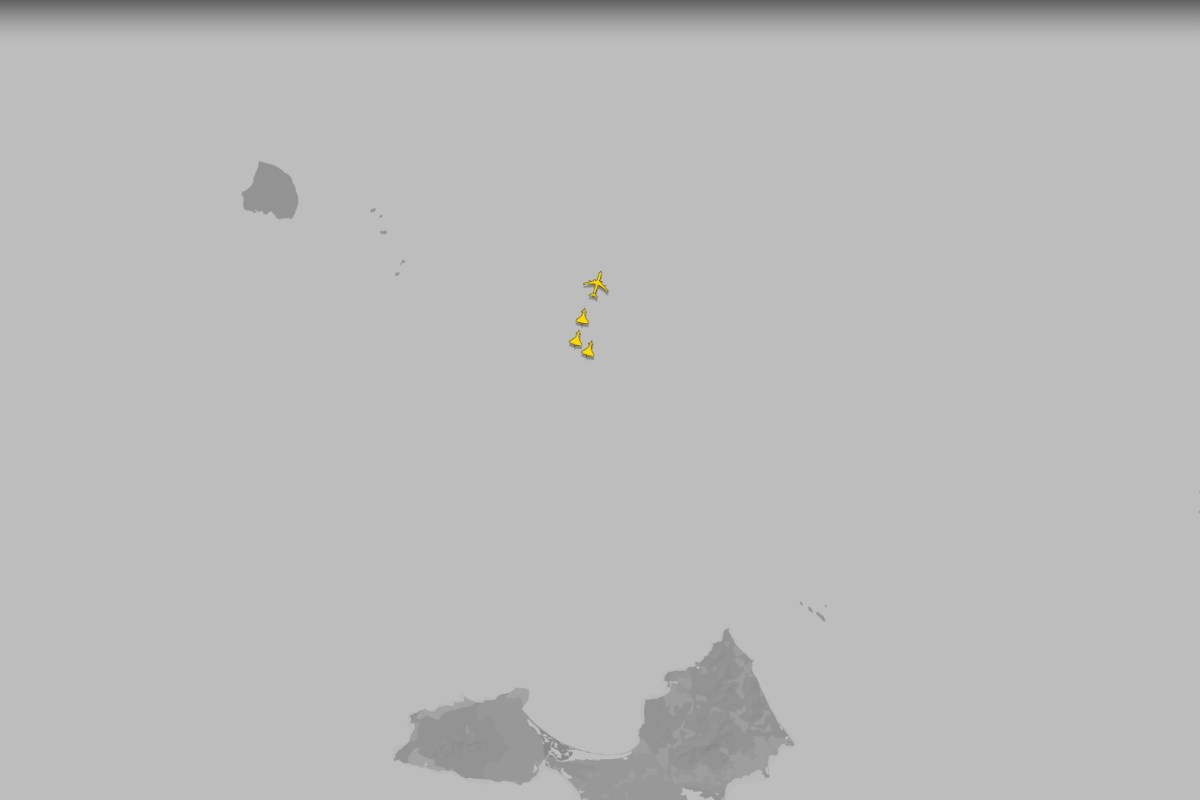
The B-52’s flight, confirmed by open-source flight-tracking data, marks its second mission in five days. Accompanied by F/A-18 Super Hornets, the bomber is likely monitoring drug activity near Venezuela as part of Operation Southern Spear. Military sources indicate that this operation is intended to disrupt narco-terrorist activities, a critical focus for U.S. Southern Command (SOUTHCOM).
This surge in military activity comes in the wake of the U.S. formally designating the Cartel de los Soles—a network allegedly linked to senior Venezuelan officials—as a terrorist organization. This designation took effect on the same day as the B-52’s flight, further heightening tensions between the U.S. and Venezuela.
In a stark warning, Secretary of Defense Pete Hegseth stated, “Don’t get in a boat because it’s going to end poorly for you.” He emphasized the U.S.’s unmatched capabilities to strike both on land and sea, reinforcing the commitment to disrupt illicit drug trafficking.
Why This Matters: The growing military presence reflects a significant shift from a targeted drug crackdown to a broader strategy aimed at undermining Maduro’s regime. As tensions escalate, Venezuelan authorities have described U.S. actions as a “ridiculous scheme” to justify intervention, urging the U.S. to reconsider its aggressive posture.
Details: According to reports, the most-tracked flights on the evening of July 10 included two Boeing B-52H Stratofortress bombers and a Lockheed Martin C-130J-30 Super Hercules, all heading south over the Americas. This uptick in military maneuvers showcases the U.S.’s commitment to enhancing its operational footprint in the southern Caribbean, aiming to safeguard its interests and combat drug trafficking.
As military operations intensify, the implications for regional stability are profound. The U.S. has indicated readiness to apply long-range pressure similar to operations against extremist groups abroad. While there are no confirmed plans for strikes on land targets within Venezuela, the rhetoric from U.S. officials suggests that all options remain on the table.
What Happens Next: The international community is closely monitoring developments, as U.S. military leaders hold daily strategy meetings to determine the best course of action. As pressure mounts on Maduro’s government, the potential for further military engagement looms large.
This situation is developing rapidly, and readers are encouraged to stay informed as new updates emerge on this critical geopolitical issue. The stakes are high, and the outcome could significantly impact not only Venezuela but the wider Caribbean region.