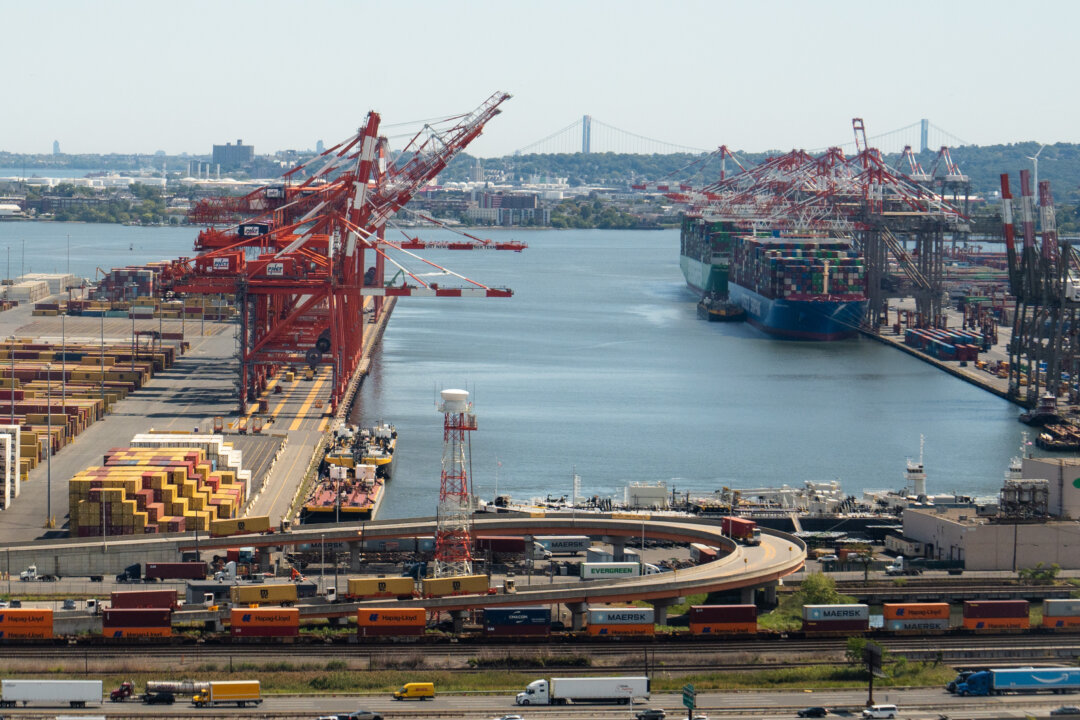
UPDATE: In a critical move, the United Nations’ International Maritime Organization (IMO) voted on October 17, 2023, to postpone a decision on a proposed global carbon tax aimed at reducing emissions from international shipping. This decision comes amid significant opposition from the United States and Saudi Arabia, who have been vocal against the framework.
The motion to defer the vote was passed with 57 votes in favor and 49 against, pushing the potential implementation of the carbon tax back by one year. The proposed framework was designed to establish a global fuel standard for ships over 5,000 gross tonnage, part of a broader strategy to achieve net-zero greenhouse gas emissions from the shipping sector by 2050.
This delay raises urgent questions about the future of global climate initiatives, as the shipping industry is a significant contributor to carbon emissions. The IMO’s decision to postpone reflects the growing tensions within international climate negotiations, particularly as countries grapple with balancing economic interests and environmental responsibilities.
Officials from the United States have expressed strong concerns regarding the economic impact of the proposed tax, arguing it could disadvantage American shipping companies in the competitive global market. Saudi Arabia has echoed these sentiments, pushing for more time to assess the implications of such regulations on its economy, which heavily relies on oil exports.
The implications of this decision extend beyond just shipping; it signals potential setbacks in international efforts to combat climate change. As nations prepare for the upcoming COP28 climate conference, the urgency to address emissions in all sectors becomes increasingly critical.
What comes next in this unfolding narrative will be crucial. The IMO’s decision to delay the vote indicates that negotiations will continue, and stakeholders from various nations will likely engage in discussions to find common ground. Observers will be watching closely to see if new proposals emerge that might satisfy both economic and environmental concerns.
Stay tuned for updates as this developing story unfolds, impacting not just the shipping industry but global climate strategies at large.