UPDATE: A shocking report from The New York Times reveals that Somali immigrants in Minnesota allegedly defrauded the state of more than $1 billion in taxpayer money over the past five years. Authorities are calling this scheme one of the largest fraud cases tied to COVID-19 relief funds in the United States.
The investigation highlights a network of individuals who set up fake companies to bill state agencies for social services that were never provided. White House Press Secretary Karoline Leavitt commented on the report, underscoring its significance and the urgent need for accountability.
The fraud, which involves 78 individuals charged in connection with the Feeding Our Future initiative, has led to 59 convictions thus far. According to James Clark, the inspector general at the Minnesota Department of Human Services, “Greedy people and businesses have learned how to exploit our programs. Fraud is the business model.”
This alarming situation has drawn national attention, with former President Donald Trump calling Minnesota a hub for “fraudulent money laundering activity” and demanding action against the perpetrators. His remarks were made as he announced the termination of the Temporary Protected Status (TPS) for Somali immigrants in the state, claiming that “BILLIONS of dollars are missing.”
Experts assert that the roots of this fraud lie in the exploitation of a system strained by the COVID-19 pandemic. Criminals manipulated claims about housing and services for children, redirecting precious tax dollars into luxury items such as cars and real estate.
Ahmed Samatar, a professor at Macalester College and an authority on Somali studies, provided insight into the cultural backdrop, noting that many immigrants fled corrupt governments and may have carried those experiences into their dealings in the U.S. However, this does not reflect the actions of the majority.
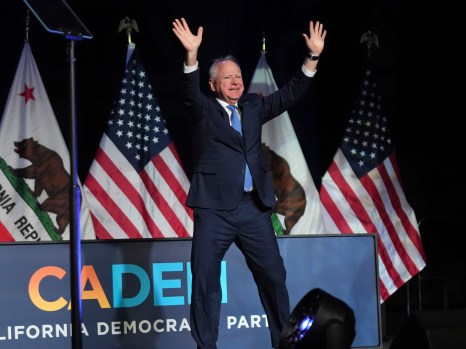
In response to the unfolding scandal, Minnesota Governor Tim Walz has faced criticism for downplaying the situation, labeling Trump’s remarks as “demonizing the Somali community.” A group representing 480 Minnesota Department of Human Services employees has come forward, claiming they were retaliated against for reporting fraud, indicating a serious internal conflict within the state government.
The urgency of this situation cannot be overstated. With ongoing investigations, the ramifications of this fraud scheme could reshape policies surrounding social services and immigrant status in Minnesota and beyond. As authorities continue to unveil the extent of this scheme, the community awaits accountability and justice.
What happens next? As law enforcement probes deepen, more individuals may face charges, and state officials are under pressure to address systemic failures that allowed such extensive fraud to occur. The public is left wondering how many more cases are yet to be uncovered.
This developing story highlights not only the financial theft but also the broader implications for immigrant communities in the United States as discussions about fraud and accountability take center stage. Stay tuned for updates as this situation evolves.