UPDATE: In a crucial development, the Department of Homeland Security has confirmed that federal law enforcement agents, including those from Immigration and Customs Enforcement (ICE) and Customs and Border Protection (CBP), will receive their paychecks during the ongoing government shutdown. This decision comes as many other federal employees face significant financial uncertainty, with some going without pay for nearly four weeks.
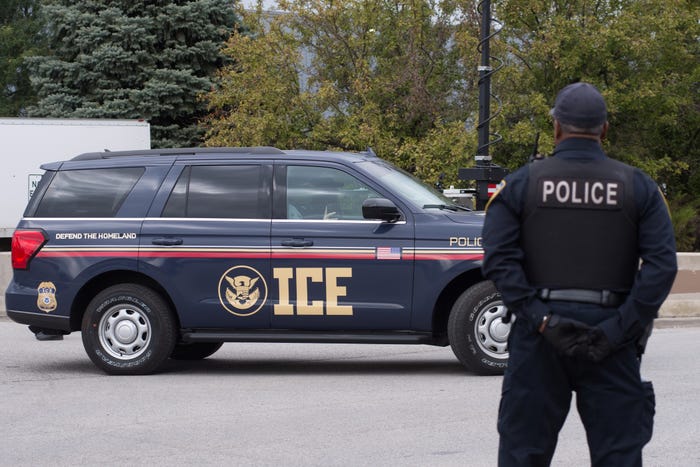
The funding for these “super checks” will be drawn from the One Big Beautiful Bill Act, ensuring that over 70,000 law enforcement personnel will receive their payments by October 22, 2023. This includes agents from ICE, CBP, the Secret Service, and the Transportation Security Administration (TSA). A spokesperson from DHS confirmed that more than 19,626 of the 21,028 total ICE employees are expected to continue working, either with or without pay, while approximately 63,243 of CBP’s 67,792 workers will remain on duty.
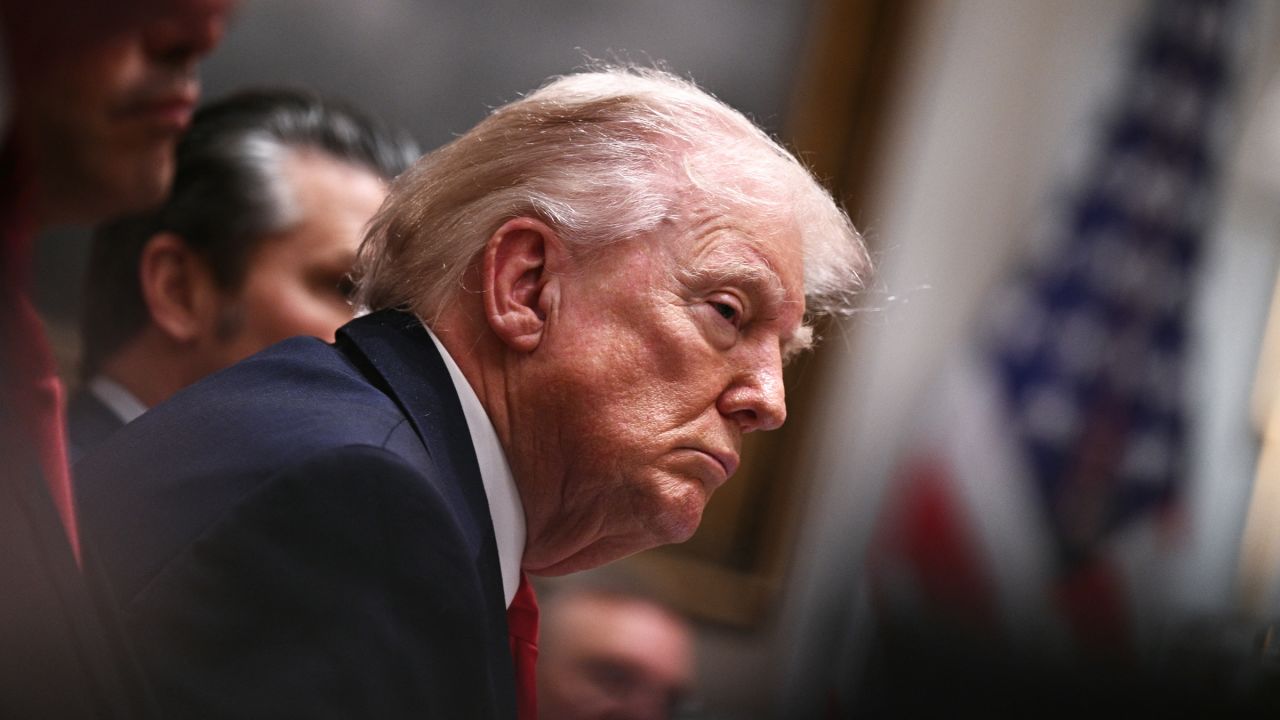
DHS Secretary Kristi Noem stated, “President Trump and I will always stand by law enforcement, and today we are keeping our promise to support them during the Democrats’ shutdown.” She expressed gratitude for the dedication of law enforcement workers during these challenging times.
The “super check” will compensate eligible employees for the current pay cycle, including any overtime and the initial days of the shutdown, adding to the urgency of this announcement. This financial assistance comes as many federal employees, including those at the Social Security Administration and the Centers for Disease Control, are not receiving paychecks.
While military personnel also began receiving paychecks in mid-October, the decision to continue funding federal law enforcement has drawn scrutiny. Critics argue that the use of these funds resembles using a “credit card” that won’t expire until 2029, as articulated by Bobby Kogan from the Center for American Progress.
As of now, hundreds of thousands of federal workers remain either furloughed or working without pay, leading to widespread anxiety about financial security. “Gas stations don’t take IOUs,” said Johnny Jones, a TSA worker, highlighting the dire situation many face.
Without an agreement in the Senate, the government shutdown could drag on, affecting services at national parks, airports, and the post office. The potential for prolonged disruption raises concerns for the American public, reminiscent of the previous shutdown in 2018, which lasted for 35 days.
With the situation evolving rapidly, all eyes are on Congress as they work to resolve the impasse. Stay tuned for further updates on this developing story.