UPDATE: A groundbreaking review has just been released, addressing critical gaps in the preservation of historical structures. Researchers from Çanakkale Onsekiz Mart University in Türkiye have unveiled essential methods for analyzing the materials that form our cultural heritage, ensuring their survival for future generations.
This urgent study, titled “Materials Characterization of Historical Structures: A Review“, highlights the importance of understanding building materials—such as natural stones and mortars—in the restoration of historical sites. With the integrity of these structures at stake, the research team emphasizes that effective preservation hinges on selecting the right characterization methods and materials.
The review systematically evaluates various analytical techniques critical for characterizing historical building materials. It identifies four core categories of methods:
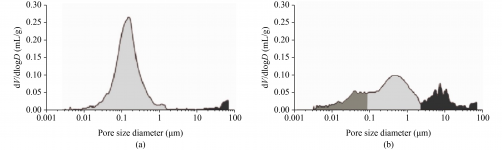
1. **Physical and Thermal Property Analysis:** Techniques such as Mercury Intrusion Porosimetry (MIP) are crucial for determining porosity and water permeability. For instance, MIP has revealed significant pore size distributions in mortars from Amaiur Castle.
2. **Chemical Property Analysis:** Advanced methods like X-ray Diffraction (XRD) and X-ray Fluorescence (XRF) are employed to assess mineral composition. Notably, high concentrations of lead and zinc have been detected in the black crusts of Seville Cathedral, raising concerns about material degradation.
3. **Mechanical Property Analysis:** Non-destructive methods, including Ultrasonic Pulse Velocity (UPV) and Schmidt hammer tests, allow researchers to evaluate structural integrity without causing damage, a crucial factor when working with ancient architecture.
4. **Visualization Techniques:** Techniques such as Scanning Electron Microscopy (SEM) and Infrared Thermography (IRT) provide insights into material morphology and help identify hidden defects, exemplified by the detection of invisible cracks in the Malatya Taşhoran Church.
The research also reviews benchmarks of significant historical structures across Portugal, Spain, and Egypt, validating the efficacy of these techniques. By combining multiple methods, researchers can achieve more reliable results, paving the way for scientifically grounded restoration projects.
The implications of this study are profound: by enhancing our understanding of material properties, conservationists can make informed decisions that reduce costs and improve the engineering and architectural analysis of these invaluable structures.
The paper, authored by Mertcan Demirel, Alican Topsakal, and Muhammet Gökhan Altun, is available for full review at this link. As cultural heritage sites face increasing threats from environmental factors and human activity, this research arrives at a pivotal moment for the preservation community.
Stay tuned for further updates on how these findings will influence restoration practices worldwide and the future of cultural heritage preservation.