UPDATE: A new video has just been released, highlighting urgent photography techniques that could dramatically improve your images. This compelling guide from renowned professionals reveals 11 critical mistakes photographers make and how to avoid them—essential viewing for anyone looking to enhance their photography skills immediately.
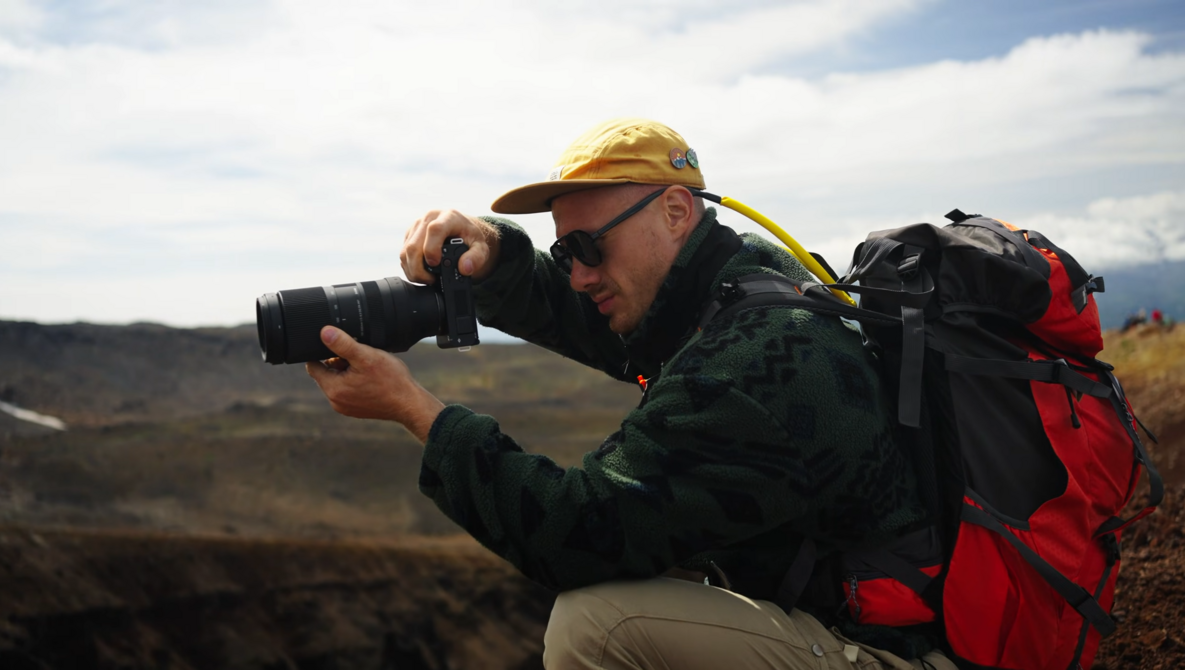
The video underscores the concept of “tunnel vision,” particularly for those who rely heavily on long lenses. In a stunning example from Denali, photographers missed capturing the full narrative of their surroundings by sticking to tight frames with 400mm and 600mm lenses. A simple adjustment to a shorter focal length enabled them to include the animals in their habitat, creating memorable images that resonate with viewers.
Shannon emphasizes that if you continuously believe “closer is better,” you risk losing the essence of the scene through excessive cropping. He urges photographers to shoot in a way that facilitates easier editing later, arguing that software should enhance your images, not fabricate them. Key decisions before hitting the shutter—like protecting highlights, choosing cleaner backgrounds, and allowing room for cropping—can save hours in post-production.
Nick Page, another industry expert featured in the video, warns against the mental version of tunnel vision: arriving with a single planned shot and ignoring the evolving light and weather conditions. This mindset leads to missed opportunities and a memory card filled with “almost” captures rather than stunning photographs.
The video introduces two game-changing concepts that challenge conventional thinking about photography trips. First, it asserts that light often trumps location, a tough pill to swallow for those who view iconic sites as guaranteed successes. Second, it cautions against forcing shots during uncooperative conditions, as stubbornness can result in flat light and lackluster images.
In a bold challenge to photographers, the video advises skipping the safe shot and embracing riskier options that could yield unique results. One extreme example involves a camera housed underwater on a tripod for days, aiming for a single, extraordinary shot—an endeavor few would dare to attempt.
The technical segment of the video reveals how many photographers complicate their processes unnecessarily. Techniques such as stacking, bracketing, and panoramas are discussed without the prerequisite of a tripod, as long as the photographer can shoot quickly enough to align frames. Focus stacking is highlighted as a preferable method to stopping down to f/22, which can soften images due to diffraction. Handheld exposure brackets are also viable for fast shutter speeds that freeze motion.
Additionally, the video connects stitching techniques to wildlife photography, not just landscapes, broadening the applicability of these skills. Focus modes are presented as a deliberate choice rather than a default setting, emphasizing the importance of switching to manual focus in chaotic environments where automatic settings may struggle.
For photographers eager to elevate their craft, the full breakdown from Shannon in this video is essential viewing. The insights shared could transform the way you approach photography, making it vital for both amateurs and professionals alike.
Stay tuned for more photography tips and insights as we continue to cover the latest developments in visual storytelling.