UPDATE: The United States is facing a critical moment in the space race as new developments signal that China is rapidly advancing its space capabilities. With the stakes higher than ever, experts warn that a lack of U.S. strategy could lead to a significant shift in global power dynamics.
During Space Week (October 4-10, 2023), the federal government’s shutdown highlighted the absence of a cohesive American space strategy. Meanwhile, China has been making bold strides, including the deployment of an AI “supercomputing” satellite constellation and plans, alongside Russia, to establish a Lunar nuclear power plant to support their International Lunar Research Station (ILRS). This clear vision from Beijing starkly contrasts the U.S.’s current state of indecision.
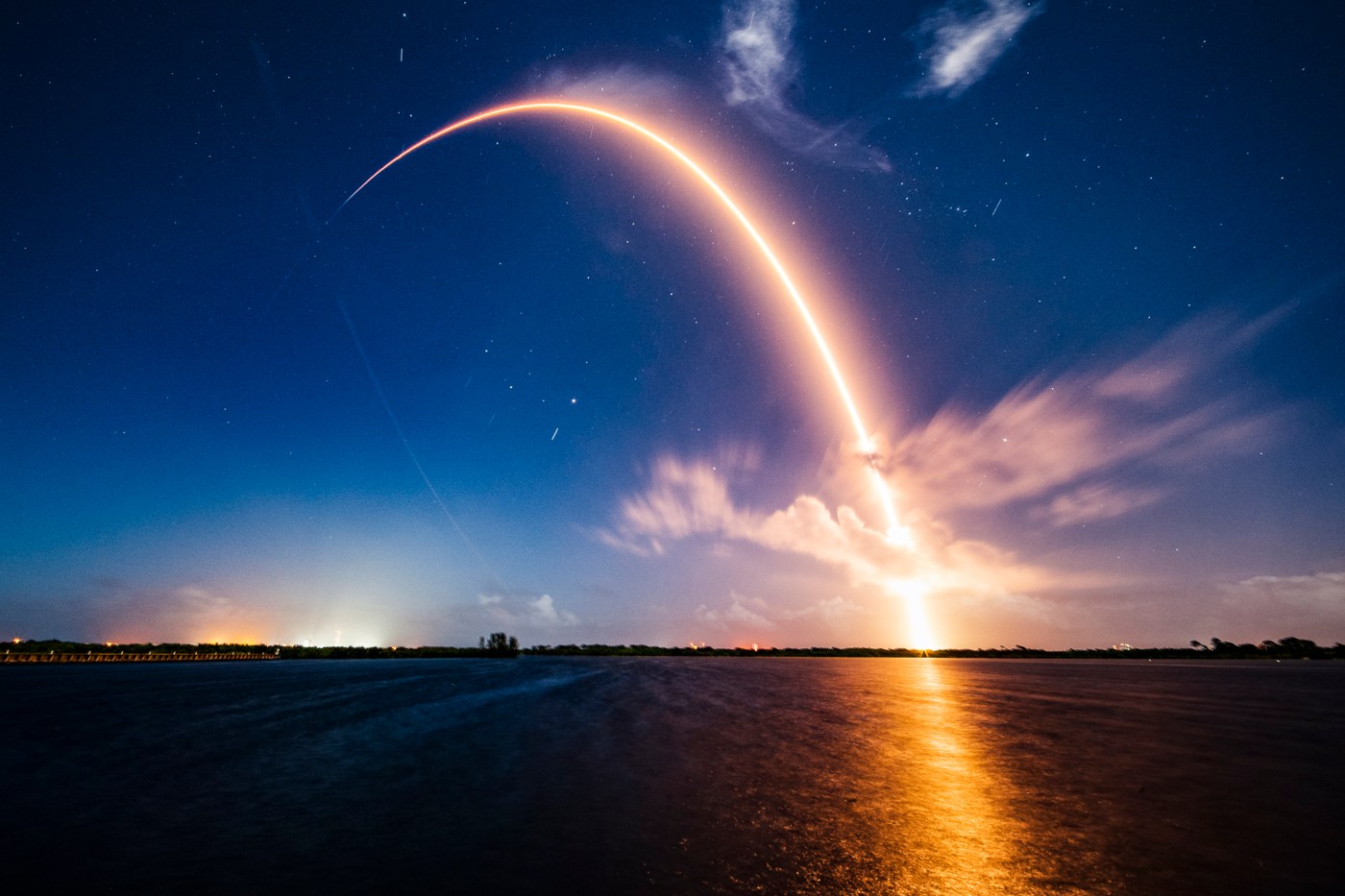
Dr. Namrata Goswami, a leading analyst on China’s space program, indicates that the Chinese Communist Party’s prioritization of reusable rockets and lunar industrialization could allow China to outpace the U.S. in space leadership. Notably, SpaceX, led by billionaire entrepreneur Elon Musk, is currently outlaunching every other country and private entity in the space economy. However, analysts caution that this advantage may be fleeting as China continues to ramp up its efforts.
In just the past five years, China has successfully demonstrated in-space refueling, tested advanced weaponry, and even landed and returned samples from the far side of the moon—a feat yet to be achieved by the U.S. The implications of allowing China to reach its goals over the next three decades could be dire. Potential crisis scenarios loom large, including the risk of adversaries disabling U.S. satellites or launching anti-satellite weapons.
“What happens if a Chinese company sabotages a U.S. satellite network?” asks Richard M. Harrison, Vice President of the American Foreign Policy Council. “The U.S. currently lacks a credible crisis response plan for such scenarios.”
Additionally, China’s ambition extends to energy, as they invest in space-based solar power systems that could generate significant economic growth and energy efficiency for their planned $10 trillion Earth-Moon economic zone. The competition for resources on the moon, particularly Helium-3 and water ice, further intensifies the urgency for a U.S. strategy. Whoever secures these resources first will dominate the logistics hub of the solar system.
With commercial space travel on the rise, the need for crisis preparedness is more pressing than ever. Current agencies, including NASA and the Space Force, lack the authority and infrastructure to conduct necessary rescue operations for commercial space endeavors.
President Trump’s recent executive order aimed at streamlining launch licensing is a step in the right direction, yet it falls short of establishing a comprehensive strategy. The U.S. must prioritize investment in space or risk losing its global standing, economic prosperity, and control over the international commons.
The next Sputnik moment is imminent, and the question remains: will America be caught off guard, or will it leverage innovation to reclaim its leadership in space? The clock is ticking, and the world is watching.
Stay tuned for updates as this urgent situation develops.