UPDATE: An urgent situation is unfolding as the United States has initiated a military operation in Venezuela, raising alarm bells over the potential for increased global conflict. Just hours ago, President Donald Trump ordered an invasion, citing the country’s oil reserves as a primary motive, a move that could further destabilize the region and escalate tensions worldwide.
The operation began early this morning, with Trump declaring the intent to “steal” Venezuela’s vital oil resources. This controversial action not only challenges Venezuela’s sovereignty but also highlights a broader issue: the direct link between oil demand and international conflict. Analysts argue that a significant reduction in oil consumption, particularly through the adoption of electric vehicles (EVs), could mitigate such conflicts.
As the situation develops, it is critical to understand the implications. The US has a long history of military interventions driven by oil interests, and today’s actions are reminiscent of past conflicts where oil was a central factor. The ongoing war in Ukraine, influenced by Europe’s reliance on Russian gas and oil, underscores how global energy dependencies can lead to military aggression.
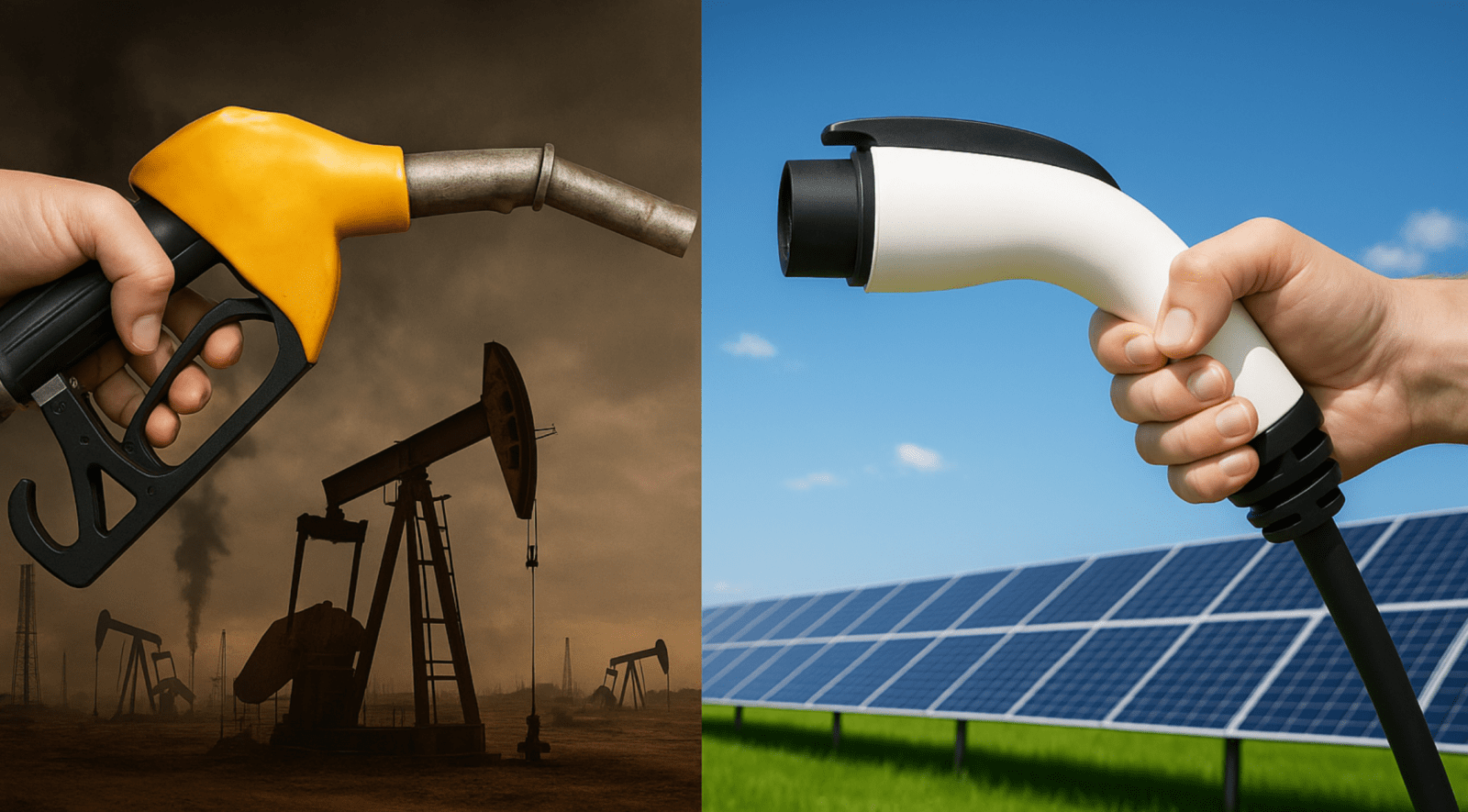
With oil being a major driver of geopolitical instability, the shift towards electric vehicles presents a viable solution. EVs can significantly decrease the demand for oil, which is predominantly used in transportation. A substantial portion of oil is consumed by light-duty vehicles, making the transition to electric alternatives crucial for reducing overall consumption.
According to recent data, US oil consumption peaked in 2019, but has since declined significantly, partly due to the rise of electric vehicles. This trend is mirrored globally, with Norway and China also nearing their peak oil demand. Experts predict that by the end of this decade, the entire planet will witness a decline in oil consumption, driven largely by technological advancements and increased energy efficiency.
The urgency for a rapid transition away from oil is underscored by the potential health and environmental benefits. Reducing reliance on fossil fuels not only helps combat climate change but also diminishes the power of resource-driven conflicts. EVs, which can be powered by renewable energy sources like solar and wind, offer countries the opportunity for greater energy independence and security.
As governments and policymakers respond to today’s military actions, the conversation around energy independence and sustainable transportation is more important than ever. The ongoing conflict emphasizes the need for nations to accelerate their electrification goals to prevent further unnecessary violence and stabilize global energy markets.
In light of these developments, citizens are encouraged to consider electric vehicle options as a personal contribution to reducing oil dependency. Utilizing home solar panels to charge EVs is one way individuals can take action against the backdrop of global conflict. Resources like EnergySage provide tools for finding reliable solar installers, ensuring that the transition to renewable energy is both cost-effective and accessible.
As the situation in Venezuela continues to unfold, one thing is clear: the push for electric vehicles is not just an environmental imperative but a necessary step towards reducing global tensions linked to oil supply and demand. The time to act is now.