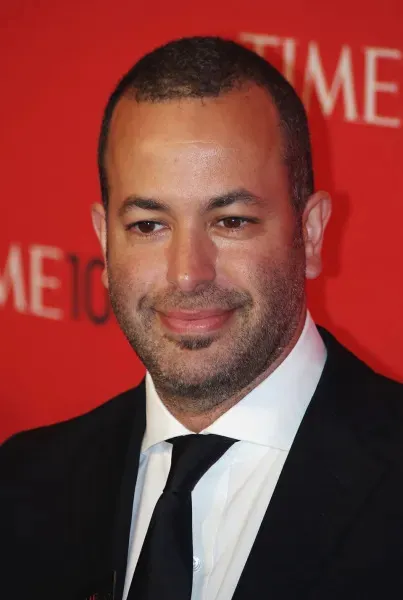
BREAKING: Virologist Nathan Wolfe, a former professor at Stanford University, is set to end his visiting appointment in the bioengineering department effective Monday, following troubling revelations regarding his ties to deceased financier and convicted sex offender Jeffrey Epstein. This decision comes amid a growing controversy surrounding Wolfe’s past correspondence with Epstein, as reported by The Daily.
The investigation uncovered that Wolfe had invited Epstein to meet “a couple of hottie interns,” raising serious ethical questions about his professional conduct. Additionally, Wolfe sought Epstein’s support as a donor for his research on sexual behavior, which aimed to create a “female viagra” based on what Wolfe described as their “horny virus hypothesis.”
In response to the report, Wolfe issued a statement denying any wrongdoing, asserting, “I never witnessed or participated in any misconduct or inappropriate behavior.” He expressed regret over his association with Epstein, emphasizing the importance of maintaining professional integrity.
Wolfe, who previously held the title of Lorey I. Lokey Visiting Professor of Human Biology at Stanford, has seen his LinkedIn profile updated to reflect his role as a “Visiting Scholar” from 2023 until February 2026. However, a university spokesperson confirmed that Wolfe’s appointment in the bioengineering department was only for one year and will not be renewed.
This development raises critical questions about the ongoing impact of Wolfe’s research and relationships within the academic community. As details continue to unfold, the implications for Stanford and its reputation may be significant.
Authorities at Stanford University have not provided further comments on Wolfe’s future affiliations. As this story is still developing, observers are encouraged to stay tuned for further updates on the fallout from these revelations and their implications for academic standards and ethics.
Keep an eye on this developing story, as the fallout from Wolfe’s association with Epstein continues to reverberate through the academic community.