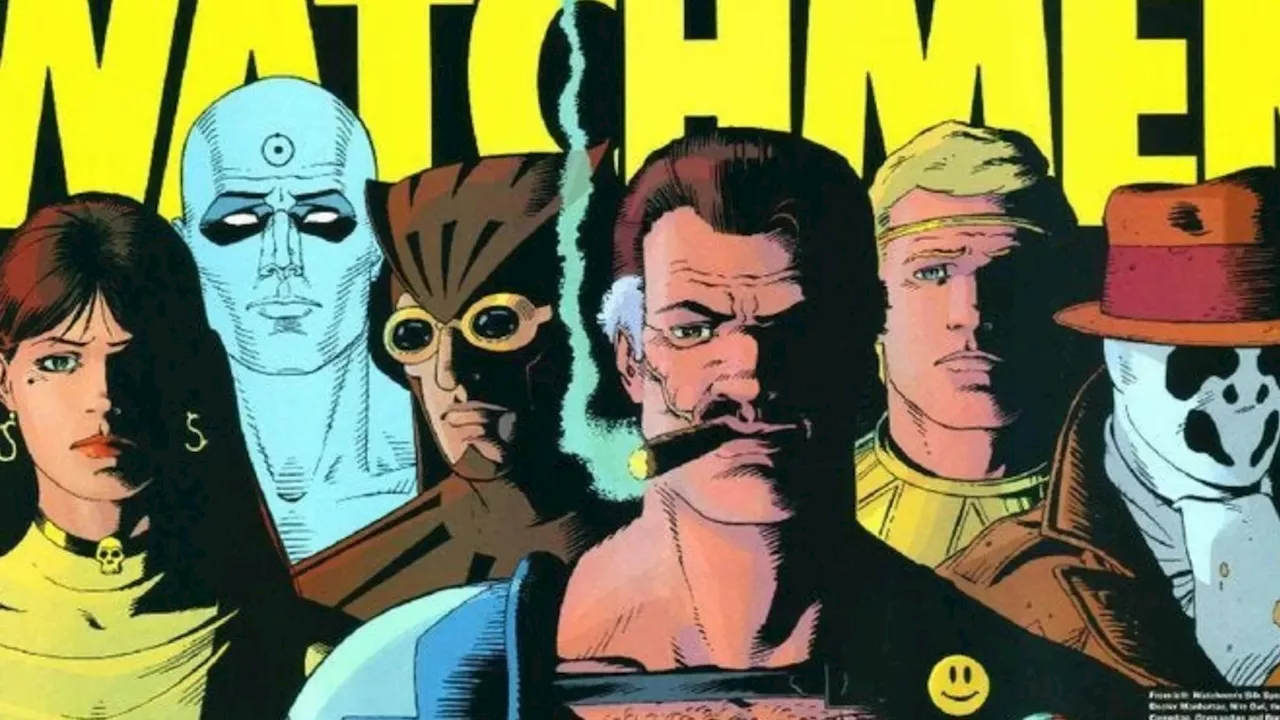
UPDATE: As the iconic comic Watchmen celebrates its 40th anniversary, critics and fans are urgently reevaluating its legacy and relevance in today’s rapidly changing cultural landscape. Originally serialized between 1986 and 1987 by writer Alan Moore, artist Dave Gibbons, and colorist John Higgins, Watchmen’s narrative has long been hailed as a revolutionary deconstruction of the superhero genre.
New reports confirm that while Watchmen remains a masterpiece of storytelling, its themes and implications are being scrutinized in light of contemporary issues. Critics argue that the comic’s dense narrative, which served as a commentary on the socio-political climate of the 1980s, may not resonate with today’s audiences. The looming threats of the Cold War, government distrust, and shifting moral norms framed Watchmen’s original impact, but is that context being misinterpreted now?
As discussions intensify, many creators and readers point out that the influence of Watchmen has led to a proliferation of dark and gritty narratives in comics, often missing the nuanced critique at its core. The comic’s commercial success has spawned numerous imitators, resulting in heroes with morally ambiguous traits becoming the industry standard. Critics warn that many of these stories fail to capture the depth and context that made Watchmen groundbreaking.
The anniversary prompts a critical look at whether the comic’s legacy is being inflated or misused. The societal shifts since the late 1980s—including significant changes in cultural anxieties and hero depictions—raise questions about the relevance of Watchmen’s themes today. As the world grapples with new challenges, such as climate change and social justice movements, some argue that clinging to the Watchmen standard may limit the exploration of contemporary issues in comics.
With the anniversary at the forefront, industry discussions are heating up around the importance of evolving narratives that reflect modern realities. As one critic noted, “It’s like holding onto an analog landline telephone as the pinnacle of communication technology.”
The reexamination of Watchmen is not just an academic exercise; it reflects a broader desire for comics to engage with current societal themes. As the comic book industry continues to evolve, the focus shifts from replicating the shock value of Watchmen to exploring the complexities of heroism in today’s world.
As Watchmen’s anniversary unfolds, the comic community is encouraged to reflect on its lasting impact while also embracing new voices and stories that push the boundaries of the genre. What happens next in the world of comics will likely be shaped by this critical reassessment, making it a pivotal moment for creators and fans alike.
Stay tuned for further updates as this story develops.