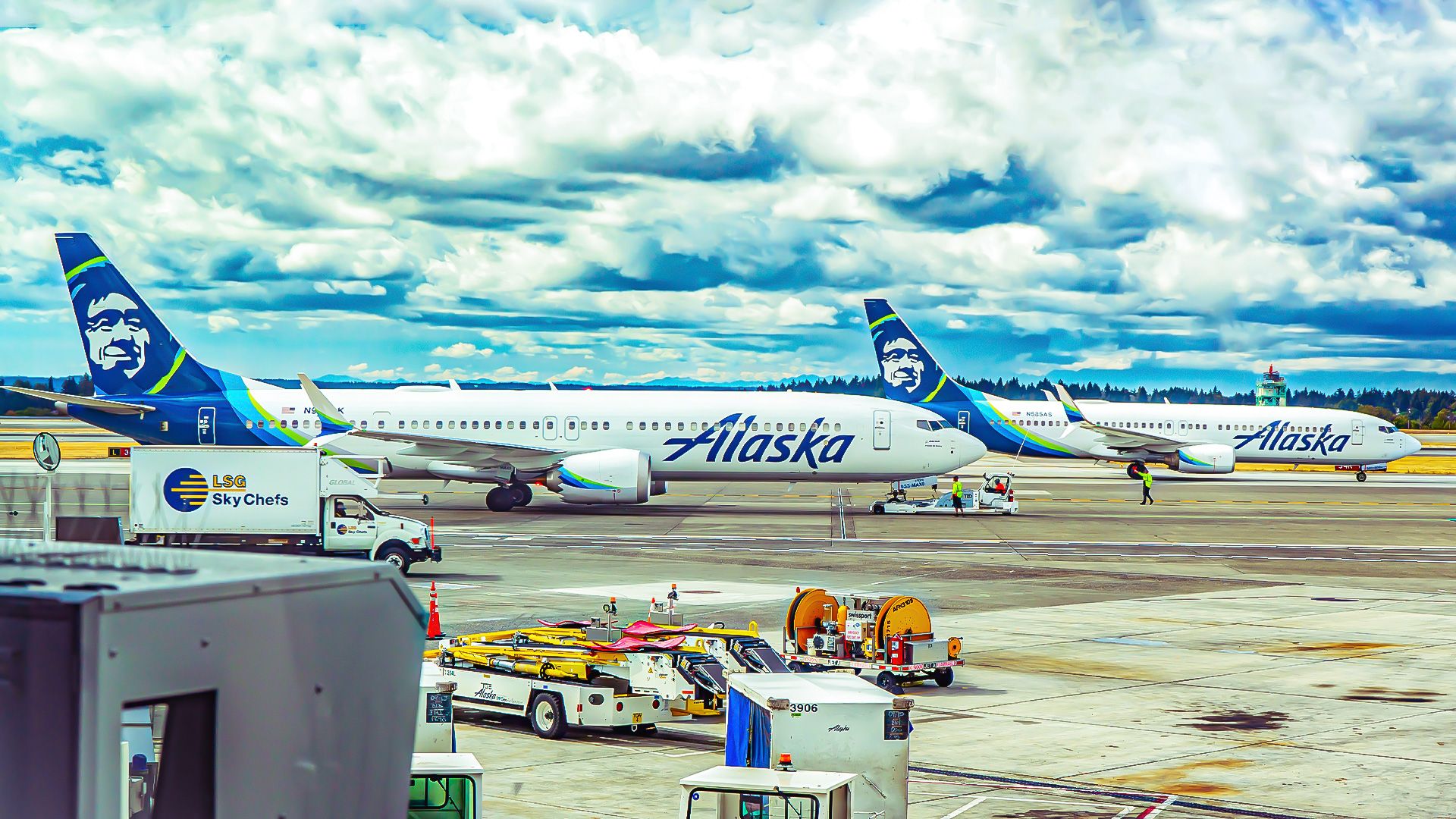
Alaska Airlines has recently acquired Hawaiian Airlines, creating a complex situation for both carriers as they navigate brand integration and fleet management. While Alaska Airlines has committed to preserving Hawaiian Airlines as a distinct subsidiary, the challenge lies in operating two different aircraft types under one air operating certificate. Alaska primarily operates the Boeing 737 series, while Hawaiian Airlines utilizes a diverse fleet that includes the Airbus A321neo, A330, 717, and 787.
Integrating these fleets presents a unique challenge. Alaska Airlines plans to refurbish the existing A330s within Hawaiian’s fleet and transfer the Boeing 787s to its own operations. As part of this transition, questions arise regarding the future of Hawaiian’s smaller fleet of 18 A321neos. Given Alaska’s strong commitment to the Boeing 737, there is speculation about whether the airline will repaint some of its 737s in Hawaiian colors to take over the routes currently served by the A321neo.
Alaska’s Fleet Strategy Amid Merger
Alaska Airlines has maintained an all-Boeing fleet since retiring its McDonnell Douglas MD-83s in 2008. The current fleet consists of various Boeing 737 models, including the 737-900ER and the newer 737 MAX series, which Alaska has been gradually incorporating. This shift follows the acquisition of Virgin America in 2018, which introduced Airbus A320 family aircraft to its operations.
Alaska’s decision to phase out the Airbus fleet, including the A319-100s and A321neos, stemmed from the high costs associated with maintaining these aircraft types. The A321neo’s small fleet size makes it less economically viable for Alaska, especially as the airline focuses on expanding its Boeing 737 operations.
Alaska Airlines has ambitious plans for its long-haul operations, particularly from its hub at Seattle Tacoma International Airport, aiming to compete against major carriers such as Delta Air Lines. The merger also brings a significant increase in orders for Boeing 787-9 and 787-10 aircraft, further solidifying Alaska’s focus on long-haul routes.
Future of Hawaiian’s A321neo Fleet
The question of Hawaiian’s A321neo fleet remains crucial, especially as it operates lower-demand routes to the mainland United States. Alaska Airlines has expressed that the small size of Hawaiian’s A321neo fleet does not align with its overall strategy favoring the Boeing 737, which is more economical for high-volume operations.
Comments from Alaska Airlines’ CFO, Shane Tackett, during the Goldman Sachs Industrials Conference in December 2025, emphasized this cautious approach. Tackett noted that unless there is potential to double the size of the A321neo fleet, Alaska would likely consolidate its narrow-body operations to a single aircraft type. The lack of commonality between the engines of the A321neo and the 737 MAX further complicates the situation, as operating different aircraft types incurs significant costs.
With the 717s used for interisland operations also nearing the end of their operational life, Alaska is considering replacements that could include Boeing 737s. This move would not only streamline operations but could also result in painting the aircraft in Hawaiian livery, enhancing brand integration.
While the A321neo has unique capabilities, including its extended range due to additional fuel tanks, Alaska Airlines remains focused on a cost-effective and simplified fleet structure. The continued demand for the A321neo in the market complicates the potential for Alaska to expand its fleet.
In summary, the merger between Alaska Airlines and Hawaiian Airlines has introduced a range of operational challenges and strategic decisions. As the airline navigates these complexities, the future of Hawaiian’s A321neo fleet and the possible introduction of Boeing 737s for interisland flights will be pivotal in shaping the combined carrier’s identity.