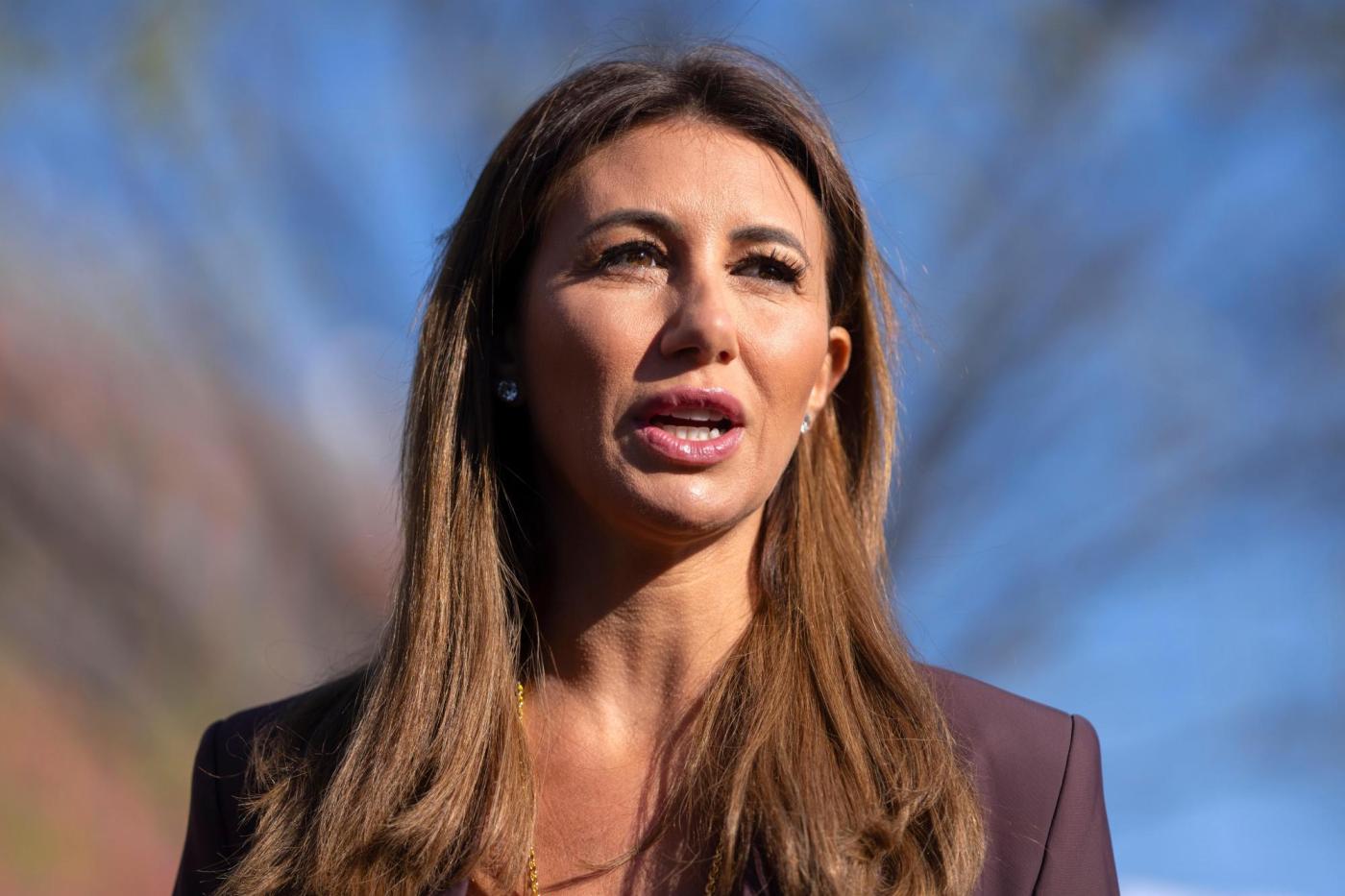
Alina Habba, the former personal lawyer for President Donald Trump, has stepped down from her position as the U.S. Attorney for New Jersey. This decision follows a ruling by the 3rd U.S. Circuit Court of Appeals, which determined that her appointment did not comply with federal law, as it lacked the necessary U.S. Senate confirmation.
In a statement released on Monday, Habba expressed her commitment to the office, saying, “As a result of the Third Circuit’s ruling, and to protect the stability and integrity of the office which I love, I have decided to step down in my role as the U.S. Attorney for the District of New Jersey.” She emphasized that her decision should not be interpreted as a retreat, asserting, “This decision will not weaken the Justice Department and it will not weaken me.”
Details of the Court Ruling
The August 2023 ruling by a lower court judge had previously found that the method by which the Trump administration maintained Habba’s role violated federal procedures. Following the expiration of her temporary term in July, a panel of federal judges appointed one of her subordinates to fill the role. Habba’s resignation comes amid ongoing legal challenges related to the appointments of several other Trump-era prosecutors.
In response to her resignation, Pam Bondi, the Attorney General, expressed sadness over the situation, attributing the difficulties in Habba’s role to “politically minded judges.” Bondi criticized the ruling, stating that it made it “untenable for her to effectively run her office, with politicized judges pausing trials designed to bring violent criminals to justice.” She indicated that the Department of Justice plans to pursue further review of the decision, expressing confidence that it would ultimately be overturned.
Implications for the Justice Department
Habba, who was appointed in March 2023, will continue to serve the Department of Justice as the Senior Adviser to the Attorney General for U.S. Attorneys. Her departure adds to the growing list of challenges faced by Trump’s appointees in the legal system. The Department of Justice is also currently appealing a ruling that dismissed criminal cases against former FBI Director James Comey and New York Attorney General Letitia James on similar grounds concerning the lawful appointment of prosecutors.
Bondi and Deputy Attorney General Todd Blanche criticized the judiciary in a joint statement, claiming that judges are engaging in an “unconscionable campaign of bias and hostility” against those appointed to prosecute cases.
As legal discussions continue, the implications of Habba’s resignation and the court ruling extend beyond New Jersey, reflecting broader tensions surrounding judicial appointments and executive authority. The situation remains fluid as the Department of Justice prepares to address the ruling’s consequences on the administration’s prosecutorial power.