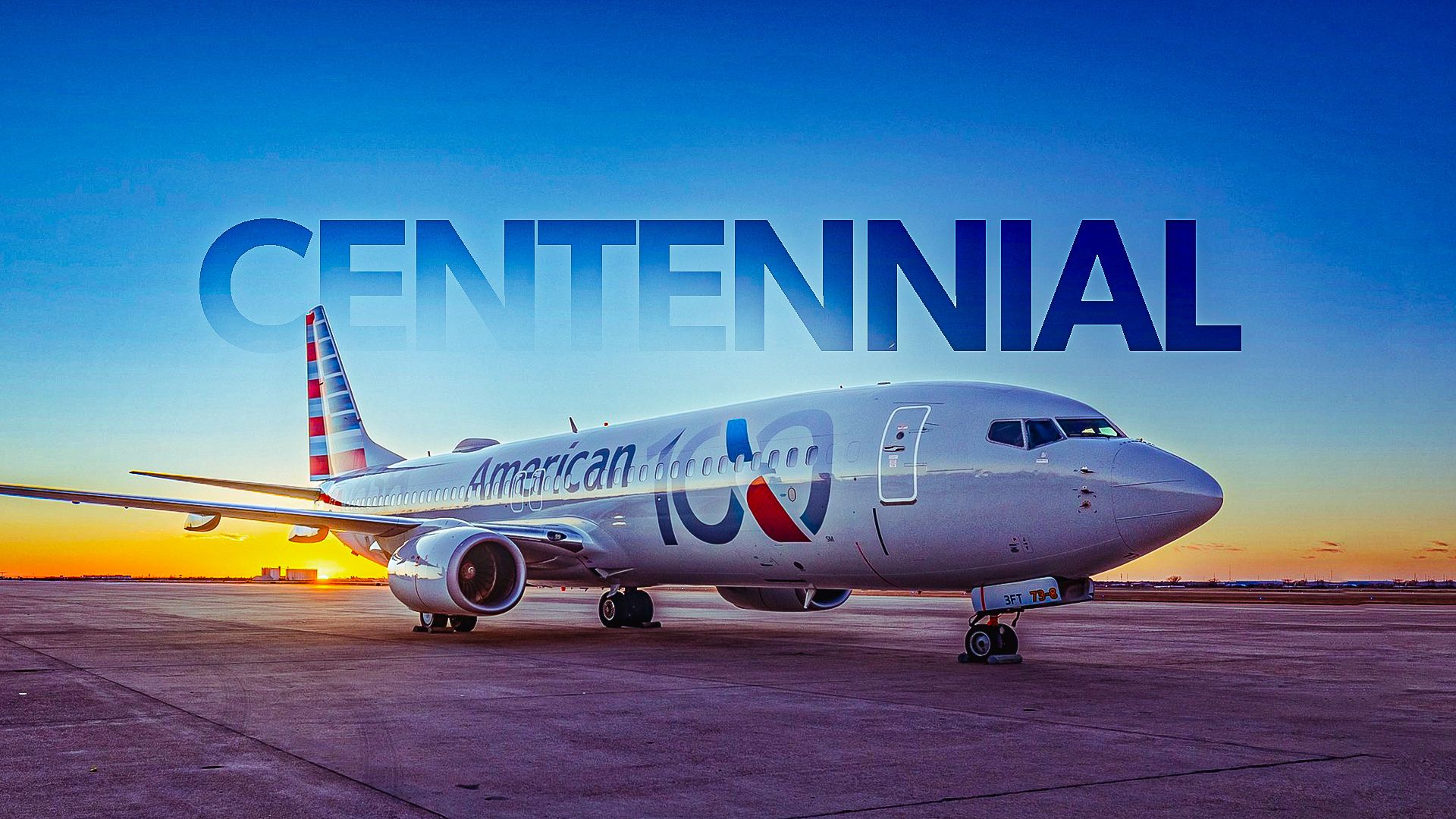
American Airlines has celebrated nearly 100 years of operations, establishing itself as a dominant force in the aviation industry. Headquartered in Fort Worth, Texas, it ranks among the world’s largest airlines based on various metrics, such as passenger numbers and flights operated. Over the decades, the airline has undergone significant transformations and expansions, evolving from a small mail carrier to a key player in global air travel, particularly between the United States and Latin America.
The airline’s origins can be traced back to April 15, 1926, when Charles A. Lindbergh, then chief pilot of the Robertson Aircraft Corporation, flew postal routes between Chicago and St. Louis. This foundational service set the stage for American Airlines, which would later emerge from a consolidation of smaller carriers into a more structured and robust entity under the guidance of airline pioneer C.R. Smith during the 1930s. By standardizing operations and adopting aircraft like the Douglas DC-3, American Airlines established itself as a reliable option for business travelers, a reputation it would build upon for decades.
From Early Innovations to Jet Age Expansion
The 1940s and 1950s marked a pivotal period for American Airlines as it transitioned from a fledgling enterprise to a major industry player. In 1944, the airline launched what it claimed to be the world’s first scheduled air cargo service from LaGuardia Airport in New York, further diversifying its offerings. Following the end of World War II, American Airlines expanded its international reach, initiating transatlantic flights through its subsidiary, American Overseas Airlines, in 1945.
The airline’s growth was propelled by significant investments in infrastructure, including the establishment of a maintenance base in Tulsa, Oklahoma, in 1946. The introduction of the Boeing 707 in 1959 marked the airline’s full entry into the jet age, allowing for faster and more efficient transcontinental services. The 1960s and 1970s saw American Airlines further solidify its position in the market, with initiatives such as hiring David Harris, recognized as one of the first black commercial pilots in the United States, and launching the AAdvantage program in 1981, which became a cornerstone for customer loyalty.
The Impact of Deregulation and Mergers
The landscape of American Airlines drastically changed following the deregulation of the airline industry in 1978. The carrier strategically focused on its hub-and-spoke model, particularly at Dallas/Fort Worth International Airport (DFW), enhancing its operational efficiency and market presence. The introduction of dynamic pricing strategies through the Sabre reservations system allowed the airline to optimize seat inventory and respond to market demands effectively.
Despite its growth, American Airlines faced challenges, including rising fuel costs and increased competition from low-cost carriers, leading to its bankruptcy filing in 2011. The subsequent merger with US Airways in 2013 created the American Airlines Group, a consolidated entity that now dominates the U.S. aviation landscape.
As American Airlines approaches its centennial in 2026, it continues to adapt to the evolving industry environment. The airline has made significant strides in enhancing passenger experience, including plans to roll out free high-speed Wi-Fi for AAdvantage members starting in January 2026, and expanding its network with additional daily departures from hubs like O’Hare International Airport (ORD).
American Airlines’ journey from its modest beginnings to its current status as a leading airline is characterized by innovation, resilience, and a commitment to customer service. The legacy it has built over the past century reflects not only its adaptability in the face of challenges but also its role as a vital connector in global air travel. The airline’s focus on premium products and loyalty programs positions it well for the future as it continues to navigate the competitive landscape of the aviation industry.