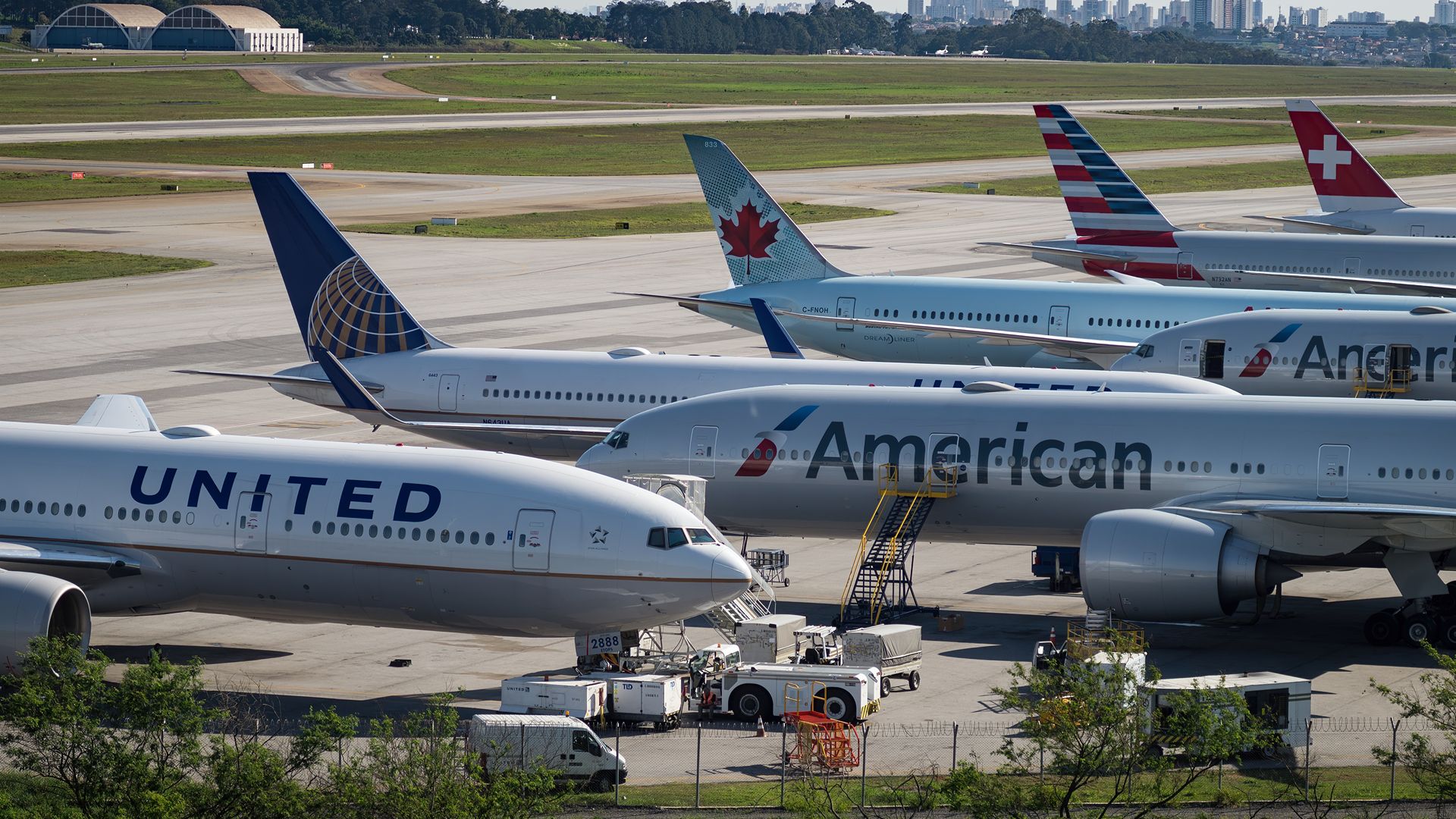
This week, American Airlines is reportedly considering an investment in Brazilian carrier Azul Linhas Aereas following United Airlines’ recent approval to bolster its stake in the airline. United has received clearance from Brazilian regulators to invest $100 million as part of Azul’s Chapter 11 restructuring process, highlighting a significant shift in the competitive landscape of the airline industry.
Founded in 2008 by David Neeleman, who has a history of establishing successful airlines including JetBlue and WestJet, Azul has become the third-largest domestic airline and the second-largest international carrier in Brazil. The airline has carved out a niche by connecting smaller cities, aiming to stimulate demand through low fares, a strategy that has earned it a loyal customer base despite current financial challenges.
Investment Plans and Financial Context
According to reports, American Airlines and United previously agreed to invest up to $300 million in Azul. This collaboration comes at a critical time, as Azul faces significant financial hurdles. The airline declared Chapter 11 bankruptcy in May 2025, a move intended to facilitate a comprehensive restructuring while maintaining operational continuity.
United, which has been a minority investor in Azul since 2015, enjoys a longstanding partnership with the airline that includes a codeshare agreement and reciprocal frequent flyer benefits. American Airlines, on the other hand, has a complex relationship with Azul, having previously partnered with GOL, another Brazilian airline that was once in merger discussions with Azul. This history adds layers to American’s potential investment strategy.
For Azul, securing funding is crucial as it aims to raise equity to enhance liquidity and significantly reduce its debt load, which exceeds $2 billion. The airline plans to address this through a combination of investor funding and a public equity offering valued at approximately $650 million.
The Importance of the US-Brazil Connection
The US remains the largest aircraft market for Brazilian manufacturer Embraer, with nearly 45% of its commercial aircraft sold in the US. This strong market presence underscores the importance of connections between US airlines and Brazilian carriers. A stronger foothold in Brazil is essential for US airlines, particularly in light of Delta Air Lines’ joint venture with LATAM, the largest airline in Brazil.
Azul’s unique business model has allowed it to thrive in a competitive landscape, focusing on routes with lower demand and minimal competition. By avoiding major urban centers like São Paulo, Azul has concentrated its efforts on cities such as Belo Horizonte, Campinas, and Recife. Despite this sound strategy, the airline has struggled with challenges stemming from volatile currency exchange rates, the financial impact of the COVID-19 pandemic, and rising operating costs.
As Azul continues its restructuring efforts, it is expected to exit Chapter 11 by February 2026, emerging with a more streamlined balance sheet. This anticipated turnaround could position the airline for renewed growth and stability in the coming years, particularly with potential support from American Airlines and United Airlines.
With the aviation market in Brazil poised for recovery, the investments from these US carriers may play a pivotal role in shaping the future of Azul and the broader airline industry in the region.