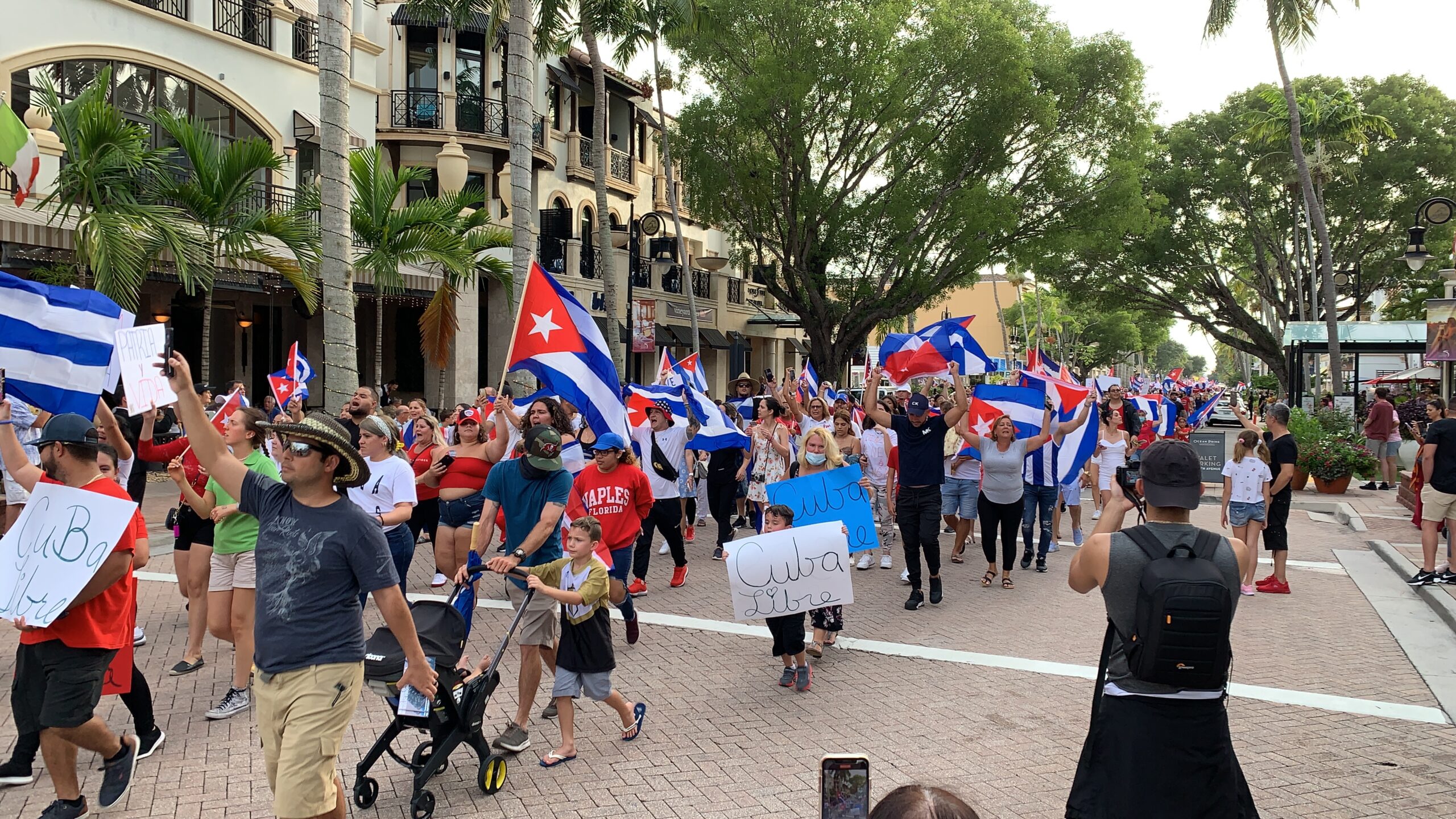
Amnesty International has urged the Cuban government to immediately release seven political prisoners and to end the practice of political detentions. The rights organization highlighted concerns over the lack of transparency in the country’s political prisoner release process, describing it as opaque and reliant on arbitrary conditions.
In a statement, Ana Piquer, Amnesty’s Regional Director for the Americas, emphasized that many of the prisoners were detained due to their participation in protests on July 11, 2021. These protests marked the largest civil unrest in Cuba since the 1959 revolution, reflecting widespread discontent over government handling of the COVID-19 pandemic, severe shortages of food and medical supplies, and a perceived erosion of citizens’ rights.
Cuban Government’s Response to Protests
Following the protests, the Cuban government, in January 2025, agreed to release some prisoners in a deal facilitated by discussions with the Vatican. Despite this promise, Amnesty International reported that only 211 prisoners have been released since then. Furthermore, the organization raised alarm over the treatment of some individuals who were freed, noting instances of retaliation, including forced exile or re-arrest.
Amnesty International’s demands come at a critical time as the international community continues to scrutinize Cuba’s human rights record. The rights group has called for the unconditional release of all political prisoners and an end to the systematic repression of dissenting voices in the country.
Piquer’s statements underscore a growing urgency for change in Cuba’s approach to political dissent. The organization aims to shed light on the challenges faced by those who speak out against the government, advocating for the protection of fundamental rights and freedoms.
As the situation evolves, the call for action from Amnesty International serves as a reminder of the ongoing struggle for human rights within Cuba and the need for accountability from its government.