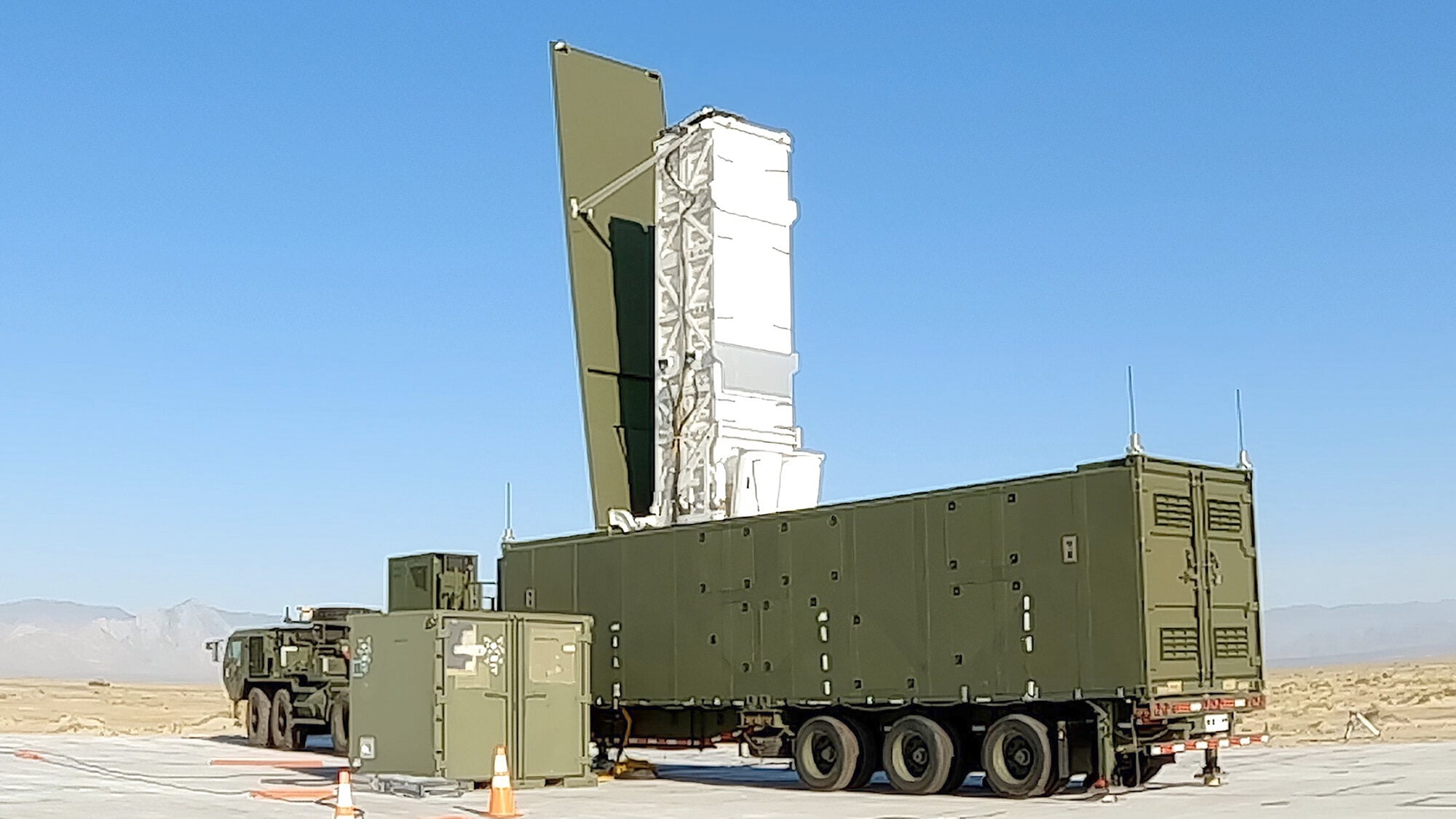
The U.S. Army is set to request proposals for prototypes of its new Common Autonomous Multi-Domain Launcher (CAML) program within days. The anticipated request, known as a Request for Prototype Proposals (RFPP), is expected to be released by the end of this month or early next month. This initiative aims to award an Other Transaction Agreement (OTA) by the end of 2024, according to the Army’s Chief Technology Officer, Alex Miller, in an interview with Breaking Defense.
Initially, the Army planned to award two contracts for the CAML program; however, Miller indicated that the timeline has shifted. This adjustment aims to attract more nontraditional and commercial vendors, enhancing the agility and flexibility of the launcher setup. “We are serious about bringing the team together so that it looks and feels like Legos, where the best athlete is doing the thing they’re really good at,” Miller explained.
Shifting Vendor Strategy
In this new approach, the Army is seeking to engage three or four vendors instead of just two. One vendor is likely to handle a medium-sized launcher, while another would oversee a larger launcher. This “teams of teams” strategy mirrors the Army’s previous successes with its Next Generation Command and Control program, which involved multiple vendors collaborating rather than a single lead entity.
Despite the benefits of this collaborative model, Miller acknowledged challenges in its implementation for the CAML program. The Army aims to have vendors present their prototypes by mid- to late-summer 2024, with an OTA agreement anticipated to follow later in the year.
Innovative Objectives for the CAML Program
Alongside the expanded vendor strategy, the Army is revising the CAML program to avoid being locked into specific fire control systems. Instead, the goal is to create an autonomous launcher capable of rapid reconfiguration. “The objective is whatever the mission demands,” Miller stated, emphasizing a modular approach to munitions.
The flexibility envisioned includes the ability to quickly adapt the launcher to accommodate various munitions, such as the HIMARS or a system like Blackbeard. While the Army is not starting from scratch, it aims to focus on key components: the autonomous mobility platform, the munitions palette, and the necessary interfaces for power and data.
Overall, the Army’s CAML program represents a significant shift in military procurement strategies, prioritizing innovation and collaboration to enhance operational effectiveness. As the RFPP approaches, stakeholders in the defense sector are closely monitoring the developments that could reshape the future of military autonomy.