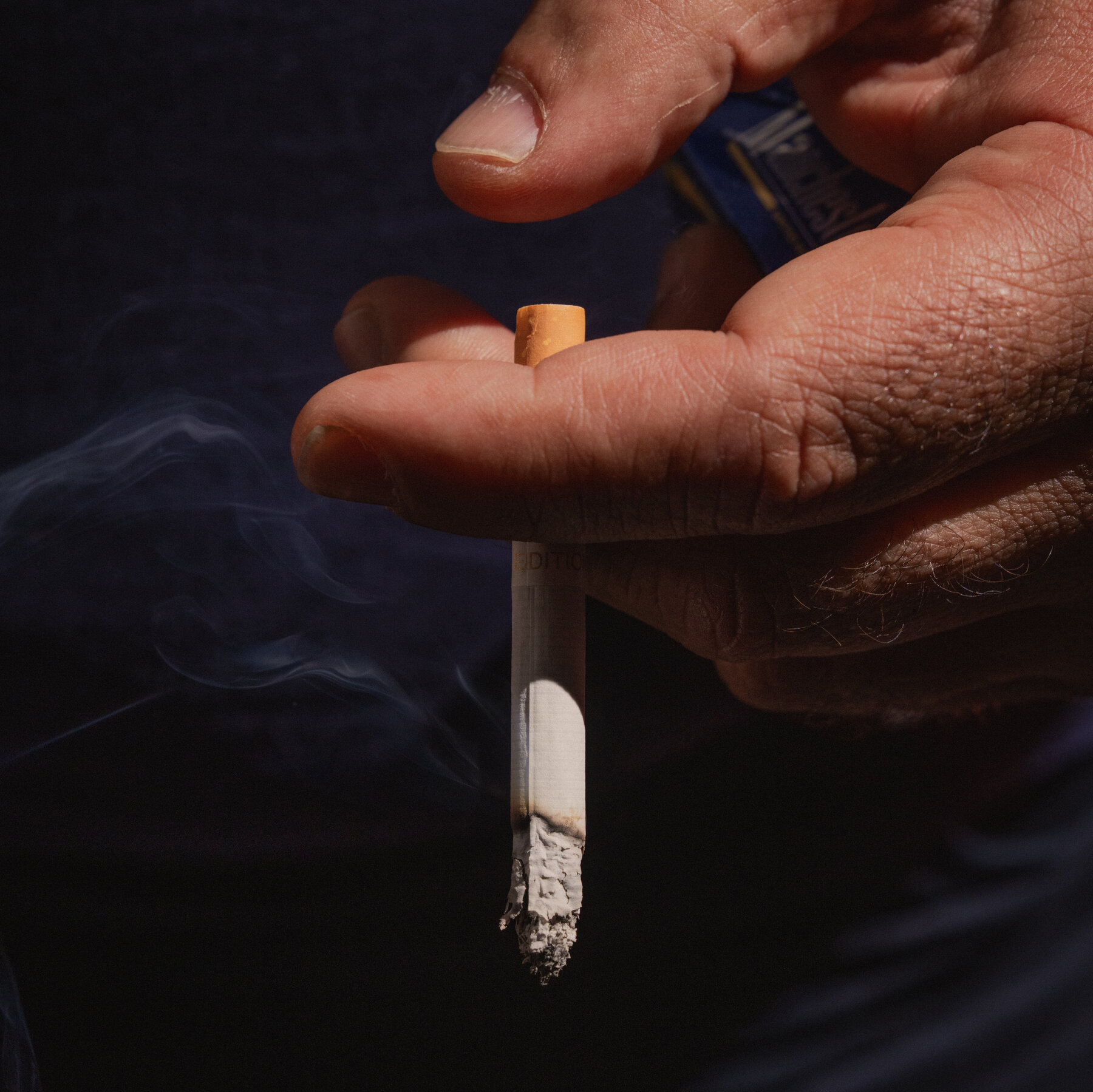
Cigarette prices in Australia have reached astonishing heights, with packs now costing around $40, making them the most expensive in the world. This significant increase, driven by tax hikes, has inadvertently fueled a burgeoning black market for bootleg tobacco, costing the government billions in lost revenue.
The Australian Taxation Office reported that these escalating prices are a direct result of aggressive taxation policies aimed at reducing smoking rates. Despite the public health goal, the unintended consequence has been the emergence of a thriving criminal enterprise. According to the Australian Bureau of Statistics, illegal tobacco sales have surged, with estimates suggesting that the black market now constitutes a multi-billion-dollar industry.
The issue is particularly pressing in regions where affordability is a concern. Smokers are increasingly turning to illicit sources for cheaper alternatives. Reports indicate that criminal networks are thriving, supplying low-cost cigarettes that evade tax regulations. The allure of saving money has drawn many to these products, despite the legal risks involved.
As of 2023, the black market for tobacco has become an attractive option for many Australians. A significant percentage of smokers now purchase from unregulated sellers, often without any health standards. This shift has raised alarms among public health officials, who argue that the illicit trade undermines efforts to promote smoking cessation.
In response to these developments, authorities are ramping up enforcement measures. The government is investing in initiatives aimed at curbing the illegal tobacco trade, including increased surveillance and harsher penalties for offenders. The focus is on dismantling organized criminal groups that profit from selling unregulated tobacco products.
The paradox of high cigarette prices is evident; while the government aims to decrease smoking through financial disincentives, it inadvertently provides fertile ground for illegal activities. This cycle raises questions about the effectiveness of current strategies in public health initiatives.
The battle against the black market for tobacco is complex. Many consumers still perceive the black market as a viable option for their smoking needs. As the government grapples with this issue, the challenge remains to balance public health goals with the realities of consumer behavior.
The situation continues to evolve, and the impact of these high prices on public health remains to be seen. In the meantime, the black market presents a significant challenge to both law enforcement and public health officials, requiring a multifaceted approach to address the complexities of the tobacco industry in Australia.