Billionaires are increasingly investing in the development of tech-centric cities, envisioning communities that operate under their own governance structures. This trend sees affluent individuals, particularly in the technology sector, seeking to create urban environments that align more closely with their ideals and business models. With projects underway in various parts of the globe, these ventures often involve partnerships with governments in less economically developed countries.
The concept, described by Mark Lutter, founder of the non-profit Charter Cities Institute, stems from a growing dissatisfaction with existing political systems. Lutter’s organization aims to “empower new cities with better governance to lift tens of millions of people out of poverty.” These initiatives reflect a search for innovative living solutions, though critics question the implications of such developments.
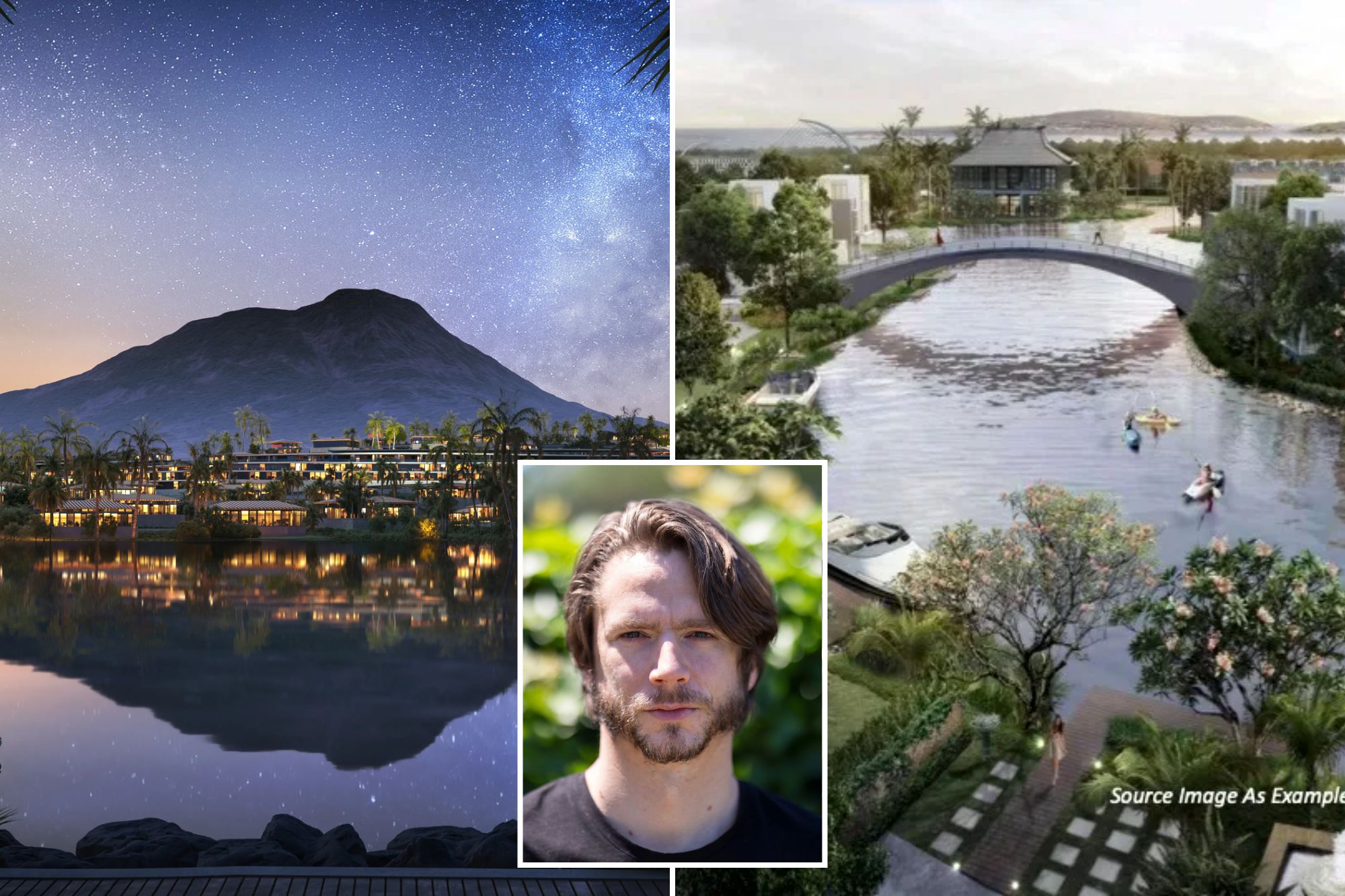
Oliver Janssens, a bitcoin millionaire, is spearheading the construction of Destiny on the Caribbean island of St. Kitts and Nevis. His vision for a family-friendly community includes the establishment of residential units priced between $500,000 and $3 million. Janssens envisions a locale where cryptocurrency serves as the main currency and property owners have the authority to decide community rules. He asserts, “The last thing I want is 10,000 libertarians going there. I want a safe place for medium to affluent families to live their lives.”
Global Initiatives in Tech Urbanism
In Honduras, the project known as Prospera has already attracted around 1,000 residents to a community designed to resemble an upscale gated environment complete with luxury amenities. Founded by Venezuelan investor Erick Brimen and backed by notable figures like Peter Thiel, Prospera operates under its own set of laws, including unique arbitration processes involving judges from the United States. The community also allows for leniency regarding longevity treatments, attracting health enthusiasts like Bryan Johnson, who is exploring gene therapy advancements.
In contrast, California Forever seeks to recreate the American dream by building a new town that emphasizes community and innovation. With financial backing exceeding $1 billion, the project aims to develop 94 square miles of land into a city that features advanced manufacturing hubs for industries such as aerospace and robotics. Jan Sramek, the project’s founder, plans to break ground in 2027.
Meanwhile, in Sierra Leone, British actor Idris Elba is leading the charge to modernize Sherbro Island through its designation as a Special Economic Zone. Elba’s vision for the island includes a wind farm and infrastructure that blends local culture with advanced technology. His initiative is inspired by a personal mission to contribute positively to Sierra Leone, his father’s homeland.
Cautionary Tales and Future Aspirations
Not all such ventures have progressed smoothly. Akon City in Senegal, backed by musician Akon, serves as a cautionary tale of ambition meeting reality. Initially intended to be a vibrant urban center powered by solar energy, the project has faced significant financial challenges and delays. By 2025, only a reception building had been completed, leaving plans for housing and infrastructure largely unfulfilled. Akon acknowledged the struggles in securing investment and has since pivoted to a more realistic approach, focusing on developing a vacation resort instead.
The varied success rates of these projects highlight the complexities involved in creating new urban environments. While the vision of tech utopias captivates many, the gap between aspiration and execution remains significant. As these billionaires invest in their unique interpretations of city living, the implications for governance, community, and local economies are still unfolding.