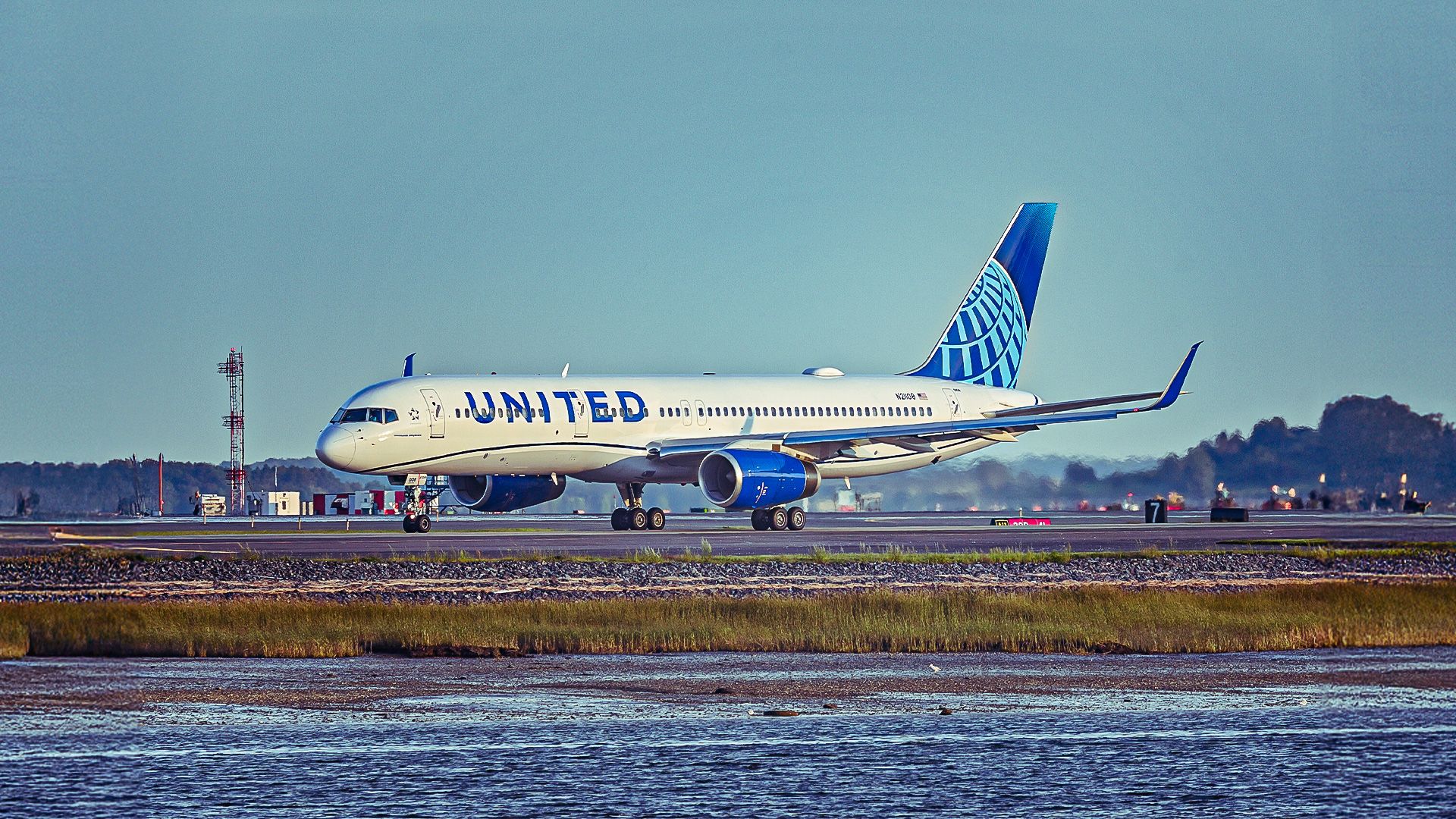
The Boeing 757 continues to thrive in transatlantic travel, with approximately 60% of its production still operational in 2019. Designed in the 1970s, this aircraft has become a staple for airlines and passengers alike, particularly on lucrative North Atlantic routes. While other aircraft have come and gone, the 757’s unique capabilities have ensured its place in the skies.
A key factor in the 757’s success is its adaptability. With an average age of over 20 years among leading operators, including Delta Air Lines, airlines have yet to find a suitable replacement. The jet, often referred to as the “Flying Pencil,” has become synonymous with mid-market transatlantic flights due to its ideal balance of size and range. It boasts a seating capacity of roughly 160–180 passengers, making it economically viable for routes like New York to Manchester and Washington to Lisbon.
Performance and Popularity
First entering service in 1984, the Boeing 757 has long been praised for its performance, comfort, and efficiency. Delta Air Lines operates nearly half of the 1,050 units delivered, maintaining the largest fleet of 757s globally. The aircraft’s efficiency extends to fuel use, as it is known for its favorable power-to-weight ratio and handling characteristics, making it a favorite among pilots.
A significant aspect of the 757’s operational success is its range. The aircraft can fly approximately 3,900 nautical miles, enabling nonstop flights from various East Coast U.S. airports to multiple Western European destinations. Although newer aircraft like the Airbus A321XLR and Boeing 737 MAX offer certain advantages, none match the versatility of the 757 in this segment.
The aircraft’s design allows it to operate on shorter runways, which many other jets cannot manage, further increasing its operational scope. The 757’s engines produce around 43,000 pounds of thrust each, enabling it to take off from airports with space constraints while still carrying a significant fuel load.
The Future of the 757 and the Challenge Ahead
Despite its ongoing success, the 757 is not without challenges. Boeing ceased production in 2004 and has not introduced a direct successor, leading to a market gap that has persisted for nearly two decades. The absence of a newer model has left airlines relying heavily on the 757, even as the industry shifts towards more fuel-efficient aircraft designed to meet carbon reduction goals.
Boeing’s decision not to pursue a replacement has raised questions about the company’s strategic vision. The anticipated 797 model has yet to materialize, allowing Airbus’s A321XLR to capture market interest with its advanced engines and improved fuel efficiency. The A321XLR offers about 700 nautical miles more range than the 757 at similar payloads, presenting a significant challenge to the aging aircraft.
As airlines adapt to evolving market demands, the Boeing 757 remains a resilient player in transatlantic aviation. Its operational history, combined with a loyal base of pilots and maintenance crews, ensures that while it may be showing its age, it still has much to offer in the competitive landscape of air travel.