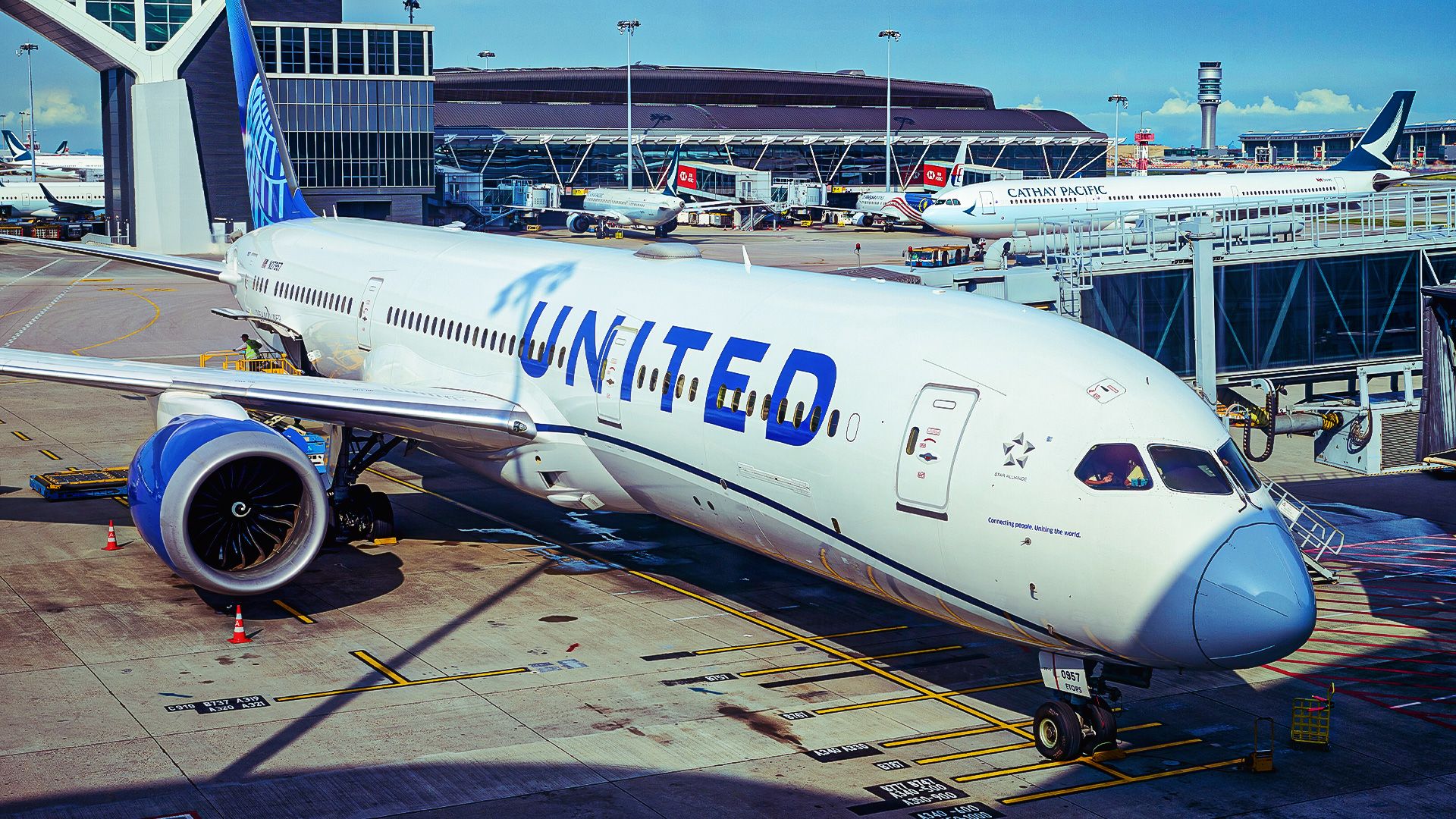
The future of the Boeing 767 fleet hangs in the balance as airlines consider modern alternatives like the Boeing 787 and Airbus A330neo. Currently, the largest operators of the Boeing 767 are Delta Air Lines and United Airlines, with 58 and 53 aircraft in service, respectively. Both carriers primarily utilize the 767-300ER and 767-400ER variants, but these aircraft are now over 20 to 30 years old, prompting a need for replacement.
Boeing’s 787 and Airbus’ A330neo present themselves as frontrunners in the race to succeed the aging 767. The 787, known for its fuel efficiency and advanced technology, offers a significant upgrade in terms of passenger comfort and operational performance. It boasts a range of approximately 7,530 nautical miles, making it suitable for long-haul routes without compromising on efficiency.
On the other hand, the Airbus A330neo has positioned itself as a worthy contender with its modern design and enhanced fuel economy. The A330neo’s range extends to about 7,200 nautical miles, allowing airlines to operate various international routes efficiently. Both aircraft types incorporate the latest aerodynamics and engine technology, crucial for reducing operational costs and minimizing environmental impacts.
Comparative Analysis of the Two Aircraft
When comparing the two aircraft, several factors come into play, including performance, passenger capacity, and operating costs. The Boeing 787 typically has a seating capacity ranging from 242 to 320 passengers, depending on the variant. Its innovative design includes larger windows and improved cabin pressure, significantly enhancing passenger comfort on long flights.
In contrast, the Airbus A330neo accommodates between 260 to 300 passengers, depending on airline configurations. The A330neo features new, fuel-efficient engines and wing designs that contribute to its lower fuel consumption, making it an attractive option for airlines seeking to reduce overhead costs.
Both aircraft have been well-received in the market, with numerous airlines around the world placing orders. Airlines are increasingly focused on sustainability, and these aircraft meet that demand through reduced emissions and better fuel economy. According to Boeing, the 787 series can save airlines up to 20 percent in fuel costs compared to older aircraft.
Market Trends and Future Outlook
As the aviation industry continues to recover from the impacts of the COVID-19 pandemic, airlines are reevaluating their fleets. Delta Air Lines and United Airlines, the leading operators of the Boeing 767, are both exploring options for new aircraft to enhance their long-haul capabilities. The transition to the Boeing 787 or Airbus A330neo could provide these airlines with the necessary tools to compete in a changing market.
The decision to replace the 767 fleet involves careful consideration of various factors such as operational efficiency, passenger experience, and environmental responsibility. As airlines look to modernize their fleets, the competition between the Boeing 787 and Airbus A330neo will undoubtedly shape the future of long-haul travel.
In conclusion, while the Boeing 767 has served airlines well for decades, the advancements offered by the Boeing 787 and Airbus A330neo present compelling alternatives. The next few years will be critical as airlines like Delta and United make strategic decisions on the future of their fleets, potentially reshaping the landscape of international air travel.