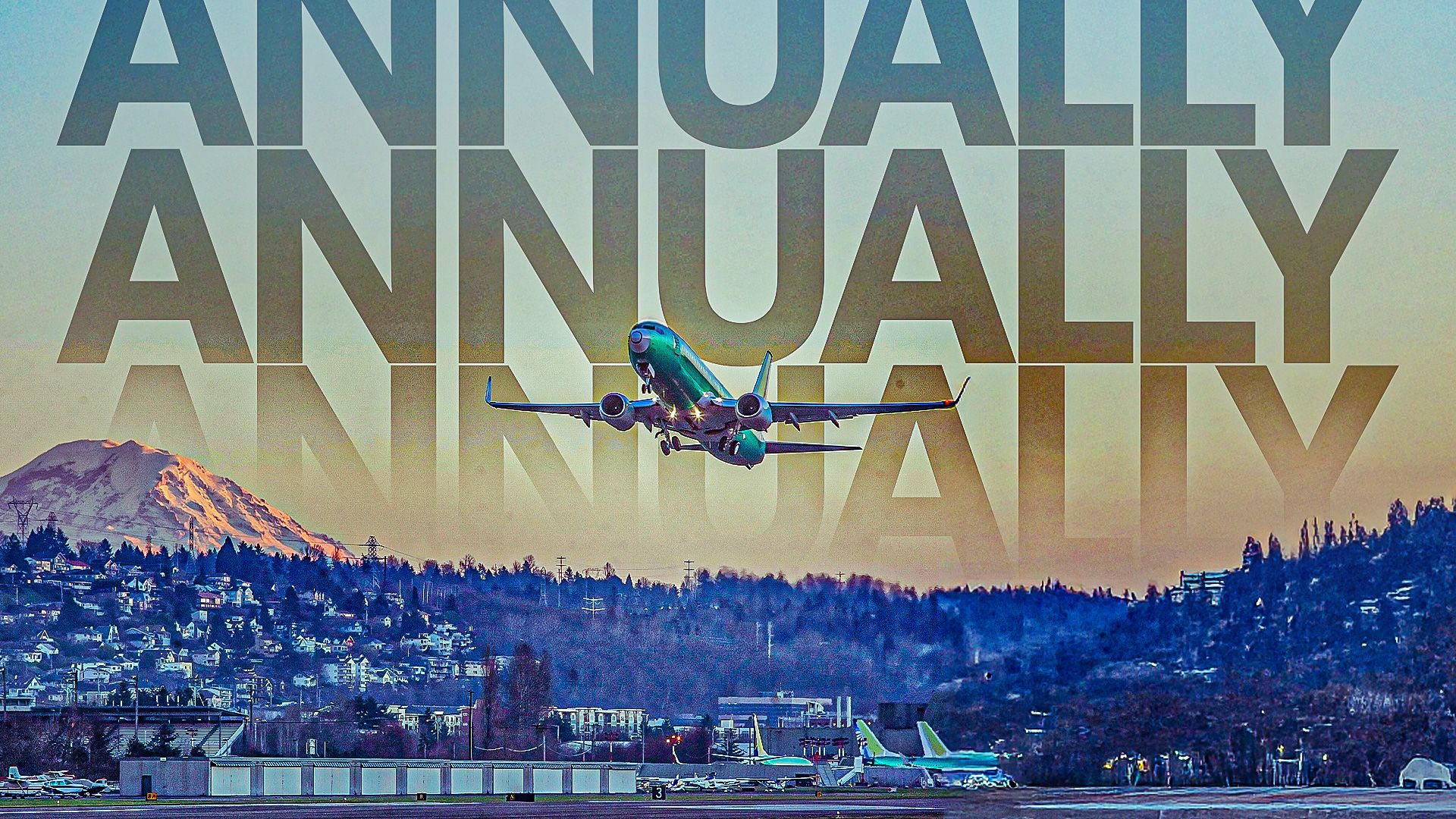
Boeing, one of the world’s leading commercial aircraft manufacturers, is strategically positioning itself for recovery after facing significant challenges in recent years. In 2024, the company delivered just **348 commercial aircraft**, marking a notable decline from pre-pandemic figures. This downturn reflects ongoing production slowdowns, quality control enhancements, and supply chain disruptions that have hindered Boeing’s ability to meet global airline demand.
Understanding the dynamics between production and deliveries is essential. Production refers to the total number of aircraft manufactured, while deliveries indicate the number of those aircraft that are completed and handed over to customers. In recent years, Boeing has experienced a gap between these two figures, primarily due to regulatory challenges and logistical issues. Hundreds of Boeing **737 MAX** jets remain in inventory, awaiting final modifications and customer acceptance.
Production Challenges and Quality Control
Boeing’s production environment has been heavily influenced by regulatory oversight from the **Federal Aviation Administration (FAA)**. Increased scrutiny has necessitated more rigorous inspection protocols, which have prolonged the delivery process. The company has acknowledged that while its manufacturing throughput is improving, the pace of certified deliveries remains cautious.
In 2024, Boeing’s production faced additional challenges, including component shortages that disrupted the flow of aircraft assembly. As a result, the company has been forced to prioritize quality over sheer output, a reflection of its commitment to restoring confidence among regulators and customers. Despite the low delivery count, Boeing’s leadership views this strategic approach as a long-term investment in safety and reliability.
Looking forward, Boeing aims to improve its delivery figures in 2025. Analysts project that the company could deliver between **580 and 600** commercial jets, representing a recovery of approximately **70%** from the previous year. This anticipated growth hinges on maintaining consistent production rates and effectively managing inventory.
Future Outlook and Market Dynamics
The **737 MAX** line will likely be central to Boeing’s recovery strategy, with the company stabilizing its production at **38 aircraft per month** and seeking approval to increase to **42 aircraft per month**. The **Boeing 787 Dreamliner** is also expected to see a year-over-year increase in production as international demand resumes.
However, several constraints remain. Certification delays for the **MAX 7** and **MAX 10** variants continue to limit Boeing’s output capacity. These aircraft are essential for meeting airline demand in specific market segments, and their absence from production schedules creates inefficiencies.
Boeing’s historical peak in aircraft deliveries was **806** in **2018**, a benchmark that highlights the operational challenges the company has faced since the grounding of the **737 MAX** in **2019** and the onset of the **COVID-19** pandemic in **2020**. Currently, Boeing’s monthly delivery rate fluctuates between **40 and 60 jets**, a significant drop from the **70-80 per month** range achieved during its peak years.
Ultimately, Boeing’s ability to increase production while maintaining quality standards is critical for its future. The company aims to return to producing over **700 aircraft annually** by **2026 or 2027**, a target that will depend on a stable regulatory environment, supplier performance, and consistent demand from airlines.
As Boeing navigates these challenges, its recovery trajectory will be closely monitored by industry analysts and stakeholders. The company’s capacity to adapt and respond to the evolving landscape of the aviation market will play a crucial role in determining its position as a leader in the aerospace industry.