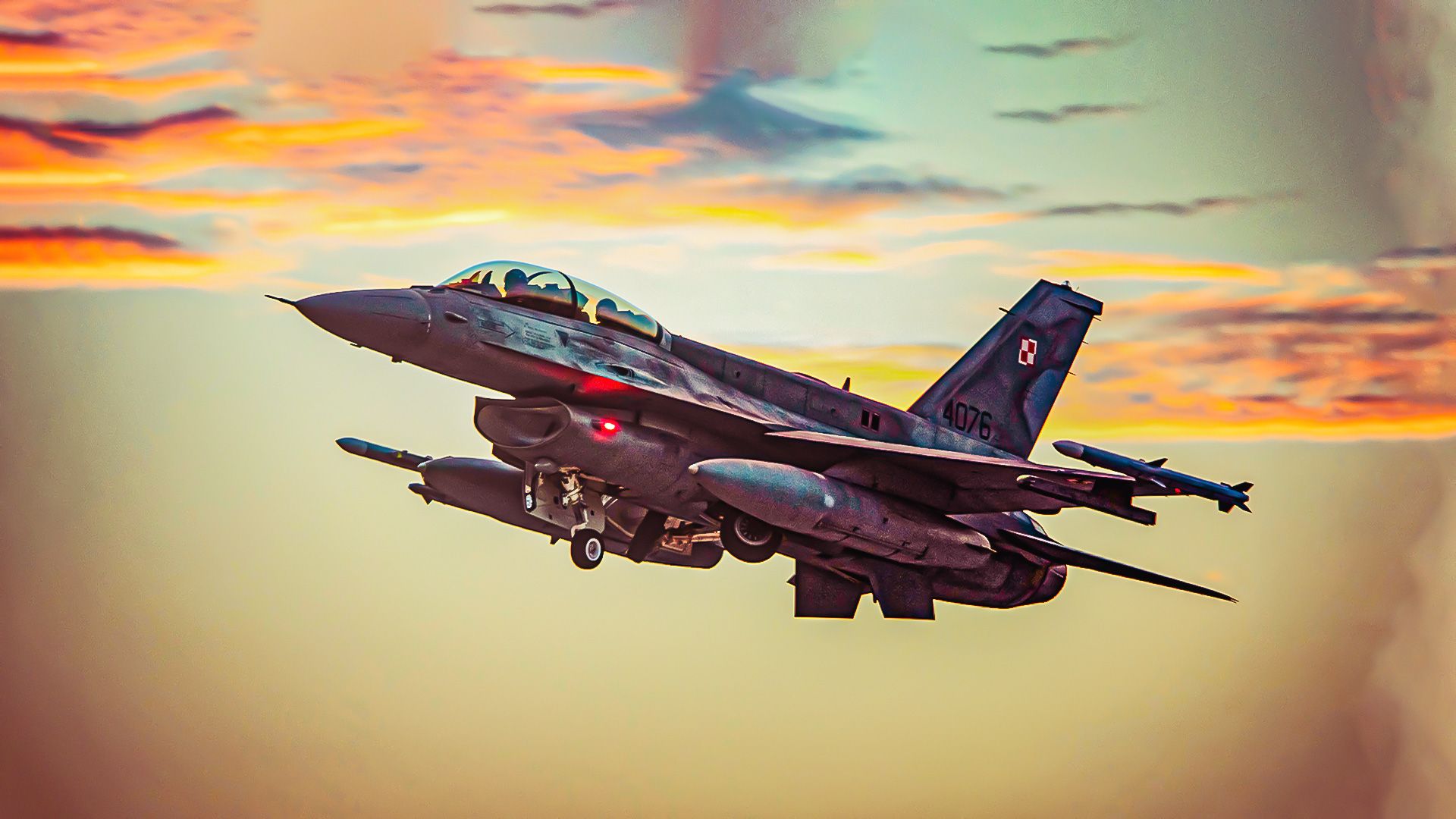
The competition between Boeing and Lockheed Martin intensifies as both companies vie for dominance in the fighter jet manufacturing sector. As of 2023, the U.S. Department of Defense continues to prioritize advanced combat capabilities, and the production rates of these aerospace giants are under scrutiny. The pivotal question emerges: which manufacturer currently produces more fighter jets?
Boeing’s Production Landscape
Boeing has maintained a significant presence in the fighter jet arena, particularly through its production of the F/A-18 Super Hornet and the F-15EX Eagle II. The Super Hornet serves as a critical platform for the U.S. Navy, emphasizing versatility and reliability in various combat scenarios. With production ramping up, Boeing is expected to deliver a total of 24 F/A-18s by the end of 2023, contributing to its ongoing commitment to the naval aviation sector.
Moreover, Boeing’s recent introduction of the F-15EX, an advanced variant of the classic F-15, signifies its effort to modernize the U.S. Air Force’s fleet. The Air Force has committed to acquiring a sizable number of these aircraft, with plans for 144 units over the next several years. This strategic move positions Boeing to capture a more significant share of the fighter jet market.
Lockheed Martin’s Stronghold
Lockheed Martin, on the other hand, leads the market with its innovative F-35 Lightning II. This stealth multirole fighter has become a cornerstone of modern air warfare. As of 2023, Lockheed Martin has delivered over 500 F-35s to various international partners and U.S. forces, reinforcing its status as the top fighter jet manufacturer. The company is on track to produce approximately 150 units annually, further solidifying its foothold in the global defense market.
The F-35 program is notable not only for its advanced technology, including sensor fusion and stealth capabilities, but also for its extensive international collaboration. With partners in Europe and Asia, Lockheed Martin has created a robust supply chain that enhances production efficiency and reduces costs.
Market Implications and Future Outlook
The competition between Boeing and Lockheed Martin has significant implications for the defense industry. With military budgets expanding globally, particularly in the United States, both companies are poised to benefit from increased demand for advanced fighter jets. The U.S. Air Force has outlined plans to enhance its fleet, which could lead to increased orders for both manufacturers.
According to industry analysts, the focus on advanced technologies and production capabilities will be crucial in determining future contracts. As the need for next-generation fighter jets grows, Boeing and Lockheed Martin will continue to innovate and compete fiercely for contracts.
In conclusion, while Lockheed Martin currently leads in production numbers with the F-35, Boeing’s strategic moves with the F/A-18 and F-15EX indicate a competitive landscape ripe for change. The coming years will be critical as both manufacturers adapt to the evolving demands of modern aerial combat, making the rivalry between these aerospace titans a focal point of the defense industry.