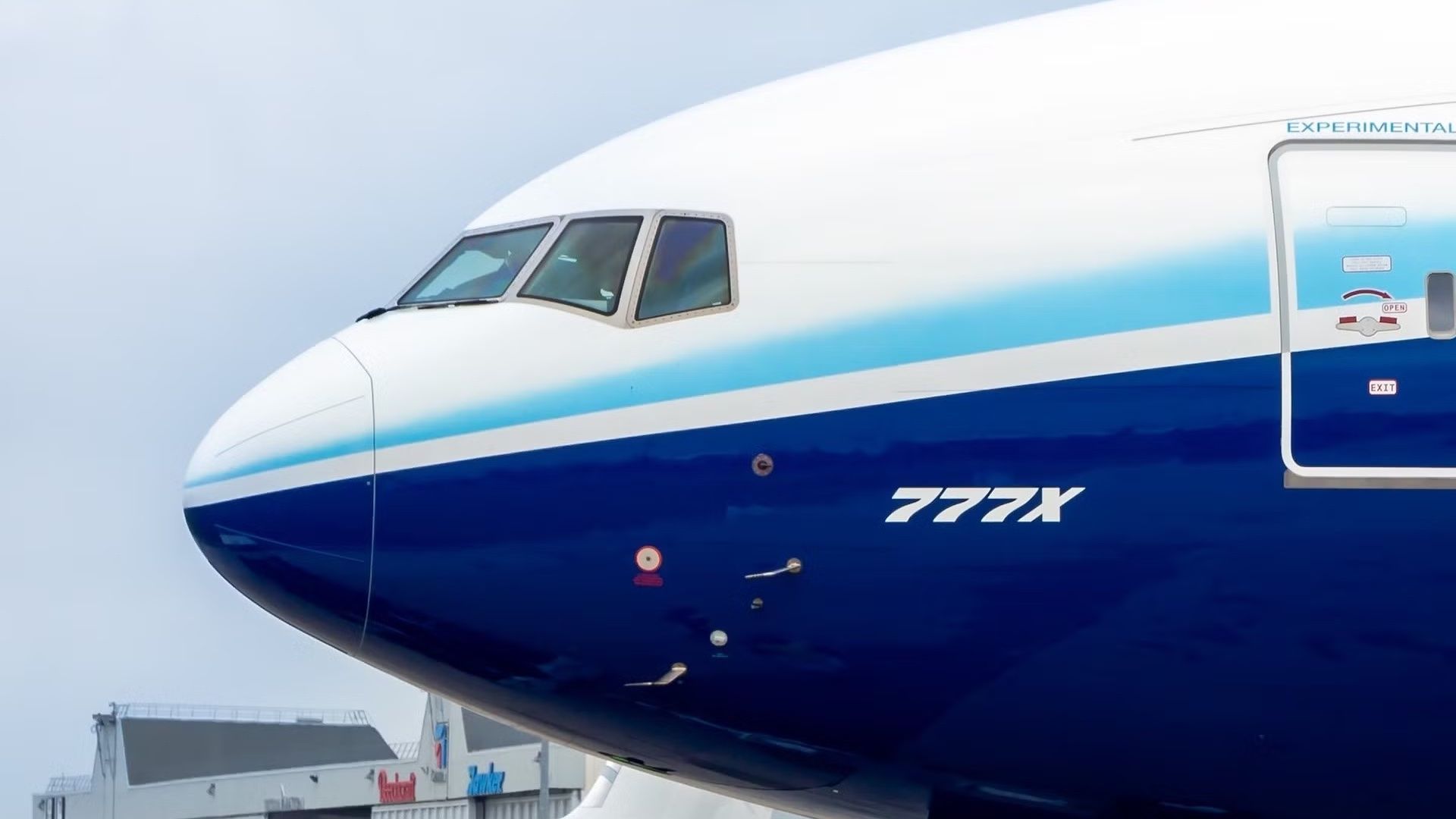
Boeing has initiated wing assembly for the new 777-8F Freighter, marking a significant milestone in the development of what is poised to be the world’s most capable twin-engine cargo aircraft. This assembly work, taking place at Boeing’s Composite Wing Center in Everett, Washington, involves the construction of wing spars exceeding 100 feet, alongside corresponding skin panels. This advance signals tangible progress in the broader Boeing 777X freighter program, which encompasses contributions from Japanese partners, including Mitsubishi Heavy Industries, Kawasaki, and Subaru.
The commencement of wing assembly follows Boeing’s announcement of a revised timeline, with the 777-8F now expected to enter service in 2028. The company plans to cease production of the 767 freighter by 2027, a move that will significantly alter the near-term landscape for widebody cargo aircraft.
Progress in Wing Assembly
Boeing has made substantial strides in wing assembly, having drilled and fabricated the first spars of the 777-8F. Recent updates shared via LinkedIn confirmed that the production of the 100-foot spars and wing skins is well underway. This activity is in line with the ramp-up toward initial deliveries set for 2028. Reports from various trade sources indicate that the assembly process includes advanced robotic drilling techniques.
Despite these advancements, the delay in service entry for the 777-8F has raised concerns regarding the industry’s capacity to replace aging widebody freighters. The decision to defer production and service entry has further compressed Boeing’s timeline for transitioning from older models like the 767F and the 777F to the new 777-8F, which could expose the company to increased competition from the Airbus A350F.
Implications for Boeing and the Cargo Market
The initiation of wing assembly is a crucial step for Boeing, as it indicates progress on a strategically important platform. The 777-8F will utilize advanced composite wings and the GE9X engines, enhancing its capabilities in the cargo sector. This model builds on Boeing’s legacy in the widebody freighter market, which has been shaped by the 747-400F, 747-8F, and the original 777F.
From a commercial standpoint, the rescheduling to a 2028 entry into service presents challenges. The gap between the outgoing 767F and the incoming 777-8F could lead airlines and freight integrators to consider alternatives, potentially shifting focus towards more capable models from competitors. The timely execution of production milestones is essential for maintaining customer confidence and securing future orders.
Financially, Boeing faces hurdles as it navigates certification challenges for the 777X. Any delays could escalate costs and hinder overall market competitiveness. Nonetheless, successfully hitting production checkpoints will position Boeing advantageously to capture the next upcycle in the cargo market, offering a high-payload, long-range, and environmentally friendly flagship freighter.
The introduction of the 777-8F will also indirectly impact passenger travel. While not a passenger aircraft, the production process supports a shared industrial ecosystem that benefits the passenger variant of the 777X. Smooth production of the freighter will enhance airlines’ ability to deploy cargo capacity effectively, which can generate additional revenue from non-passenger operations. This could provide airlines with the leverage needed to offer competitive pricing across their passenger services, ultimately benefiting travelers.
As Boeing progresses with the 777-8F Freighter, the industry will be closely watching how these developments unfold and their broader implications for the future of air cargo transportation.