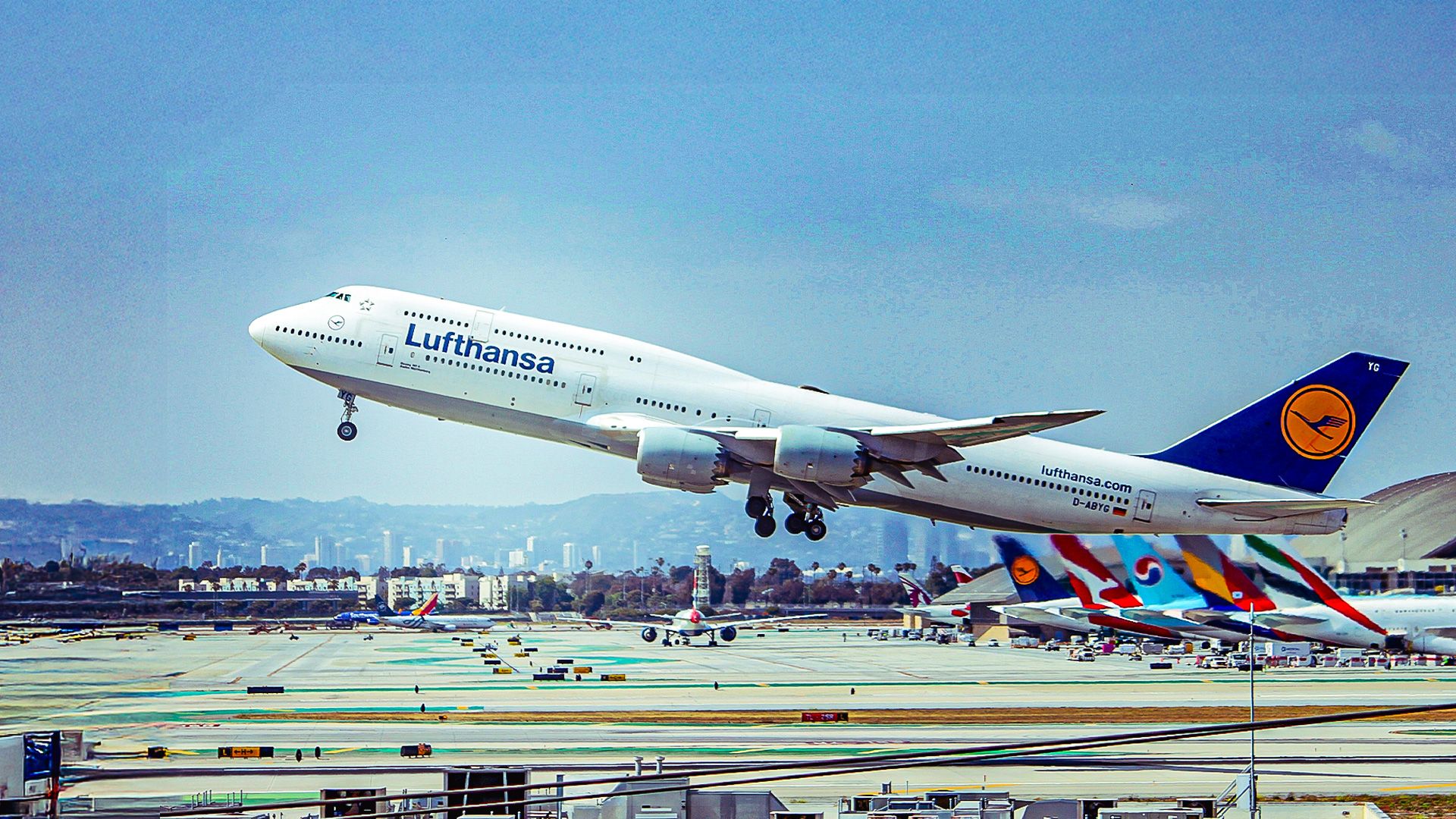
The final Boeing 747, known as the “Queen of the Skies,” has rolled off the production line, marking the end of an era for the iconic aircraft. The last unit was completed in December 2023, concluding a production run that began in 1968. This widebody, long-range airliner transformed air travel, providing unmatched luxury and capacity for decades. However, changing industry dynamics, including advancements in aircraft technology and evolving passenger preferences, led to the model’s decline.
The Legacy of the Boeing 747
The Boeing 747 was conceived when Pan American World Airlines requested a larger aircraft to reduce costs and improve efficiency. In response, designer Joe Sutter led the development of the 747, resulting in the first delivery to Pan Am on January 22, 1970. The aircraft quickly became a symbol of long-haul travel, known for its distinctive hump and spacious interiors. Over its 56-year service life, various versions of the 747 emerged, including the 747-400 and the 747-8, which boasted improved fuel efficiency and modern technology.
The introduction of the 747 revolutionized air travel. The aircraft’s capacity allowed airlines to transport more passengers at lower costs. It also enabled the democratization of air travel, making it accessible to the middle class. The 747 became a mainstay for many airlines worldwide, including Delta Air Lines, which was the last US operator to retire the model in December 2017.
Technological Advancements and Market Shifts
Despite its legacy, the Boeing 747 faced increasing competition from more efficient twin-engine aircraft. Innovations in aerodynamics and materials have made these newer models more cost-effective. The rise of Extended Twin-Engine Operational Performance Standards (ETOPS) allowed modern twin-jets to safely operate on long-haul routes once dominated by the quad-jet design of the 747. Consequently, airlines shifted their focus towards these more efficient options.
While the 747 remains operational with some cargo airlines, including Cargolux and Atlas Air, its role in passenger travel has diminished significantly. Cargo versions of the aircraft continue to be integral for transporting goods globally, but the passenger variants are now scarce. Notably, several retired 747s are displayed in museums, including the first 747 ever built, which is housed at the Museum of Flight in Seattle.
The Boeing 747’s impact on aviation history is undeniable. It opened new routes and enabled longer flights, changing the landscape of international travel. As airlines increasingly prioritize sustainability and efficiency, the legacy of the 747 will continue to resonate, serving as a reminder of a transformative period in air travel.