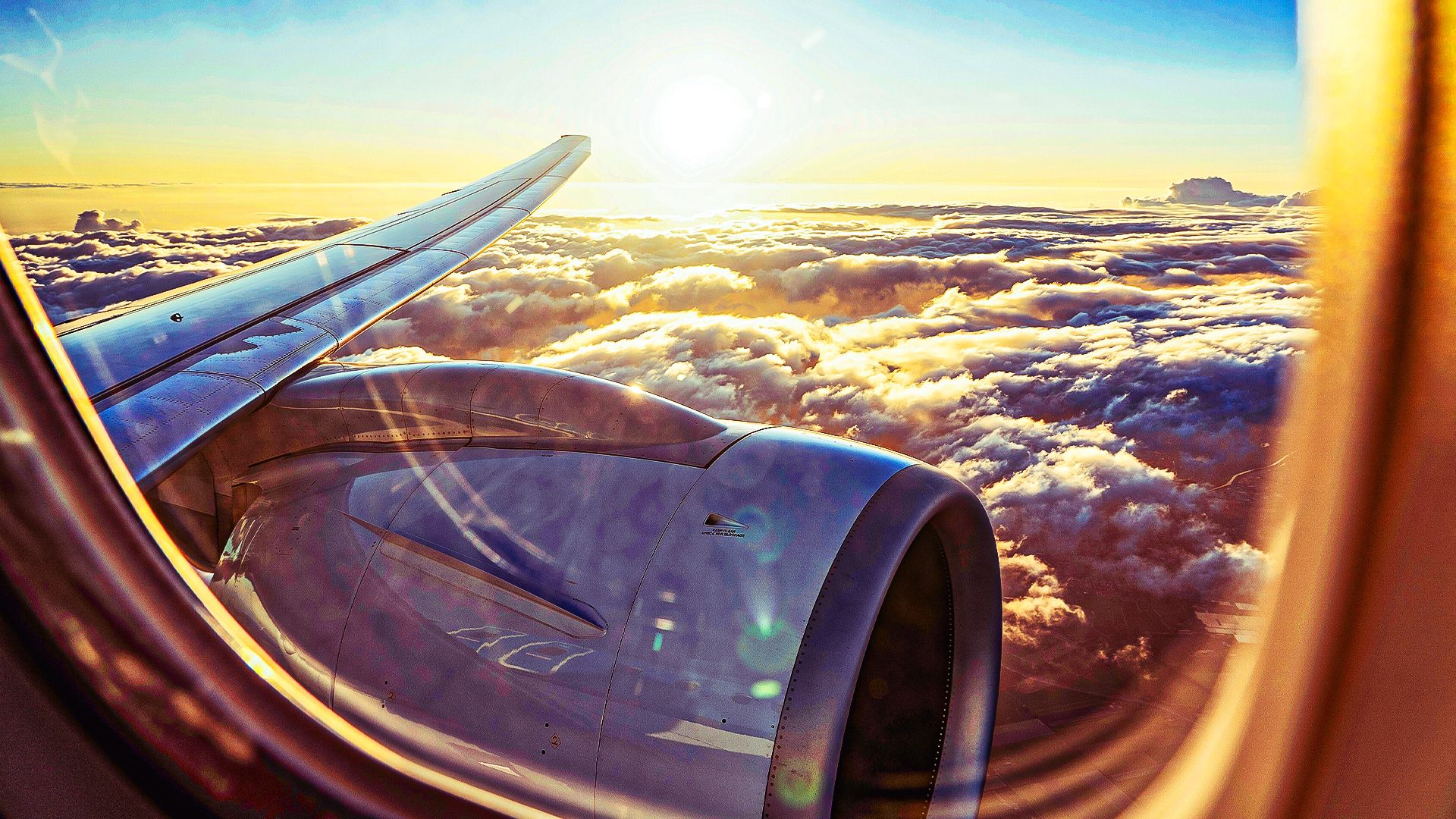
Boeing has filed patents for two innovative systems designed to address turbulence in commercial aviation, a persistent challenge that significantly impacts passenger safety. With studies indicating tens of thousands of moderate to severe turbulence events occur annually, these advancements aim to enhance detection capabilities and improve overall flight safety.
Innovative Approaches to Turbulence Detection
The first of Boeing’s patents, titled the System for Measuring Turbulence Remotely, utilizes advanced electromagnetic sensors to provide pilots with enhanced warnings of turbulence ahead. This interconnected system aspires to create a real-time, three-dimensional map of turbulence, enabling better navigation decisions. The second patent, named the Inflow Turbulence Control Structure, focuses on testing aircraft engines and airframes under conditions that mimic real-world flying scenarios. By replicating the altitude conditions on the ground, Boeing seeks to gather more accurate data that can lead to improved designs capable of withstanding turbulence.
Boeing’s efforts come at a crucial time, with experts warning of an increase in turbulence events due to changing climate conditions. Current weather and radar networks, while effective, often lack coverage in certain areas, leaving pilots with limited information. The new electromagnetic-based system aims to integrate satellite data to provide a clearer picture of atmospheric conditions, filtering out interference that can distort readings. As a result, pilots and ground teams can develop accurate turbulence models, contributing to better navigation and safety.
Collaborative Efforts and Industry Trends
Boeing’s initiatives reflect a broader industry trend towards improving turbulence awareness. Airbus is also making strides with its Turbulence EDR (Eddy Dissipation Rate) system, which leverages onboard sensors to identify turbulence and share real-time reports through the ACARS system. Airbus describes this as a significant shift towards data-driven turbulence mitigation, providing pilots with timely information to better manage their flights.
Artificial intelligence is becoming increasingly prominent in turbulence detection as well. A collaboration between All Nippon Airways and BlueWX Company Limited has produced an AI-based system that boasts an impressive 86% detection rate for turbulence, integrating deep learning techniques and human feedback.
The necessity for improved turbulence detection cannot be overstated. According to data from the National Transportation Safety Board (NTSB), over one-third of all scheduled commercial air accidents between 2009 and 2018 were attributed to turbulence. Additionally, the International Civil Aviation Organization (ICAO) reported that approximately 75% of all serious injuries in 2024 were due to turbulence incidents.
Addressing Passenger Safety and Recent Incidents
Turbulence remains a leading cause of injuries on flights, with serious incidents reported frequently. In July 2025, a Delta Air Lines flight from Salt Lake City to Amsterdam encountered turbulence, resulting in 25 hospitalizations and numerous minor injuries. A month later, an Air France A320 experienced severe turbulence during descent, injuring five passengers. These incidents highlight the pressing need for enhanced detection and preventive measures.
Passengers can take precautions by ensuring their seatbelts are fastened when advised by the flight crew. Loose items should be secured to minimize the risk of injury from cabin debris during turbulence. For those prone to motion sickness, sitting near the middle of the aircraft may help, as this area experiences less movement compared to the front or back.
With turbulence anticipated to increase in frequency as climate patterns evolve, the aviation industry faces an urgent challenge. Boeing and other manufacturers are committed to developing advanced technologies to enhance safety and mitigate the risks associated with turbulence, ensuring a smoother flight experience for all.