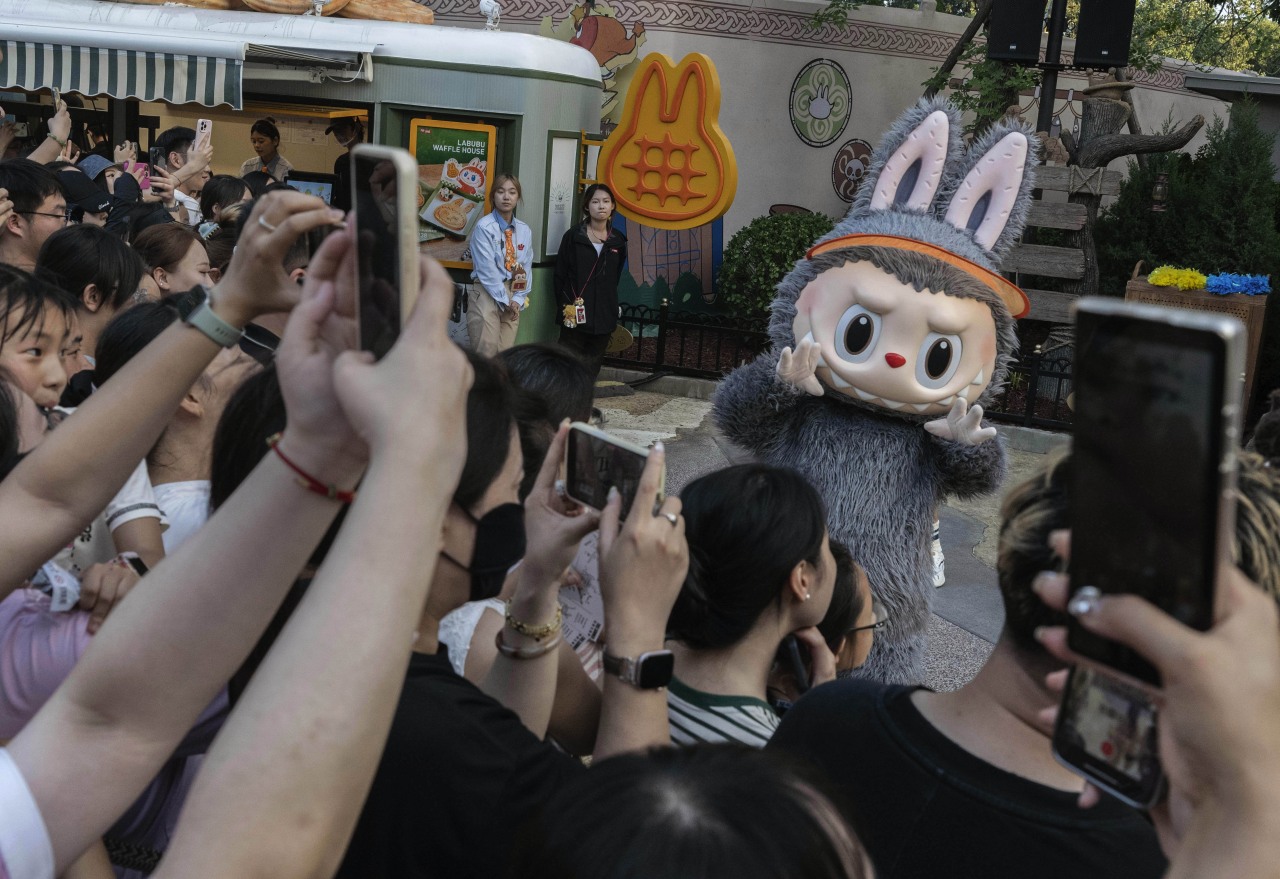
China is significantly shifting its approach to cultural diplomacy, actively harnessing influencers and popular brands to enhance its global image. This strategic move aims to strengthen its soft power and resonate more effectively with international audiences.
Leveraging Popular Culture
In an effort to engage with younger generations worldwide, Beijing has turned to modern cultural icons. The government is now collaborating with YouTube influencers and utilizing trendy merchandise, such as plush toys featuring popular characters, to capture attention. This initiative is part of a broader strategy to promote China’s cultural narrative and foster goodwill abroad.
The campaign, which gained momentum in 2023, highlights how China is investing in appealing imagery and relatable content to counteract negative perceptions. By embracing softer branding techniques, the nation hopes to cultivate a more favorable view among foreign populations.
Chinese companies are also taking part in this effort. For example, brands like Alibaba and Tencent are leveraging social media platforms to showcase their products and engage with consumers in innovative ways. The collaboration with influencers provides a fresh avenue to connect, especially with younger demographics who are increasingly influential in shaping global trends.
Soft Power and Its Significance
The concept of soft power, introduced by Joseph Nye in the late 20th century, refers to the ability to attract and co-opt rather than coerce. As China navigates its complex role on the world stage, enhancing its soft power is seen as essential for fostering international cooperation and economic partnerships.
Analysts believe this approach is crucial for China, especially given the current geopolitical climate. According to a report by the Brookings Institution, the country’s reliance on hard power tactics has led to strained relations with several nations. By softening its image, China aims to build stronger ties and improve its standing in global affairs.
Engaging with global influencers allows China to present a more relatable and appealing persona. For instance, collaborations with popular YouTube personalities can help to humanize the nation and make its culture more accessible. This initiative not only aims to promote Chinese products but also serves to enhance understanding and appreciation of its rich heritage.
As China continues to embrace this new approach, the impact on its international relationships and cultural exchanges will be closely observed. The integration of soft power strategies may reshape perceptions and foster a more nuanced understanding of China in various regions around the world.
In conclusion, China’s strategic pivot towards influencers and cultural diplomacy reflects a broader ambition to enhance its global image. By tapping into the appeal of modern cultural icons and engaging with international audiences, Beijing is positioning itself to influence opinions and facilitate a more favorable narrative on the world stage.