West Virginia is experiencing a significant transformation as data centers and cryptocurrency mining operations reshape its rural communities. This shift mirrors the past impacts of coal mining, with both industries exploiting local resources while offering limited benefits to residents. The rise of data centers comes with a promise of economic growth, but many communities are left grappling with the long-term consequences of this new extraction model.
According to the National Conference of State Legislatures, 37 states have adjusted their tax codes and regulatory frameworks to lure data centers, resulting in billions of dollars in exemptions each year. In West Virginia, the trend is particularly pronounced as companies like Blockchain Power Corp. establish operations in former coal mining areas. The firm’s recent projects have included five bitcoin mines built on abandoned sites in communities such as Hazelton and Blacksville. These facilities demand a staggering 107 megawatts of power to operate, significantly impacting local infrastructure.
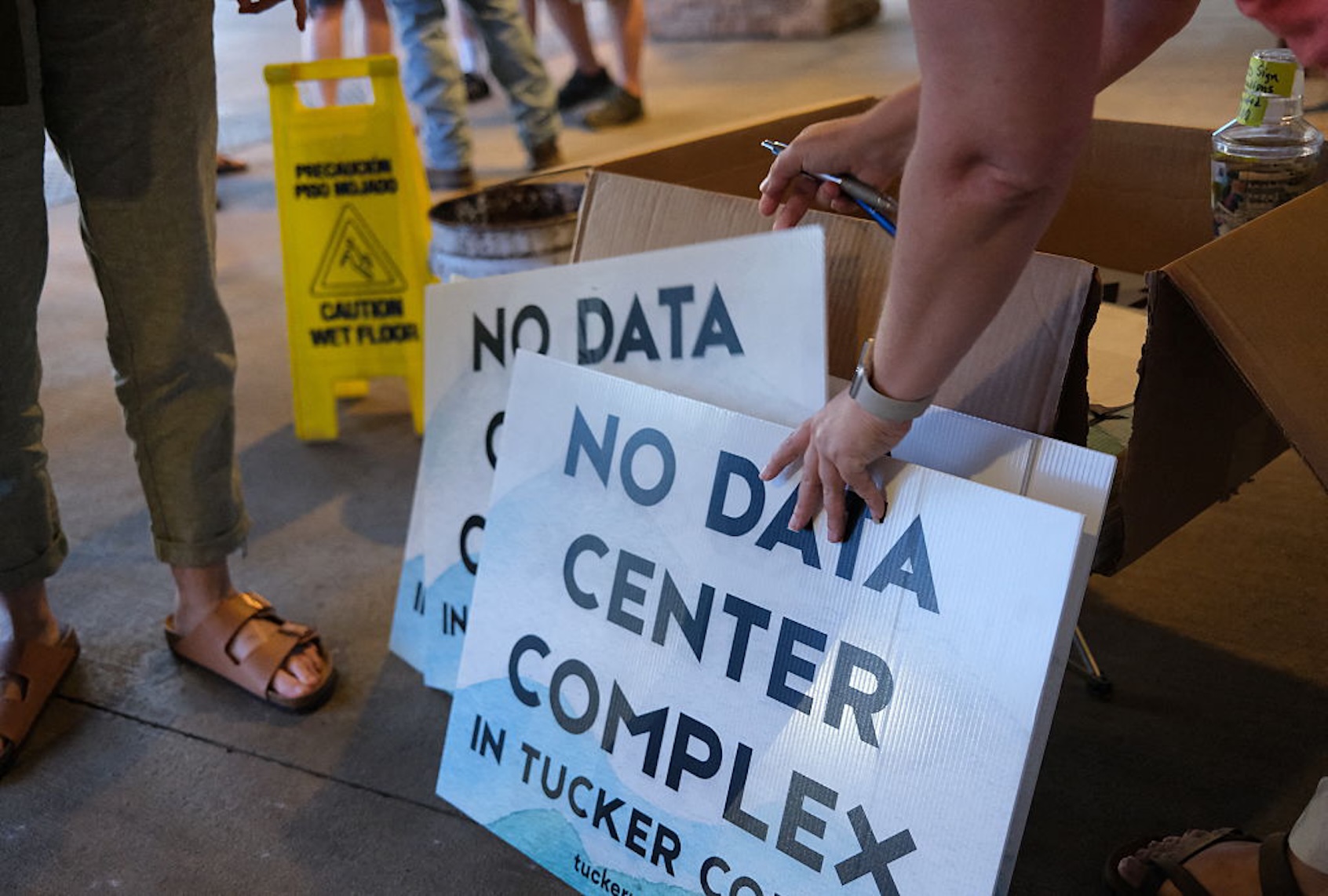
While coal mining visibly altered landscapes and communities, data centers operate behind closed doors, often obscuring their environmental and economic impacts. The facilities require vast amounts of water—up to several million gallons daily—potentially straining local water supplies. In Tucker County, plans for an off-grid gas plant to support a private data complex have raised questions among residents about resource allocation, noise levels, and job creation. Local inquiries often receive vague responses or heavily redacted permits, leading to widespread frustration.
The newly enacted Power Generation and Consumption Act, signed into law by Governor Patrick Morrisey in April 2023, is viewed by many as a continuation of the coal industry’s legacy, providing a framework that favors corporate interests over local governance. This legislation allows data centers to bypass traditional zoning and land-use regulations, resulting in communities losing control over how these projects operate. As a result, data centers can run continuously, creating noise and consuming resources without accountability.
The economic benefits of these operations are often overstated. While coal mining once provided hundreds of jobs per county, data centers employ only a fraction of that number. For instance, the recent expansions in West Virginia have created a workforce small enough to fit on a school bus, raising concerns about the long-term sustainability of these jobs. Residents are increasingly aware that the promise of economic revitalization often comes at the cost of local resources and quality of life.
Opposition to these developments is growing, as local leaders and residents begin to recognize the long-term ramifications of allowing such operations to flourish unchecked. Communities across the state are facing similar proposals, with the Adams Fork Data Center Energy Campus and other projects threatening to exacerbate an already precarious situation. The historical context of coal mining looms large, as residents remember the cycles of promise and abandonment that have characterized the region’s industrial past.
As the data center industry evolves, its volatility poses a risk to the communities that have embraced it. The economic landscape can shift rapidly, as evidenced by the fluctuating fortunes of bitcoin and artificial intelligence sectors. Should these industries decide to relocate or scale back operations, the impact on local economies could be devastating, leaving towns with little recourse to address the fallout.
In summary, West Virginia stands at a crossroads, facing a new chapter of resource extraction that echoes its coal mining history. The allure of data centers brings promises of growth but also carries the weight of past experiences that still resonate among residents. As the state continues to navigate this complex landscape, the need for transparency, accountability, and community engagement has never been more critical. The future of West Virginia’s rural areas depends on finding a balance between attracting industry and protecting the rights and resources of local communities.