Delta Air Lines has made headlines this week by finalizing an order for 30 Boeing 787-10 Dreamliners, with options for an additional 30 aircraft. This announcement highlights the growing demand for this modern widebody twinjet, which is part of Boeing’s popular Dreamliner family. The order comes as airlines worldwide continue to expand their fleets in anticipation of increased travel in the coming years.
As of 2026, several airlines are set to operate the Boeing 787-10, each utilizing the aircraft for various routes and capacities. Utilizing data from Cirium, an aviation analytics company, we can assess the current landscape of the 787-10 fleet, ranking airlines by the number of scheduled flights for the year.
Singapore Airlines Leads the Way
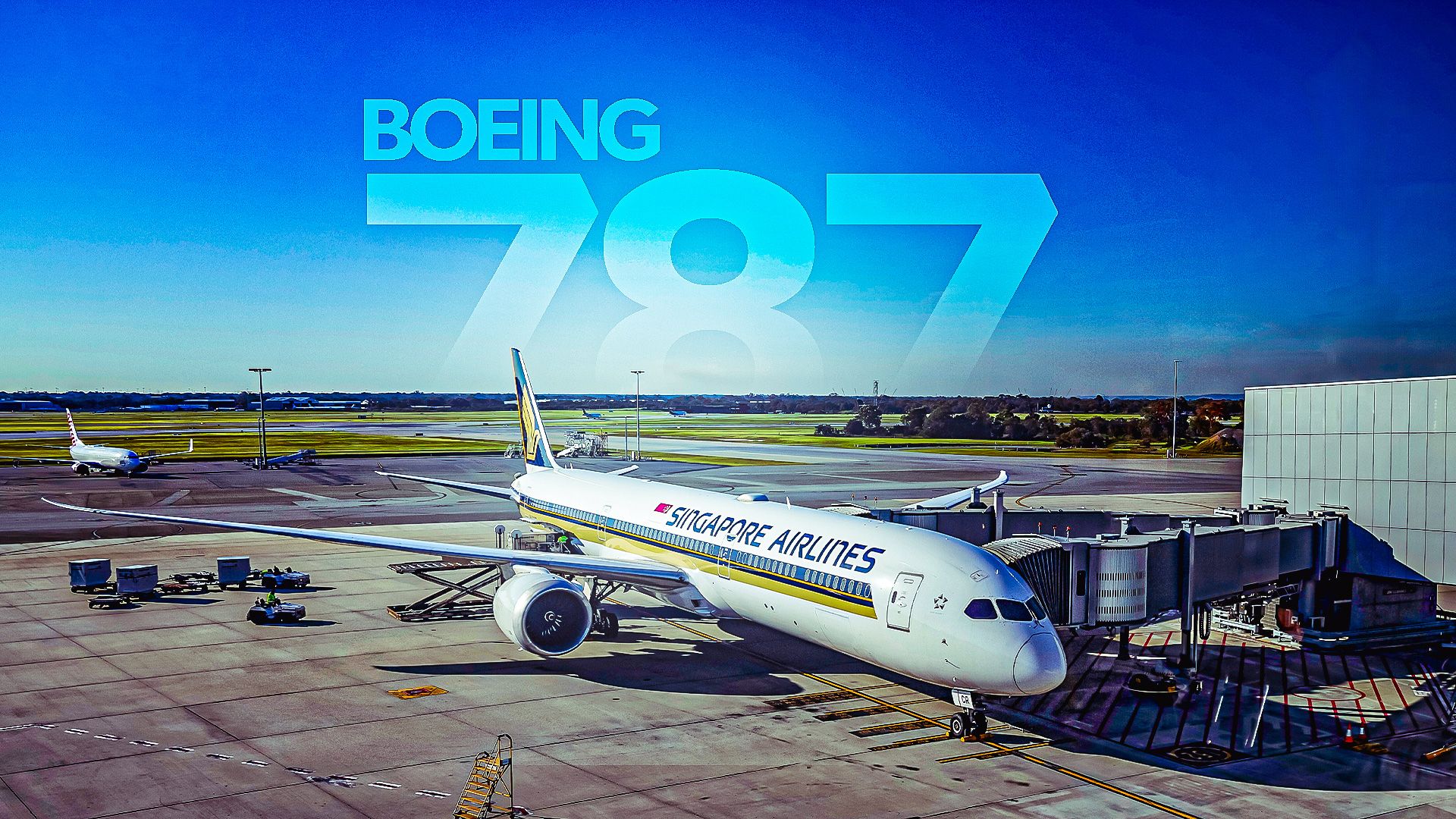
According to fleet data from ch-aviation, Singapore Airlines stands out as the largest operator of the Boeing 787-10, boasting a fleet of 27 aircraft with an additional four on order. This strategic positioning allows Singapore Airlines to dominate in scheduled flights as well, with a remarkable 26,419 flights planned for 2026. Collectively, these services will provide approximately 8.9 million seats for passengers.
The airline configures its 787-10s in a two-class layout, featuring 36 business class and 301 economy class seats. Key routes for Singapore Airlines include connections from its main hub at Changi Airport (SIN) to destinations such as Bangkok (BKK) and Denpasar (DPS), with peak frequencies reaching up to six daily round trips during summer months. Notably, Singapore Airlines was the launch customer for the 787-10, and its CEO, Goh Choon Phong, praised the aircraft’s engineering, stating it plays a vital role in the airline’s growth strategy.
Other Major Operators
Following closely behind, United Airlines ranks second in both fleet size and planned flights for 2026, with 21 787-10s and 11,508 flights scheduled. The lower number of flights compared to Singapore Airlines can be attributed to United’s preference for long-haul routes, while its Asian counterpart focuses on regional operations.
EVA Air holds the third position, planning 11,064 services with its fleet of 13 787-10s. Despite having a smaller fleet than Dutch carrier KLM, which has 14 aircraft and 10,052 flights scheduled, EVA Air maintains a competitive edge in scheduled services. Its popular routes include connections from Taipei to Osaka and Tokyo Narita, operating up to three times daily.
Another significant player is All Nippon Airways (ANA), which ranks fifth with 9,351 flights planned for 2026. ANA operates 10 787-10s and serves various domestic routes, including a key connection between Tokyo Haneda and Sapporo.
The British flag carrier, British Airways, operates 12 787-10s and has ordered 38 more. However, due to its focus on long-haul routes, it has 7,762 flights scheduled for the year.
Other notable operators include Vietnam Airlines, with 7,657 planned flights and a fleet of six 787-10s, and Korean Air, which has 13 aircraft and plans 7,407 flights. Etihad Airways is set to operate 6,582 flights with its fleet of 10 787-10s, while Saudia has 4,076 flights planned with eight aircraft in its fleet.
The newest entrant to the 787-10 family is TAAG Angola Airlines, which received its first aircraft in November 2025. Currently, the African carrier operates two 787-10s and has scheduled 34 flights in January 2026, including 17 round trips between Luanda and Sao Paulo. Additional rotations are expected to be added throughout the year.
The growing adoption of the Boeing 787-10 across various airlines underscores its significance in modern aviation, as carriers adjust their fleets to meet the evolving demands of air travel.