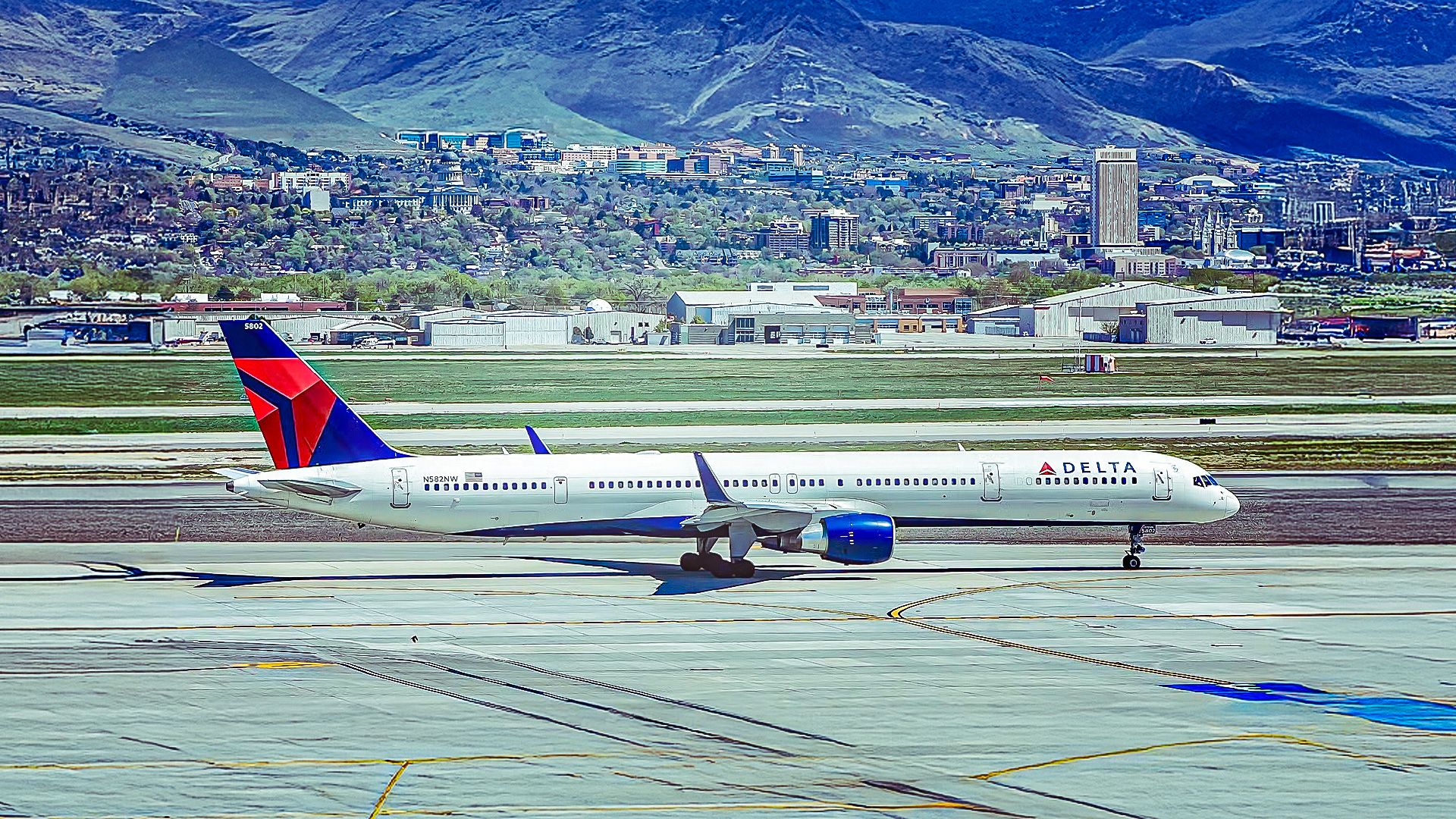
Delta Air Lines has solidified its position as a major player in the aviation industry, with a robust hub system that facilitates extensive domestic and international travel. In the first quarter of 2026, the airline is set to operate over 142,000 flights, according to aviation analytics provider Cirium. This article delves into Delta’s five busiest hubs, highlighting their significance within the airline’s expansive network.
Top Hubs in Delta’s Network
Delta’s busiest hub remains the Hartsfield-Jackson Atlanta International Airport, where the airline has scheduled nearly 24,480 departures for Q1 2026. This hub is crucial for Delta, providing more than 3.8 million seats and operating over 700 daily flights. Atlanta has been a strategic base for Delta since its early years, allowing for significant growth in capacity, which has increased by more than 20% since 2021.
The second-busiest hub is the Detroit Metropolitan Wayne County Airport, which has remained a key market for Delta since its merger with Northwest Airlines in 2008. Delta commands approximately 75% of the total market share in Detroit, facilitating hundreds of flights daily to both domestic and international destinations, including several in Europe and Asia.
Ranking third is Minneapolis-St. Paul International Airport, another hub inherited through the Northwest Airlines merger. Delta operates around 200 to 300 flights daily from this airport, with a market share of approximately 76%. The airline has expanded its long-haul services from Minneapolis, recently introducing new routes to Rome and Copenhagen.
The Salt Lake City Airport is Delta’s fourth-busiest hub, followed closely by New York LaGuardia Airport. While LaGuardia shows a high flight volume, Delta offers more seats from New York JFK, indicating its strategic focus on this key market.
Delta’s Strategic Growth and Future Plans
Delta Air Lines has consistently expanded its network since its inception in 1924 as Huff Daland Dusters. The airline transitioned from crop-dusting to passenger services in 1929, subsequently expanding its route network significantly.
For the summer of 2026, Delta plans to enhance its transatlantic offerings by operating its largest program yet, with over 650 weekly flights to nearly 30 destinations across Europe. New routes include services from Boston to Madrid and Nice, from Seattle to Rome and Barcelona, and from New York JFK to Porto, Malta, and Olbia in Sardinia. Seasonal routes, such as flights to Catania, will also resume in April.
Delta’s focus on expanding its international footprint reflects its commitment to serving a diverse range of routes and enhancing connectivity for travelers. As the airline continues to evolve, its hubs will play a pivotal role in shaping the future of air travel.