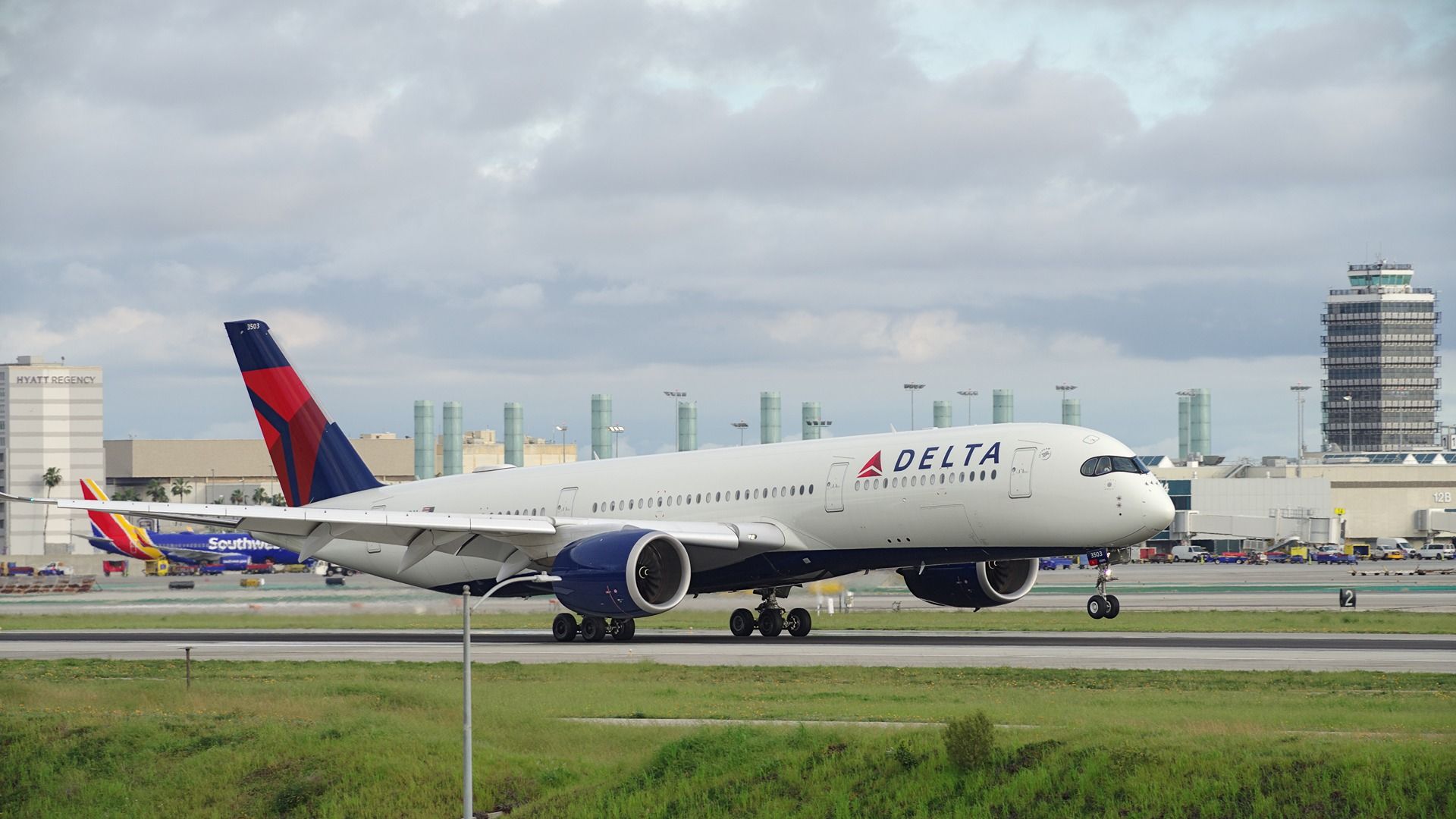
A Delta Air Lines flight was forced to make an emergency landing at Tokyo Haneda Airport after experiencing hydraulic issues en route from Shanghai to Detroit. The incident occurred on November 28, 2019, when Delta Flight 388 was approximately 140 nautical miles (259 km) north of Tokyo. The flight crew, prioritizing safety, declared an emergency and diverted to the nearest major airport.
Upon landing at Haneda, the aircraft was met by emergency services, ensuring the safety of the passengers and crew. The runway was temporarily closed for about 30 minutes while the Airbus A350-900, registration N512DN, was towed to the gate. Delta Airlines later cancelled the remainder of the flight, causing disruptions for travelers.
The flight had departed from Shanghai Pudong International Airport (PVG) at 17:46 and was scheduled to arrive at Detroit Metropolitan Wayne County Airport (DTW) at 18:05 the same day. Delta’s spokesperson stated, “On November 28, the crew of Delta Flight 388 followed procedures to divert to Tokyo-Haneda after reporting a mechanical issue while en route. The aircraft landed safely, and we apologize to our customers for the delay in their travel plans. Nothing is more important than the safety of our customers and crew.”
Aircraft Details and Response
The A350-900 involved in this incident is one of Delta’s fleet of 38 A350-900s, which are configured with 32 Business, 48 Premium Economy, and 226 Economy class seats. It entered service in January 2019 and is powered by two Rolls-Royce Trent XWB-84 engines. The aircraft had been operating various long-haul routes for the airline since its delivery.
Following the emergency landing, the aircraft remained on the ground overnight at Haneda. It was later repositioned to Seattle-Tacoma International Airport as flight DL9888, departing at 23:14 on November 29 and arriving at 14:26 the following day. A corresponding service was then scheduled to Detroit, with the flight arriving at 23:02 on the same day.
Hydraulic issues in Airbus A350 aircraft are uncommon and can result in uncommanded movements of flight surfaces, necessitating a cautious operational response. The decision to divert to Tokyo was clearly in line with safety protocols, allowing for a thorough inspection of the aircraft.
Impact on Passengers
Passengers on board Delta Flight 388 faced unexpected delays and disruptions due to the incident. Delta Airlines operates a daily non-stop service between Shanghai and Detroit, typically taking around 13 hours gate to gate. The airline’s commitment to safety ensured that passengers were safely diverted to Japan rather than risking further complications during the flight.
Delta has since resumed regular operations for the aircraft, which was scheduled to operate from Detroit to Seoul on November 30, 2019. The incident highlights the importance of safety protocols in aviation, reinforcing the airline’s priority in ensuring the well-being of its customers.
As air travel continues to grow, maintaining rigorous safety standards remains paramount. This incident serves as a reminder of the complexities involved in air travel and the need for swift action in the face of potential technical issues.