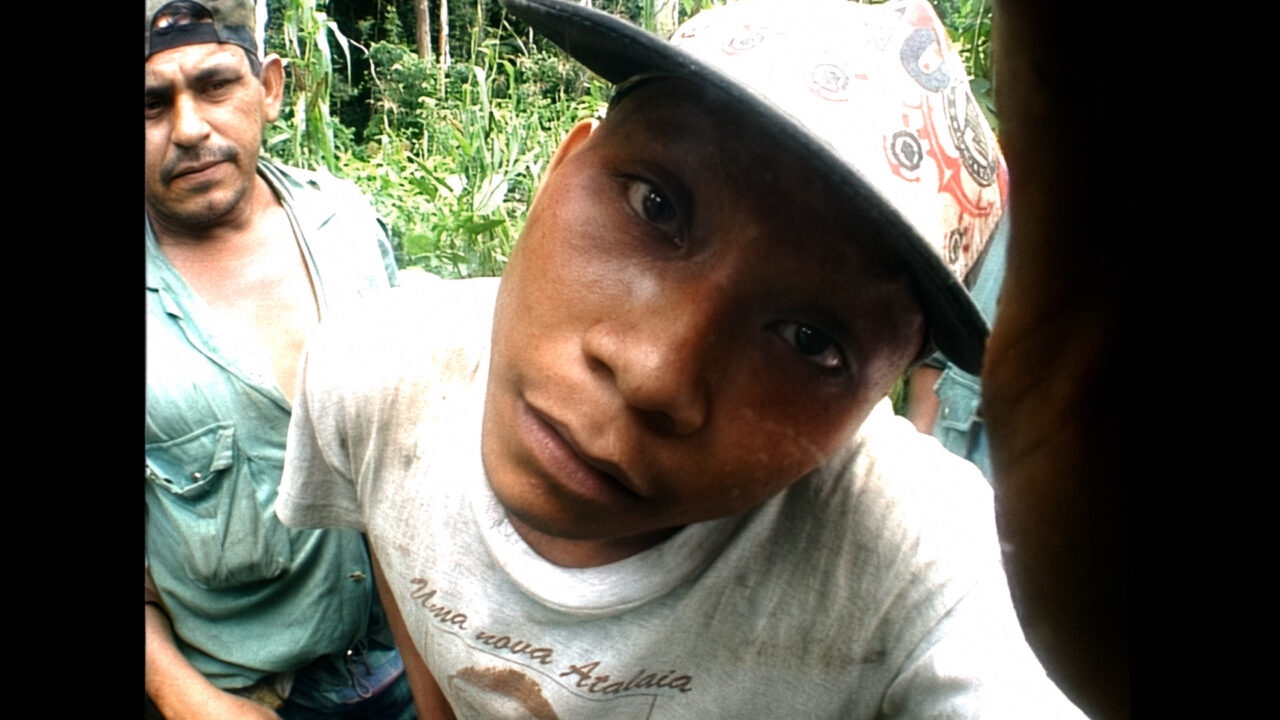
A new documentary titled Amazomania is set to debut on March 16, 2024, at the CPH:DOX, the Copenhagen International Documentary Film Festival. Directed by Swedish filmmaker Nathan Grossman, known for his previous works such as I Am Greta and Climate in Therapy, the film critically reexamines a 1996 expedition into the Amazon rainforest that resulted in the first contact with the Korubo tribe. Grossman’s exploration delves into themes of colonial legacy and the portrayal of indigenous peoples through what he describes as the “white man’s gaze.”
The documentary is structured in two parts. The first half revisits the original footage from the 1996 journey, which was organized by Brazilian civil servant and Swedish journalist Erling Söderström. This expedition aimed to introduce outsiders to the Korubo, a tribe that has historically chosen to remain distanced from mainstream civilization. The initial footage quickly gained notoriety, presenting rare images of a community previously hidden from the world.
In contrast, the second half of Amazomania follows Söderström’s return to the tribe three decades later. This segment uncovers a significant misunderstanding regarding the original contact and highlights the tribe’s demand for rights over their narrative and compensation for past interactions. The CPH:DOX website describes the film as “a complex study in documentary method and ethics,” emphasizing its confidence in the audience’s ability to engage with its critical themes.
Grossman, who also contributed to the film’s cinematography alongside Söderström and Diego Lajst, collaborated with editor Jordana Berg to present a narrative that invites viewers to reflect on the implications of “discovery.” The film’s synopsis explains that it “forces the re-examination of the contact and the implications that followed,” while also exposing the long-term repercussions for the Korubo.
As Grossman worked on the documentary, he sought to understand the views of the Korubo tribe regarding their portrayal in the original footage. He engaged with anthropologists and some members of the Korubo community, aiming to incorporate their perspectives into the film. This approach is designed to foster a more nuanced understanding of how indigenous communities interact with Western media.
The director noted an interesting dynamic in the original footage: the Korubo initially mistook the camera for a weapon. Grossman states, “This film is not an anthropological study of the Korubo community; rather, it addresses the Western fascination with adventure and the implications of that gaze.”
The early reactions to Amazomania have been positive, with audiences expressing enthusiasm for the adventure narrative before the film shifts focus to the voices of the Korubo. This transition prompts viewers to reconsider their own perspectives on the imagery presented.
Grossman emphasizes the importance of addressing complex ideas, such as reparations, through a cinematic lens. He argues that film can make these intellectual concepts more accessible and relatable. The documentary aims to provoke thought about the ethical considerations surrounding interactions with isolated communities, especially in the context of climate change and potential future encounters.
Despite the challenges of portraying a community with such a unique history, Grossman hopes that Amazomania will stand the test of time. He envisions a future where the Korubo community will have the rights to their own narrative and be able to produce their own films about their experiences.
While not all members of the Korubo tribe have seen the film, representatives from different ages and genders have viewed it, contributing to the final edit. This collaborative approach ensures that their perspectives are represented accurately.
The title Amazomania reflects a broader fascination with the Amazon and the adventure it represents, capturing the essence of both the original expedition and the contemporary critique of such narratives. Grossman notes that the title emerged late in the project, symbolizing the complex interplay of curiosity and ethical responsibility that the film seeks to address.
As the documentary prepares for its premiere, it stands as a significant contribution to discussions surrounding colonialism and the representation of indigenous peoples in media. The hope is that it will pave the way for more responsible engagement with such narratives in the future.