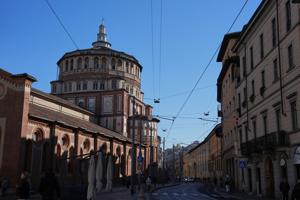
The Dominican convent of Santa Maria delle Grazie in Milan continues to be a hub of spiritual life, even as it attracts visitors drawn to Leonardo da Vinci’s masterpiece, The Last Supper. Despite the fame of the refectory, which has been transformed into a museum, a small community of friars remains committed to their religious duties and welcoming pilgrims and tourists alike.
Founded in the late 15th century, Santa Maria delle Grazie is not only renowned for its artwork but also for its enduring monastic tradition. The Dominican friars who reside here maintain a lifestyle centered on prayer and communal living, providing a unique contrast to the bustling influx of visitors seeking to appreciate da Vinci’s iconic painting.
Community Life Amid Artistic Legacy
The friars engage in daily prayers and religious services, offering a glimpse into the contemplative life that has persisted for centuries. They also host guided tours, sharing insights about the history and significance of both the convent and the painting. According to the Italian Ministry of Culture, Santa Maria delle Grazie has been recognized as a UNESCO World Heritage Site, further highlighting its cultural importance.
In recent years, the convent has adapted to changing circumstances, particularly during the COVID-19 pandemic, when visitor numbers plummeted. The friars utilized this time to enhance their community outreach, focusing on spiritual support for both locals and visitors. They have emphasized the importance of maintaining a welcoming atmosphere, even in challenging times.
Preserving Heritage and Spirituality
The Dominican friars view their presence at Santa Maria delle Grazie as both a duty and a privilege. They are dedicated to preserving the spiritual essence of the convent while also acknowledging the significance of the artistic treasure housed within its walls. This dual commitment enriches the experience for visitors, who can appreciate not only the artistry of The Last Supper but also the living history of the convent.
As tourism resumes, the friars expect an increase in foot traffic, bringing both opportunities and challenges. They remain focused on fostering a peaceful environment, allowing visitors to reflect on the deeper meanings behind the artwork and the space itself.
The friars’ commitment to their dual role as spiritual guides and custodians of a world-renowned art piece exemplifies the convergence of faith and culture. Through their efforts, the Dominican convent of Santa Maria delle Grazie continues to thrive, maintaining its legacy as a place of worship and a significant cultural landmark in Milan.