One of Ecuador’s most notorious drug traffickers, **Wilmer ‘Pipo’ Chavarria**, was arrested in **Malaga, Spain**, on March 10, 2024. This significant capture occurred four years after he allegedly faked his own death amid the COVID-19 pandemic. Authorities claim Chavarria continued to manage a drug trafficking operation remotely during this time.
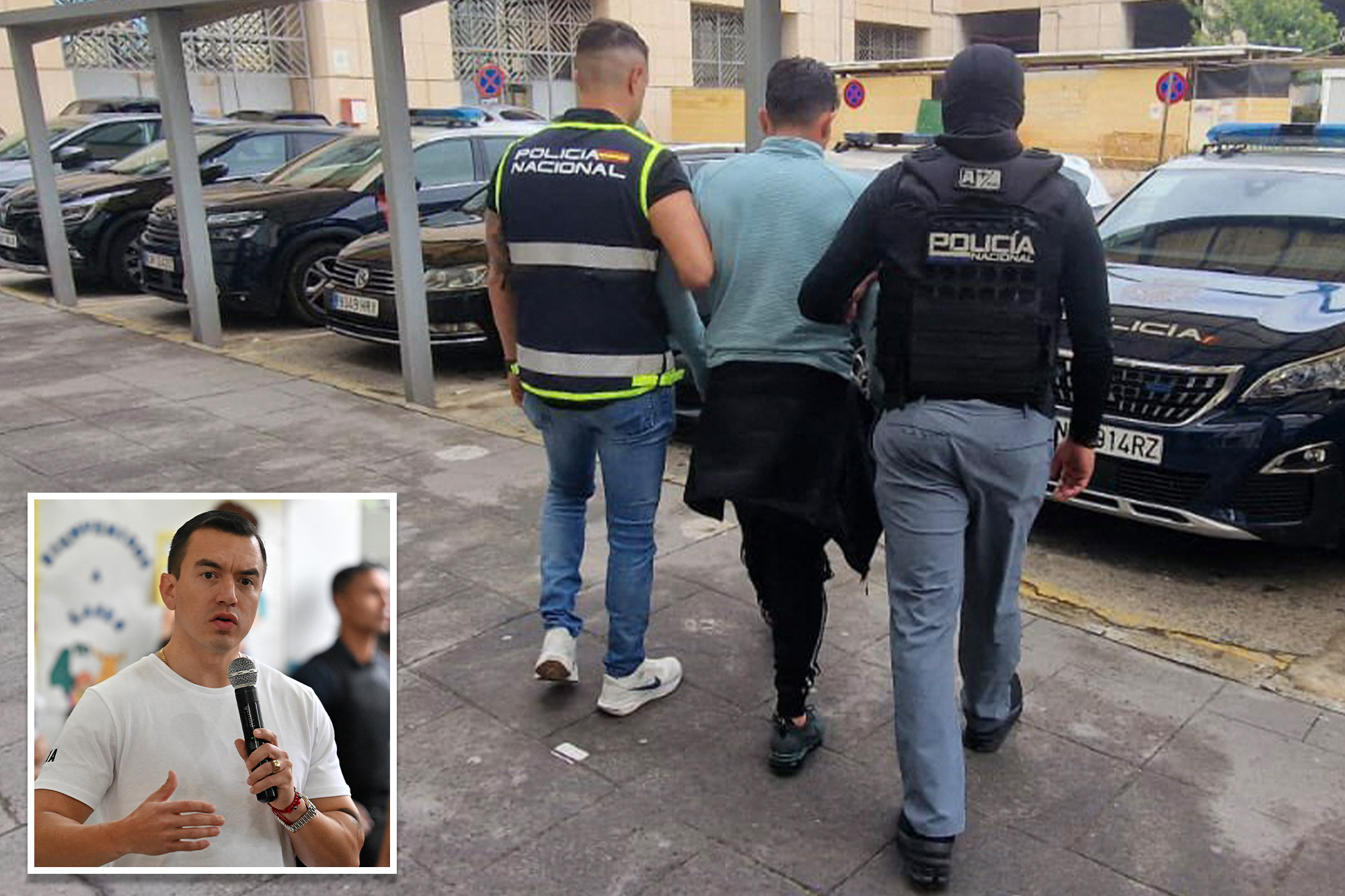
Chavarria, who is believed to be the leader of the criminal organization known as **Los Lobos** or “The Wolves,” was apprehended in a coordinated effort between Spanish and Ecuadorian police. Images released by Spain’s National Police show Chavarria being escorted to a patrol vehicle while dressed in a black-and-green tracksuit.
Los Lobos has garnered a fearsome reputation, boasting a reported **8,000 members** and being classified as a terrorist organization by the **United States** in September 2023. The group has been implicated in political assassinations in Ecuador and is thought to collaborate closely with Mexico’s **Jalisco New Generation Cartel**.
According to **Ecuadorian President Daniel Noboa**, Chavarria managed to evade capture by faking his death in 2021, when his family claimed he suffered a heart attack due to COVID-19. While in hiding, he allegedly orchestrated drug shipments, ordered killings, and oversaw illegal mining operations. In a post on social media, Noboa emphasized the importance of the joint operation, stating, “Some wrote him off as dead; we hunted him down in his very own hell. That’s the difference when there’s the will to fight for your country.”
Impact of Drug Trafficking in Ecuador
Ecuador has witnessed a troubling surge in violence and crime in recent years, reversing its earlier status as one of the more peaceful nations in **South America**. Drug trafficking gangs have been linked to numerous violent incidents, including attacks on political candidates, municipal officials, and journalists. These criminal organizations vie for control of key ports that serve as crucial transit points for cocaine produced in neighboring Colombia and Peru.
Chavarria’s arrest coincides with a pivotal moment in Ecuadorian politics, as citizens voted on the same day to reject a proposal allowing foreign countries to operate military bases within the nation, which has a population of approximately **18 million**. This proposal was supported by President Noboa, who argued that such measures are essential for enhancing anti-drug cooperation with international partners, particularly the United States.
In light of the escalating drug-related violence, Noboa has been vocal about the necessity of international collaboration to dismantle transnational criminal networks. After casting his ballot, he stated, “International cooperation is the only way to dismantle these drug trafficking groups.”
As Ecuador grapples with increasing security challenges, the arrest of a key figure like Chavarria signals a critical development in the ongoing fight against drug trafficking and organized crime. Noboa’s administration continues to seek solutions to restore peace and stability in a nation facing unprecedented challenges.