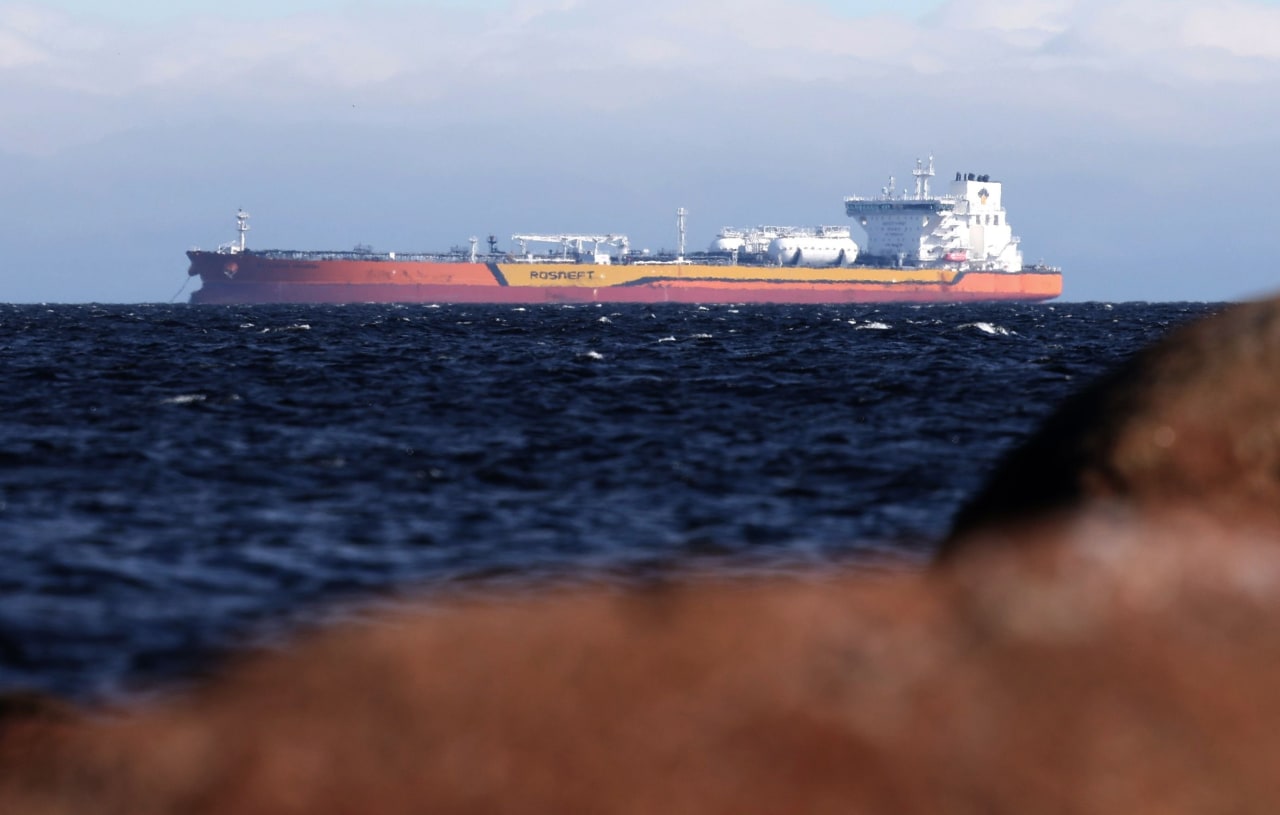
The European Union has imposed sanctions on two prominent Russian oil traders, marking a significant escalation in efforts to disrupt the funding of Moscow’s military activities in Ukraine. This decisive action is part of a broader strategy to target clandestine markets that have been essential in financing the ongoing conflict.
Impact of the Sanctions
The traders, identified as major players in the oil sector, have been instrumental in facilitating the sale of Russian oil despite existing sanctions. The European Union’s decision to include them in its latest round of sanctions was prompted by their perceived roles in circumventing previous restrictions and contributing to Russia’s war efforts.
According to EU officials, the sanctions come as part of a concerted effort to weaken Russia’s economic capabilities. The bloc has reported a growing concern that the profits generated from oil sales are directly supporting military operations in Ukraine. With oil being one of Russia’s largest exports, cutting off access to these traders could significantly impact the Kremlin’s financial resources.
The sanctions are expected to restrict the traders’ ability to access European financial markets and freeze any assets they hold within the EU. This move aligns with the bloc’s ongoing commitment to support Ukraine while applying economic pressure on Russia.
Broader Context of EU Sanctions
This latest action is not an isolated incident but rather part of a series of sanctions introduced by the EU since the start of the conflict in Ukraine. Since February 2022, the EU has taken steps to limit Russia’s energy exports, which are vital to its economy. In total, the EU has imposed sanctions on numerous individuals and entities linked to the Russian oil trade.
The European Union has emphasized its objective of holding those accountable who are directly or indirectly involved in the conflict. The sanctions against these traders are expected to have a ripple effect throughout the industry, encouraging other nations and companies to reconsider their dealings with Russian entities.
As the conflict continues, the EU’s resolve to impose sanctions remains firm. Officials have indicated that further measures could be introduced if Russia persists in its aggression towards Ukraine. The EU’s actions reflect a broader international consensus on the need to address the challenges posed by Russia’s military ambitions.
The impact of these sanctions will be closely monitored, with analysts predicting potential shifts in the global oil market as traders and countries adjust to the new realities.