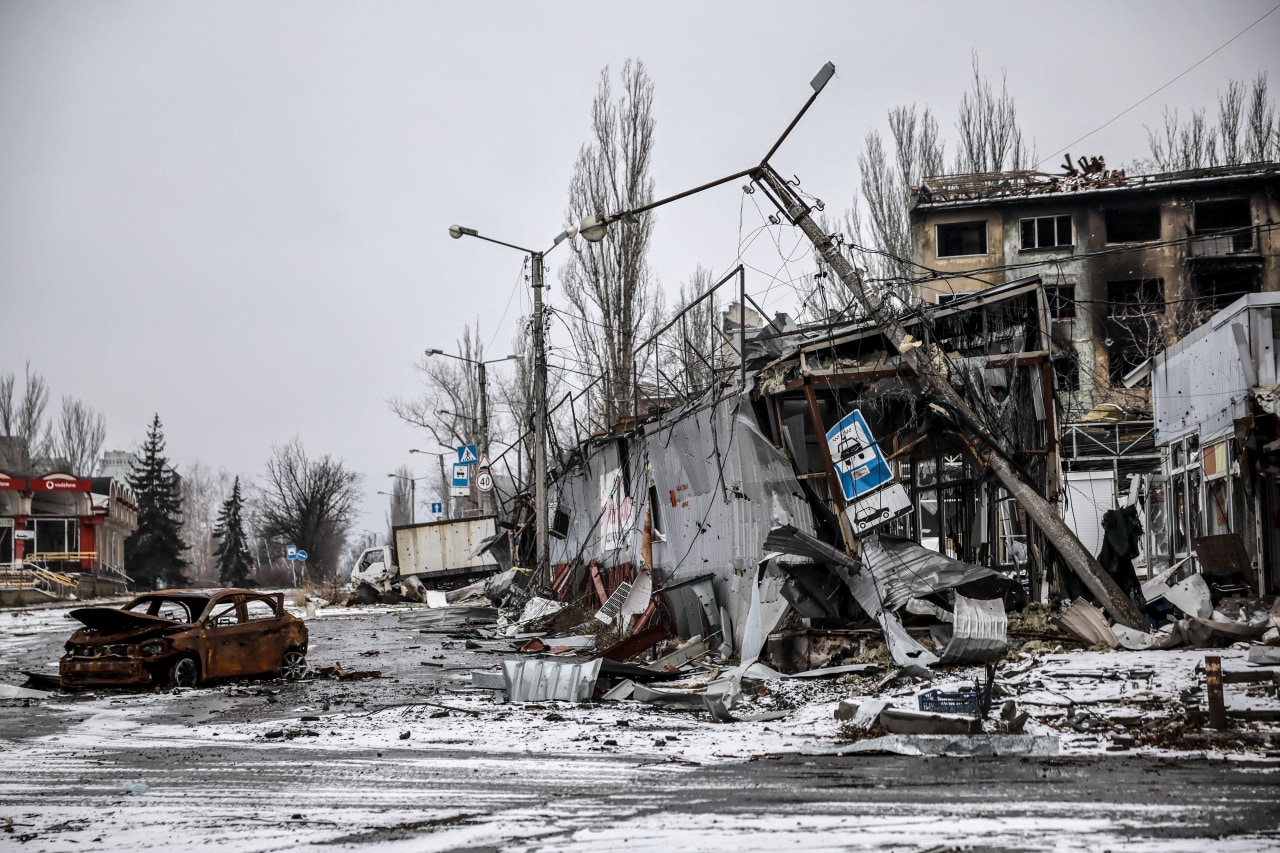
The European Union is currently grappling with the contentious issue of Russian assets frozen under international sanctions. As the conflict in Ukraine persists, discussions are intensifying about whether to release these assets, which are estimated to be worth around €300 billion. This debate raises critical questions regarding economic strategy and ethical responsibility.
Many European leaders are considering the implications of maintaining these sanctions against Russian President Vladimir Putin and his regime. On one side, some argue that keeping the assets frozen serves as a vital tool in holding Russia accountable for its actions in Ukraine. Conversely, others suggest that the funds could be used to support Ukraine’s recovery and rebuild its economy after the devastating impacts of the ongoing war.
Economic Considerations and Humanitarian Aid
The financial ramifications of the frozen assets are significant. According to a report from the European Central Bank, releasing a portion of these funds could inject much-needed liquidity into the European economy, which has faced challenges due to inflation and energy costs. Additionally, there is a growing sentiment that these resources could assist with humanitarian aid efforts in Ukraine, where the need for reconstruction is urgent.
Supporters of releasing the assets argue that doing so could help stabilize the region and demonstrate a commitment to rebuilding Ukraine. U.S. Treasury Secretary Janet Yellen stated in a recent speech that it’s crucial to explore options that allow for the use of these assets to benefit those affected by the war. This perspective aligns with calls from various international organizations advocating for humanitarian support.
Critics counter that releasing these assets could undermine the effectiveness of sanctions and signal a weakening of resolve against Russian aggression. They warn that it may set a precedent that allows authoritarian regimes to escape accountability for their actions.
Political Dynamics and Future Implications
The debate over Russia’s frozen assets is also deeply intertwined with broader geopolitical dynamics. The European Union, along with allies such as the United States, has imposed various sanctions since the onset of the conflict in February 2022. These measures were intended to isolate Russia economically and exert pressure on its government.
As discussions progress, European leaders are weighing the potential fallout from either decision. Should they choose to release the assets, it could lead to backlash from member states that favor a tougher stance against Russia. Conversely, maintaining the freeze could strain relations with countries advocating for more humanitarian support for Ukraine.
The outcome of these discussions will likely have far-reaching consequences, not only for Europe but for global security and economic relations. The situation remains fluid, with ongoing evaluations of both the humanitarian needs in Ukraine and the geopolitical landscape influenced by Russia’s actions.
In summary, the European Union is at a crossroads regarding frozen Russian assets. Balancing the need for humanitarian aid with the imperative to hold Russia accountable presents a complex challenge. As leaders deliberate, the implications of their decisions will resonate well beyond the immediate conflict, shaping the future of international relations and economic stability.