The United States Air Force (USAF) maintains a diverse network of air bases, ranging from expansive installations to smaller, strategically significant locations. While major bases like Eglin and Nellis Air Force Bases typically dominate conversations around US airpower, several smaller bases also play crucial roles in supporting various military missions. This article examines five of the smallest active airbases within the USAF, all of which feature operational runways and serve distinct functions.
Grand Forks Air Force Base: A Quiet Transition
Located in North Dakota, Grand Forks Air Force Base has seen a significant shift in its operational role since its days as a bustling hub for the Strategic Air Command (SAC). Once home to squadrons of Boeing B-52 bombers, the base transitioned to an air refueling mission in the late 1970s. Currently, the 319th Reconnaissance Wing oversees operations at Grand Forks, focusing primarily on remotely piloted aircraft (RPA) and intelligence, surveillance, and reconnaissance (ISR) missions.
The transition to RPA operations has led to a dramatic reduction in daily flight activity. Although the base retains its long runway and expansive airfield infrastructure, it operates with minimal manned aircraft. This evolution illustrates how an airbase can maintain its runway while its aviation relevance diminishes, reflecting the growing trend toward remote and digital operations within the Air Force.
Altus Air Force Base: Training for Heavy Operations
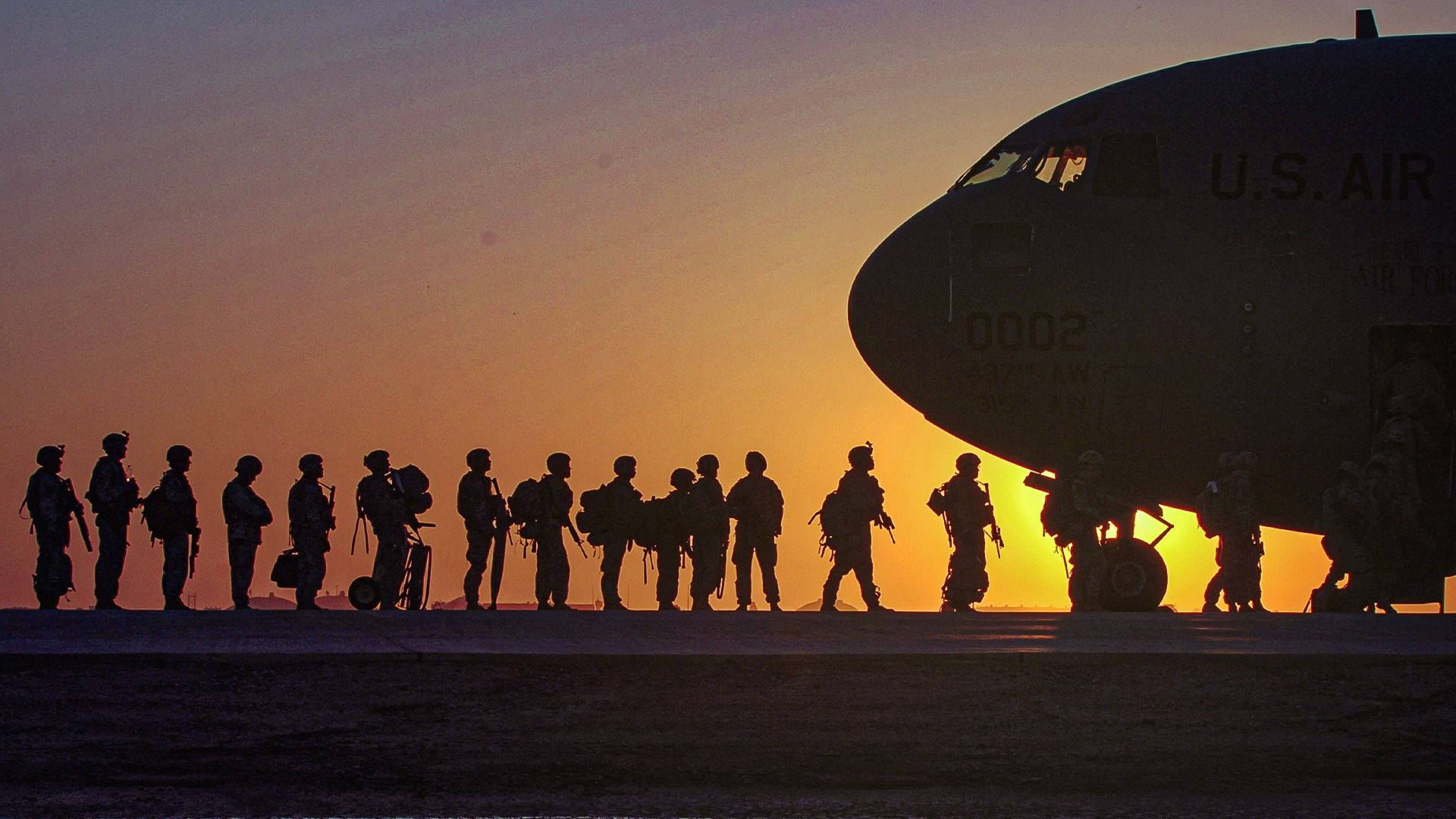
In southwestern Oklahoma, Altus Air Force Base serves as a vital training ground for air mobility crews. Home to the 97th Air Mobility Wing, the base operates C-17 Globemaster III and KC-46 Pegasus aircraft. Despite hosting some of the Air Force’s largest aircraft, Altus remains operationally compact compared to larger global airlift hubs such as Dover Air Force Base.
Training at Altus focuses on airlift operations and aerial refueling, with predictable flight schedules that allow for multiple training cycles each day. The base features two primary runways and a limited ramp space, emphasizing efficient training rather than continuous deployment. This setup allows Altus to effectively support heavy aircraft while maintaining a quiet operational environment.
Columbus Air Force Base: A Hub of Pilot Training
Columbus Air Force Base in Mississippi is dedicated primarily to pilot training. The base operates a limited airfield with modest infrastructure compared to larger multi-mission bases. The 37th and 41st Flying Training Squadrons utilize the T-6A Texan II for primary flight training, while the 48th and 49th Flying Training Squadrons focus on advanced jet training with the T-38C Talon.
The base’s design facilitates high-frequency aircraft movements while maintaining an organized and efficient environment. Columbus Air Force Base exemplifies how a smaller installation can generate significant aviation activity through structured training and precise operations.
Laughlin Air Force Base: Focused Training Environment
Located in Del Rio, Texas, Laughlin Air Force Base is renowned for its concentrated pilot training programs. Unlike larger installations, Laughlin’s compact footprint is tailored specifically for undergraduate pilot training. The 47th Flying Training Wing conducts Specialized Undergraduate Pilot Training (SUPT) using the T-6A Texan II and T-38C Talon aircraft.
Despite a limited number of aircraft, Laughlin maintains a high sortie tempo, with dozens of flights conducted daily. The base’s efficient operations demonstrate that a small airfield can support rigorous training schedules without the need for expansive infrastructure, showcasing the effective utilization of space and resources.
Cannon Air Force Base: Complex Special Operations
Cannon Air Force Base in eastern New Mexico stands out due to its unique missions focused on special operations. Home to the 27th Special Operations Wing, Cannon supports a variety of aircraft, including the Bell Boeing CV-22B Osprey and the AC-130J Ghostrider. The base operates two runways that accommodate its diverse mission profiles, ranging from aerial refueling to close air support.
Although Cannon’s footprint is relatively modest, it plays an essential role in executing complex and technically demanding operations. The base’s ability to conduct night operations and specialized missions highlights the importance of maintaining flexibility and precision, underscoring that smaller installations can have a significant impact on overall military effectiveness.
In conclusion, while the largest USAF bases often capture public attention, the smaller installations detailed above play vital roles in a range of military operations. Their strategic importance is evident, demonstrating that size does not always correlate with capability or impact. These bases adapt to changing mission requirements while maintaining operational readiness, ensuring they remain integral components of the USAF’s overarching strategy.