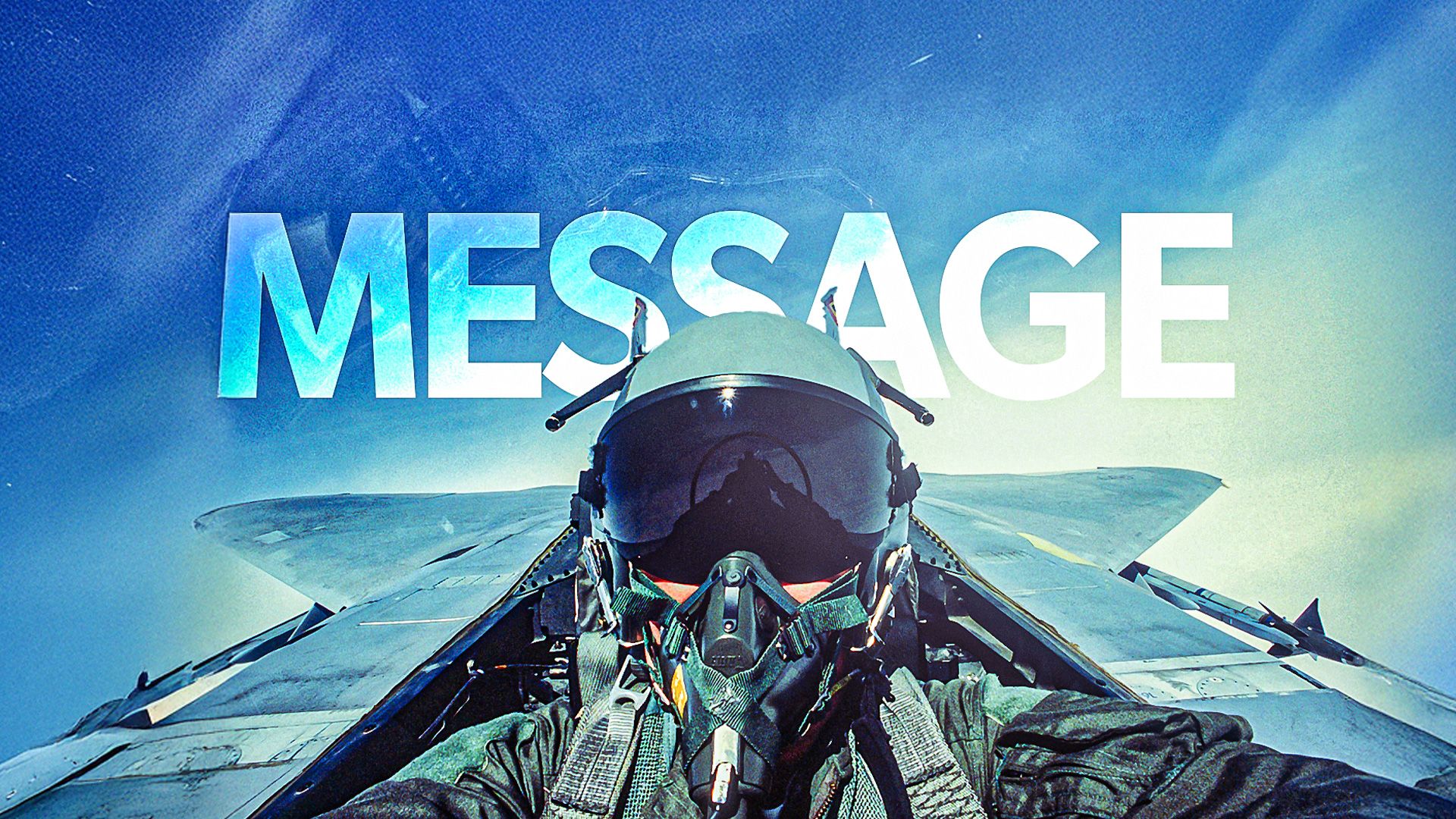
The United States Air Force is advancing its capabilities with the introduction of the F-15EX Eagle II, a modernized variant of the classic F-15 Eagle. Critics argue that this aircraft represents a step backward in stealth technology compared to next-generation fighters like the F-35 Lightning II and the F-22 Raptor. Nevertheless, proponents contend that the F-15EX fills critical operational gaps and enhances the Air Force’s overall effectiveness as it integrates advanced systems.
The F-15EX Eagle II is equipped with state-of-the-art capabilities that deliver significant advantages in various combat scenarios. With a robust payload capacity, including the potential for hypersonic munitions still in development, the F-15EX is positioned as an essential asset for modern battlefield operations. Its speed, advanced sensors, and versatility enable the Air Force to adapt quickly to evolving threats. The aircraft can perform multiple roles, such as escorting tankers, bolstering homeland defense, and supporting fifth-generation jets by identifying and engaging enemy targets.
Understanding the Evolution of the F-15 Series
To appreciate the significance of the F-15EX, one must first consider the storied history of the F-15 Eagle. Originally developed by McDonnell Douglas, the F-15 Eagle was designed in the late 1960s to restore U.S. air dominance. The aircraft made its maiden flight in 1972 and entered operational service in 1976. Engineered around the principles of energy-maneuverability, the F-15 offered superior thrust and reduced drag, allowing it to excel in both vertical and horizontal engagements.
Equipped with two Pratt & Whitney F100 turbofan engines, the F-15 achieved a thrust-to-weight ratio exceeding one, providing rapid acceleration and exceptional climb rates. Its combat record is impressive, featuring over 100 air-to-air victories without a single confirmed loss. This legacy has established the F-15 as a symbol of air superiority, utilized by the U.S. and allied forces in various conflicts, including the Gulf War and ongoing operations in the Middle East.
The F-15 Eagle’s primary mission was to secure and maintain air superiority. This involved deterring enemy aircraft and ensuring that friendly forces could operate without interruption. The aircraft’s powerful radar and advanced missile systems allowed pilots to engage threats effectively while maintaining control of the airspace.
The Strategic Role of the F-15EX Eagle II
The F-15EX Eagle II is designed to complement stealth aircraft rather than replace them. While the F-35 and F-22 focus on finding and fixing targets, the F-15EX serves as a highly capable weapons delivery platform. Its long-range capabilities and speed make it ideal for homeland defense, counter-air operations, and protecting high-value assets.
According to Air and Space Forces Magazine, the F-15EX features a maximum takeoff weight of 81,000 lb and can carry a substantial number of munitions, including air-to-air and air-to-surface weapons. This capability enhances the Air Force’s ability to project power and maintain deterrence without overwhelming reliance on stealth platforms.
The F-15EX’s modern digital infrastructure, including fly-by-wire controls and advanced avionics, allows for rapid integration of next-generation technologies. This adaptability ensures the aircraft remains viable against contemporary and future threats.
Procurement of the F-15EX is structured around a 10-year contract, enabling the U.S. Air Force to place multi-lot orders while controlling unit costs. Initial contracts were valued at approximately $1.2 billion for the first eight jets, resulting in a flyaway cost of $90-$97 million per aircraft. The Air Force plans to acquire a fleet of around 104 aircraft, with ongoing development and upgrades scheduled for 2025.
Operating costs for the F-15EX are estimated at around $29,000 per flight hour, leveraging existing infrastructure to mitigate expenses associated with training and conversion. This cost-effectiveness positions the F-15EX as a major investment for the Department of Defense, particularly as Congress outlines plans for additional aircraft in 2026.
As the U.S. Air Force navigates the complexities of modern warfare, the F-15EX Eagle II stands to play a critical role in ensuring air superiority. Its combination of advanced capabilities, operational flexibility, and integration with existing platforms makes it a vital asset in the evolving landscape of aerial combat.
In summary, while some critics may question the F-15EX’s stealth capabilities, the aircraft’s immediate operational advantages and historical significance underscore its importance in maintaining U.S. air dominance well into the future.