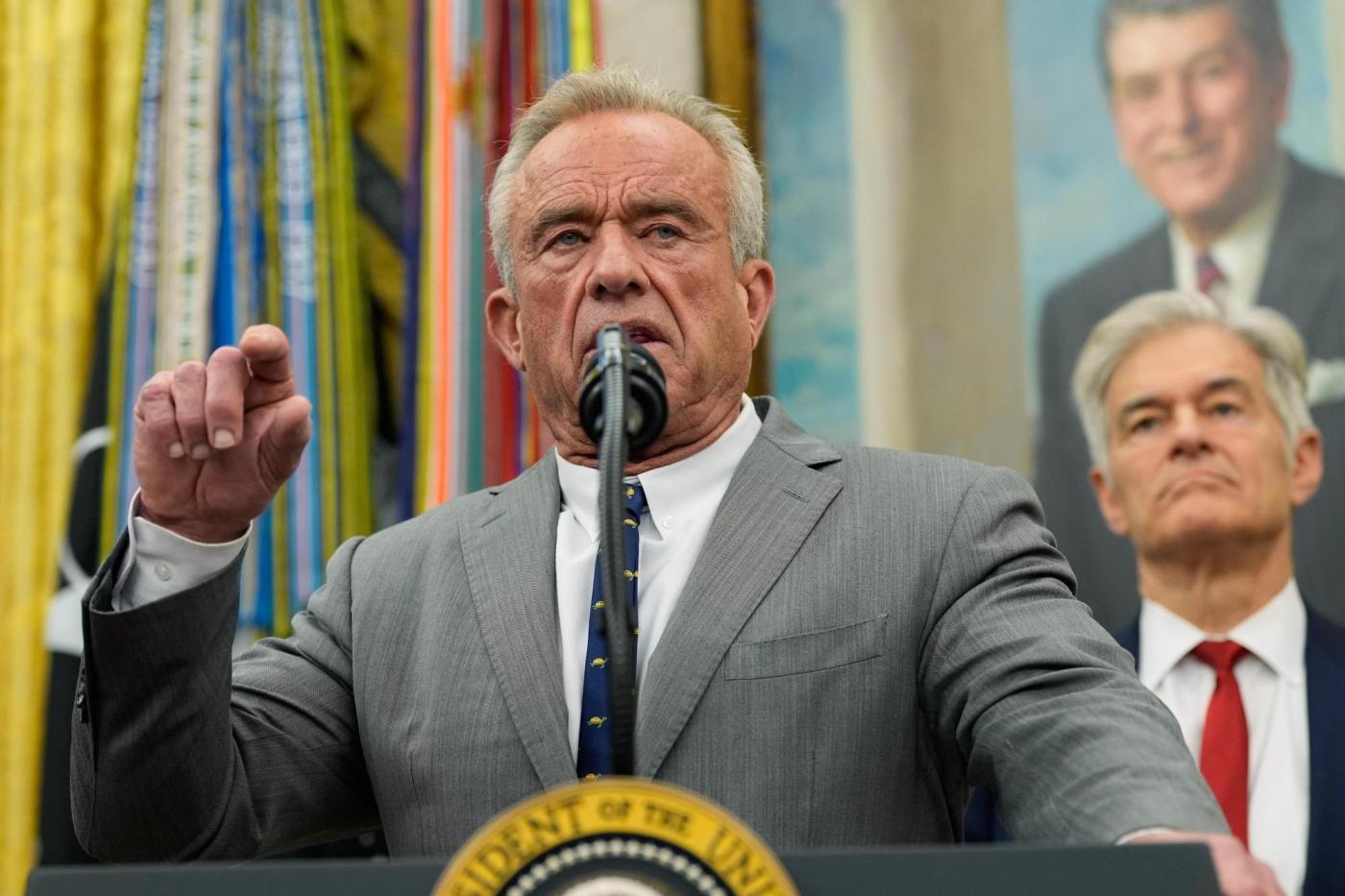
The U.S. Food and Drug Administration (FDA) has announced a significant plan aimed at reducing the cost of prescription drugs in the United States. During a press conference on Wednesday, Health and Human Services Secretary Robert F. Kennedy Jr. explained that the initiative focuses on making biosimilar medications more accessible and affordable. These lower-cost alternatives to biologic drugs are designed to treat serious health conditions and are expected to alleviate some of the financial burden on patients.
Kennedy emphasized the FDA’s commitment to cutting through bureaucratic hurdles, stating, “We’re cutting unnecessary red tape, reducing uncertainty and making it easier for innovators to bring the safe, affordable biosimilars to the market.” He noted that, on average, biosimilars cost approximately 50% less than their brand-name counterparts, and their introduction into the market can drive down brand-name prices by an additional 25%.
Reforms to Accelerate Biosimilar Development
The announcement aligns with the broader objectives of the Trump administration to make healthcare more affordable. Kennedy described the new biosimilar reforms as a continuation of President Donald Trump‘s directive to lower drug prices for the American public. “Biologics treat many chronic diseases, but for too long, a burdensome approval process has kept patients from accessing more affordable biosimilars,” he stated.
The FDA has issued new draft guidance for biosimilar developers, which reflects modern scientific understanding and aims to streamline the approval process. According to the FDA, these changes will simplify biosimilarity studies and reduce what they term unnecessary clinical testing. The agency is also exploring initiatives to enable biosimilars to be approved as interchangeable with their brand-name counterparts, which could facilitate quicker access to these lower-cost options for patients and pharmacists alike.
Marty Makary, FDA Commissioner, joined Kennedy at the press conference, asserting, “Biosimilars are often far more affordable to patients and have the promise to significantly lower health care costs in America.” He added that improving the biosimilar development process and advancing interchangeability could result in substantial cost reductions for advanced treatments for various conditions, including cancer and autoimmune diseases.
Context of Drug Pricing in the U.S.
This announcement follows President Trump’s executive order issued in May 2023, which aims to reduce prescription drug prices by 30% to 80%. The executive order seeks to enforce a “most-favored nation” pricing policy, ensuring that Americans do not pay more for brand-name drugs than the lowest prices available in other countries with similar economic conditions.
Trump has previously criticized the U.S. drug pricing system, highlighting that Americans often pay five to ten times more for medications compared to other nations, despite the drugs being manufactured in the same facilities. He labeled the current pricing structure as “unfair,” claiming that American citizens are being “ripped off” by pharmaceutical companies.
As part of this initiative, the Trump administration has reached agreements with companies like Pfizer and AstraZeneca to provide discounts on prescription medications. AstraZeneca has also agreed to feature its top drugs on TrumpRx, a new platform that allows consumers to purchase medications directly from manufacturers.
The FDA’s latest actions represent a concerted effort to address high drug costs and expand access to essential medications for millions of Americans. As these reforms take shape, the healthcare landscape in the United States may see significant changes in affordability and accessibility.