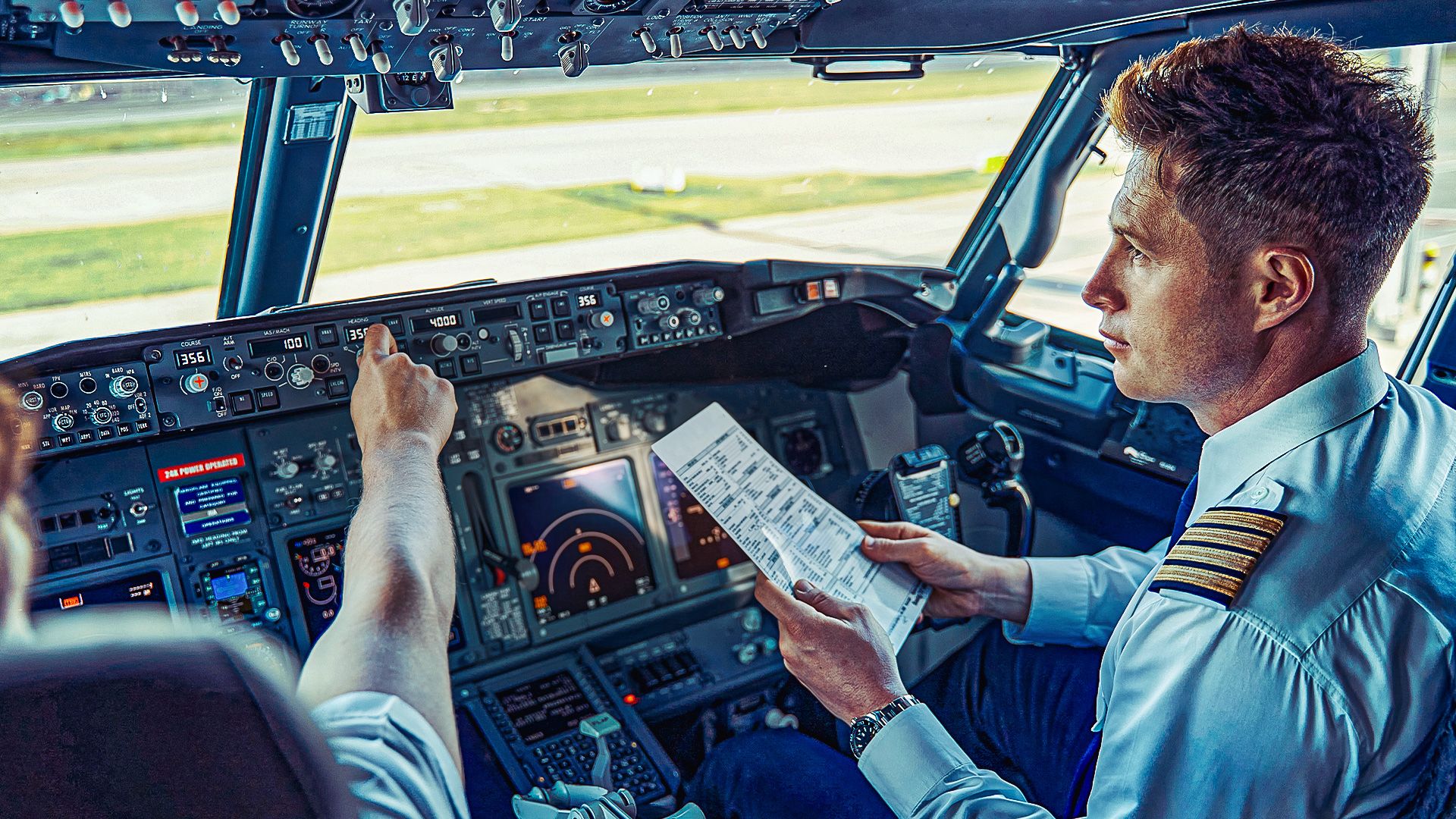
The salaries of first officer pilots in the United States are experiencing a remarkable surge in 2025, driven by a growing demand for commercial pilots and significant changes within the aviation industry. According to the US Bureau of Labor Statistics, the median pay for commercial pilots reached an impressive $198,100 per year as of May 2024, significantly higher than the national median wage of $49,500. This escalation emphasizes the lucrative nature of a career in aviation, especially among the “big three” airlines: American Airlines, Delta Air Lines, and United Airlines.
As the industry evolves, understanding the distinctions between pilot ranks becomes essential. Captains, known as the “pilot in command,” hold ultimate responsibility for flight operations and decision-making. Their extensive training and experience enable them to manage risks effectively, a critical factor in passenger safety. In contrast, first officers, who are generally less experienced, assist in these operations but do not carry the same level of authority. This hierarchy is reflected in salary disparities, with first officers earning significantly less than their captain counterparts.
Understanding First Officer and Captain Salaries
The salary structure for pilots varies considerably based on several factors, including experience, the airline, and geographical location. A first officer at a regional airline can expect to earn between $55,000 and $80,000 annually, while those at major airlines earn substantially more, with salaries ranging from $120,000 to $160,000. In contrast, regional airline captains make between $85,000 and $120,000, while their counterparts at major airlines can earn upwards of $200,000.
To attain these higher salary brackets, pilots typically need over 5,000 flight hours and at least six years of experience, including long-haul operations. The increasing responsibilities of pilots, particularly captains, justify these higher wages, reflecting the critical nature of their role in ensuring flight safety.
Compensation Structure and Influencing Factors
Unlike many professions, airline pilots are not compensated with a fixed salary. Instead, they earn an hourly wage based on flight hours, which means they are paid only when the aircraft is in operation. Most airlines guarantee a minimum monthly payment to protect pilots against fluctuations in flight schedules due to cancellations. Generally, full-time pilots are expected to fly between 70 and 85 hours per month, limited to 1,000 hours annually. With ongoing pilot shortages, some airlines are offering up to 300% above the hourly wage for overtime to fill gaps and prevent flight cancellations.
Additionally, pilots receive a per diem to cover expenses when away from their home base, addressing costs such as meals during trips. Airlines also provide benefits like sign-on bonuses, insurance, retirement plans, and flight discounts, all of which are becoming increasingly vital in attracting and retaining talent amid looming shortages.
Several factors further determine a pilot’s total salary. Employment history plays a significant role; loyalty to an airline can lead to higher pay for long-term pilots. The type of aircraft also influences earnings. For example, a first officer with three years of experience flying a Boeing 737 might earn $161 per hour, while one flying a Boeing 777 could earn $198 per hour.
Moreover, the strength of pilots’ unions in the US can greatly affect salary negotiations and benefits, ensuring competitive compensation levels. Salaries for pilots in the United States tend to be among the highest globally, although regional economic conditions can vary widely.
In comparison, pilots in Europe generally earn less than their US counterparts. In Asia, particularly in China, salaries can be exceptionally high, ranging from $300,000 to $500,000 annually due to rapid industry growth. The Middle East also offers competitive salaries, averaging between $100,000 and $200,000, often tax-free, making it an attractive market for pilots.
The decision to pursue a career as a pilot remains complex. It is a lifestyle choice that involves irregular hours, variable flight schedules, and the potential for fatigue due to jet lag. Pilots typically receive their schedules monthly and may have opportunities to bid on preferred routes as they gain seniority.
After completing flight school and obtaining the necessary 1,500 flight hours for an Airline Pilot Certificate, many pilots begin their careers at regional airlines, such as Envoy Air or Horizon Air. With the current pilot shortages, many first officers are advancing to captain positions within just two years.
The outlook for aspiring pilots remains positive, with the US Bureau of Labor Statistics projecting a 5% increase in job opportunities for commercial pilots from 2024 to 2034. This growth is driven by the retirement of current pilots and an anticipated rise in global travel demand, resulting in a sustained need for qualified pilots. As demand continues to rise, salaries and benefits are likely to improve, ensuring a robust future for those entering the profession.