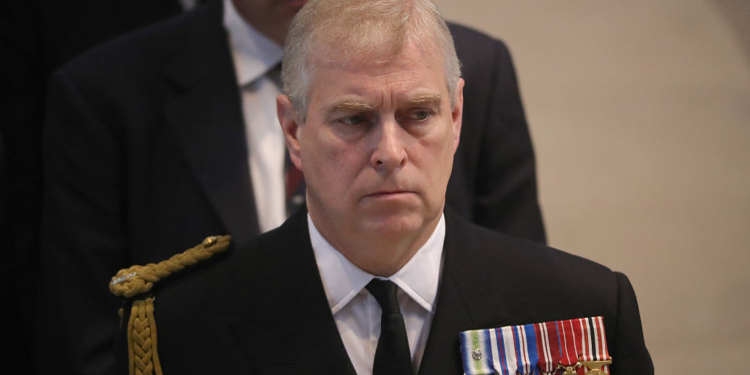
Former aides have come forward with serious allegations against Prince Andrew Mountbatten-Windsor, claiming that taxpayer funds were misused during his tenure as the United Kingdom’s trade envoy. Reports indicate that public money was allegedly spent on personal expenses, including massage services, raising concerns about oversight and accountability in government spending.
One former civil servant, speaking anonymously, revealed to the BBC that he objected to a particular bill associated with “massage services.” He stated, “I thought it was wrong… I’d said we mustn’t pay it, but we ended up paying it anyway.” This individual noted that despite his refusal to authorize the payment, senior staff overruled his objections. Reflecting on the situation years later, he expressed regret for not challenging the expense more vigorously, saying, “I can’t say it would have stopped him, but we should have flagged that something was wrong.”
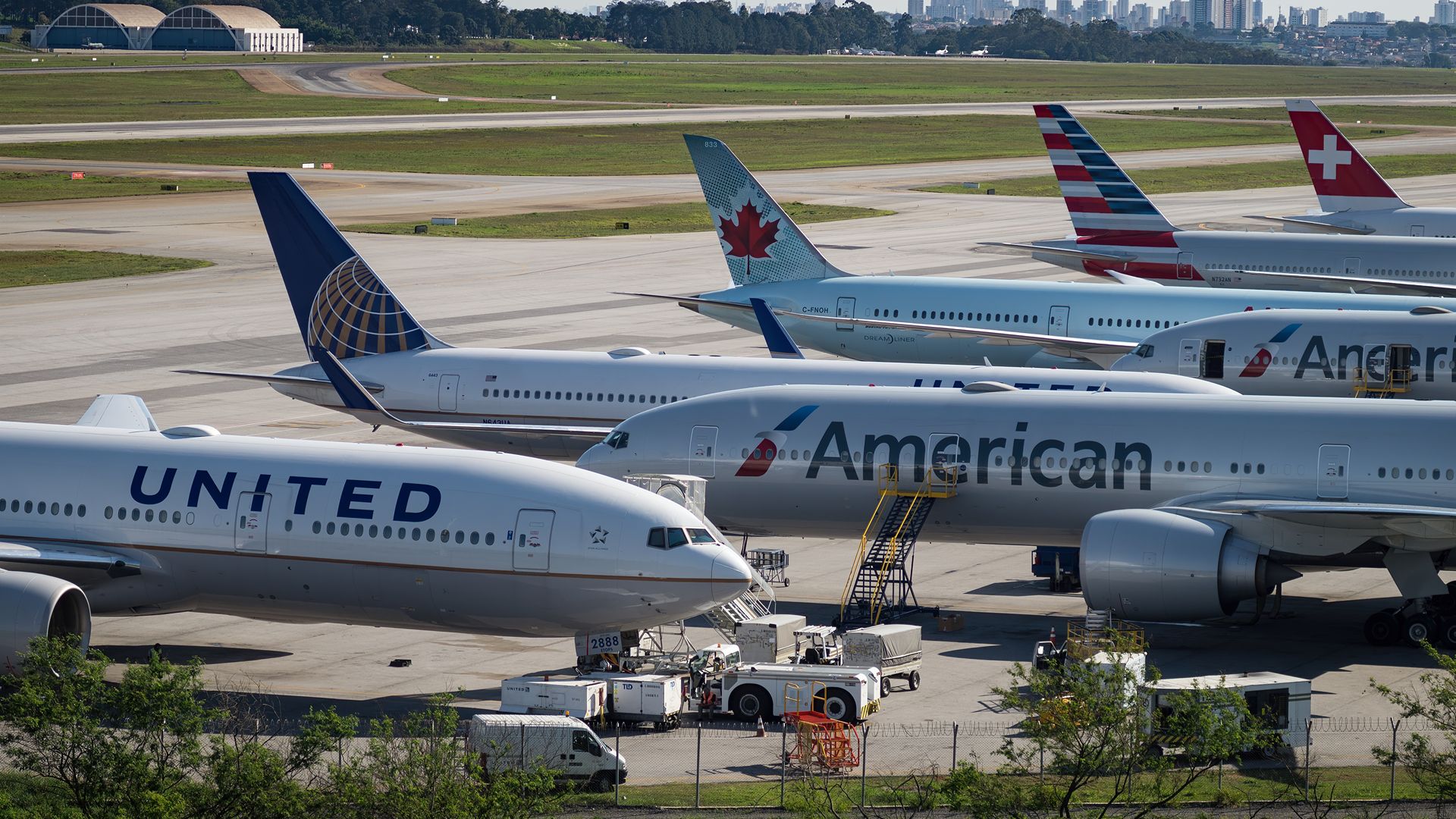
Concerns about Prince Andrew’s spending patterns were echoed by another former official from Whitehall, who described what he perceived as a trend of extravagant expenditures linked to Andrew’s official travel. According to this source, there were frequent flights, multiple hotel rooms, and accommodations for a large entourage, leading him to remark, “I couldn’t believe it… it was like it wasn’t real money, they weren’t spending any of their own money.” The official indicated that oversight was minimal, with expenditures often receiving a “rubber stamp” of approval without thorough scrutiny.
These allegations emerged shortly after Andrew was arrested on suspicion of misconduct in public office. He was detained for approximately 10 hours before being released and later photographed returning to Wood Farm, the residence where he has been staying following his departure from Royal Lodge. This investigation also includes claims that Andrew shared confidential trade information with convicted sex offender Jeffrey Epstein.
Emails released by the U.S. Department of Justice suggest that Andrew forwarded official reports from his trips, including visits to Hong Kong, Vietnam, and Singapore. One email from November 2010 was reportedly forwarded within minutes of being received, while another sent on Christmas Eve that year appeared to contain confidential briefings related to investment opportunities involving the reconstruction of Helmand Province in Afghanistan.
In addition to these financial allegations, the Metropolitan Police have acknowledged that they are investigating further connections between Andrew and Epstein. They are examining claims that London airports may have been used in relation to human trafficking and sexual exploitation.
The growing number of allegations regarding travel expenses and the sharing of sensitive information has intensified scrutiny surrounding Andrew’s role as trade envoy and the ongoing misconduct investigation. As more details emerge, the implications of these claims may have lasting repercussions on his reputation and the public’s trust in government officials.