The ongoing fuel blockade imposed by the United States is exacerbating the humanitarian crisis in Cuba, with citizens feeling the weight of restrictions on oil shipments. In Holguín, a city in eastern Cuba, residents face daily struggles as essential services collapse due to fuel shortages. Marta Jiménez, a local hairdresser, expressed her despair, stating, “You can’t imagine how it touches every part of our lives. It’s a vicious, all-encompassing spiral downward.”
With limited access to gasoline, public transportation has ground to a halt. Many residents resort to burning wood and charcoal for cooking, as the country suffers from severe electricity shortages, averaging only three to six hours of power each day. Jiménez, like many others, highlights the dire situation for families, particularly single mothers, who are finding it increasingly difficult to make ends meet.
Humanitarian Aid Amid Deepening Crisis
During a recent trip to Holguín, humanitarian groups, including CODEPINK and the Cuban-American organization Puentes de Amor, delivered 2,500 pounds of lentils to support the local community. On previous visits, they had provided powdered milk for children in hospitals. While such aid is crucial, it cannot address the larger issue at hand: the urgent need for fuel and energy to power the island’s economy.
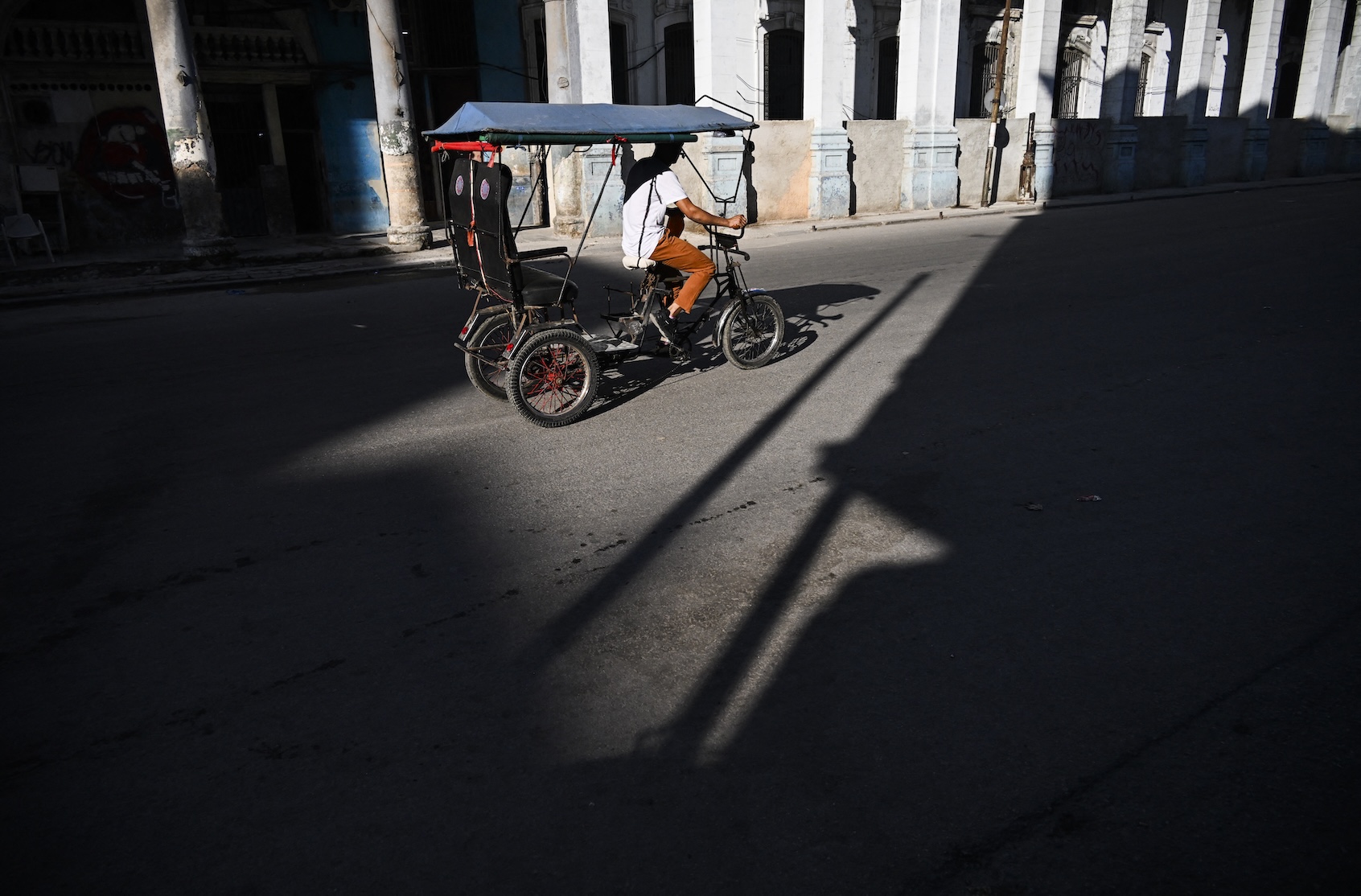
Transportation has become a challenge, with no taxis available at the airport. Many residents depend on bicycles and electric vehicles for mobility, as traditional gasoline-powered cars are increasingly rare. Javier Silva, a 35-year-old local, lamented, “I could never buy one of those on my salary of 4,000 pesos a month.” With inflation on the rise, the value of his monthly income has plummeted to less than $10.
Cuba’s economic struggles are compounded by the impact of natural disasters. Earlier this year, Hurricane Melissa devastated agricultural lands, further diminishing the country’s food supply. Replanting efforts are hampered by a lack of fuel for tractors and limited electricity for irrigation systems. As food prices soar, the most basic necessities, including pork and chicken, remain out of reach for many families.
Impact of U.S. Sanctions on Daily Life
The U.S. sanctions, originally aimed at crippling the Cuban government, have inadvertently weakened the private sector that many citizens now rely on. Factories have shut down due to electricity shortages, and skilled workers are abandoning state jobs for informal employment where they can earn more. Jorge, a former engineer now selling bologna in the market, and Verónica, a former teacher now baking sweets at home, illustrate the shifting landscape of employment.
Public sentiment towards both the Cuban government and U.S. policy is increasingly critical. Many Cubans express frustration over their government’s failures while simultaneously opposing the blockade. One man noted the stark contrast in living conditions during the thaw in U.S.-Cuba relations from 2014 to 2016. “It was the same Cuban government we have now,” he said, “but when the U.S. loosened the rope around our necks, we could breathe.”
Cubans are finding ways to adapt, relying on community support to survive. They trade goods and share resources, embodying a spirit of resilience. Daily meals provided by the government for the most vulnerable are becoming harder to sustain as food and fuel supplies diminish. An elderly volunteer at a feeding center described the lengths he goes to for firewood, holding up a piece of a wooden pallet as a symbol of hope amid struggle.
The future remains uncertain, with many unsure of how long they can endure the escalating conditions. While some express a desire for regime change, they are skeptical about the potential outcomes. One hotel clerk humorously suggested, “Make Trump the minister of tourism,” highlighting the absurdity of the situation.
Despite the dire circumstances, there is a sense of hope among the populace. Ernesto, a refrigerator repairman, believes in the enduring spirit of the Cuban people. “We’re rebels,” he asserted, recalling historical struggles against oppressive regimes. He quoted Cuban songwriter Silvio Rodríguez: “Time belongs to the small, the exposed, the forgotten.” This sentiment resonates as Cubans continue to navigate the complexities of life under a prolonged blockade.
The humanitarian impact of U.S. sanctions is profound, and the plight of the Cuban people underscores the urgent need for a reevaluation of policies affecting their daily lives. The situation in Cuba remains a pressing issue that requires attention and action from the international community.