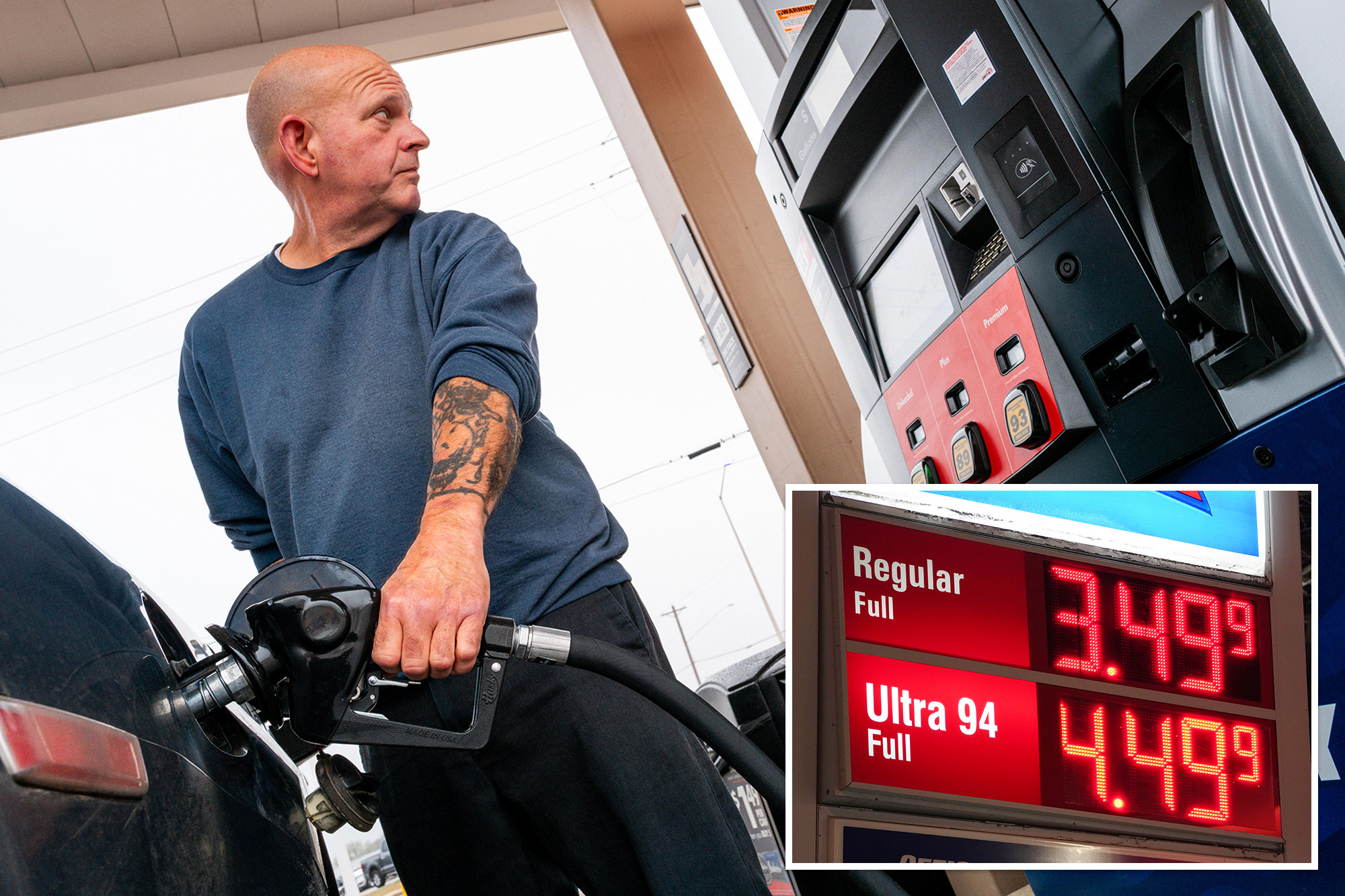
The ongoing conflict involving Iran has led to a significant spike in gas prices across the United States. As of Saturday, March 16, 2024, the average price for regular unleaded gasoline in New York City reached $3.58 per gallon. This marks a sharp increase from $2.86 just three weeks prior, according to data from GasBuddy. Some local stations are already reporting prices nearing $4.00 per gallon, reflecting the growing impact of global oil supply disruptions.
The crisis began when Iran blockaded the Strait of Hormuz, a critical chokepoint for oil transport, in response to a military campaign by the United States and Israel that commenced on February 28, 2024. The blockade has resulted in the shutdown of about one-fifth of the world’s oil supply. As a consequence, the average gasoline price nationwide surged by 26 cents in just one week, reaching $3.68 on Saturday. This represents a 70-cent increase since the war began, marking the highest price Americans have faced since May 2024.
On the eve of the military strikes, the cost of a gallon of regular gasoline was a more manageable $2.98. The recent rise in fuel prices correlates with crude oil prices exceeding $100 per barrel. Additionally, the transition to summer-blend gasoline, which is designed to burn cleaner but involves higher production costs, suggests that the current price surge may not abate in the immediate future.
In an effort to mitigate the escalating prices, President Trump announced on Wednesday the release of 172 million barrels from the U.S. Strategic Petroleum Reserve. This is the largest emergency release in American history. Despite this significant intervention, the amount released will only cover slightly more than eight days of domestic oil demand, which averages around 20 million barrels per day.
As the situation evolves, consumers and analysts alike are closely watching the implications of these developments on the economy and daily life. The ramifications of the conflict and the subsequent rise in gas prices are expected to resonate well beyond the fuel tank, affecting various sectors reliant on transportation and energy costs.