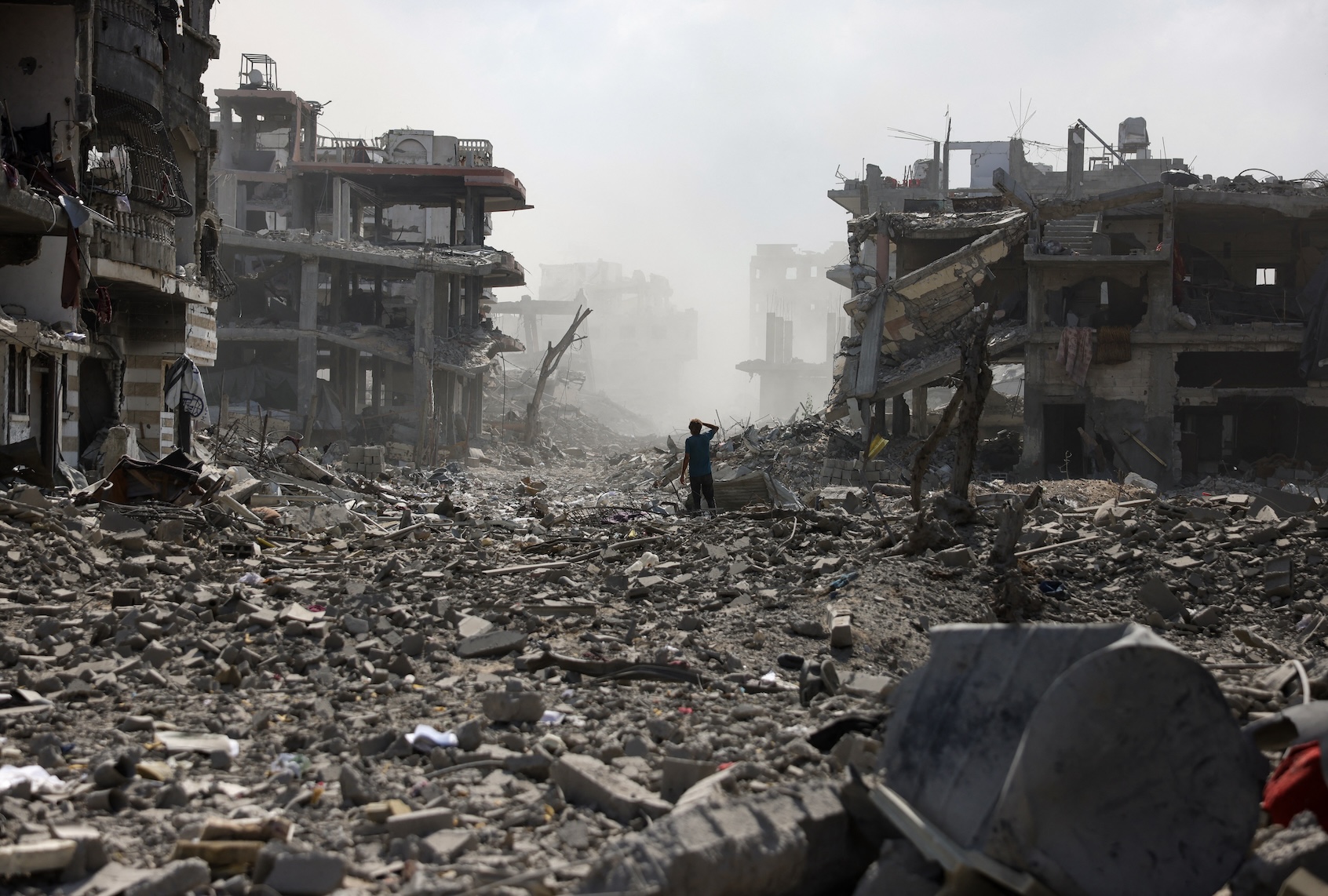
A recent escalation in the Gaza conflict has reignited debates surrounding U.S. foreign policy and perceptions of morality in warfare. On March 15, 2024, an Israeli airstrike reportedly killed at least two Palestinians, marking a significant violation of a ceasefire established in October 2025. Since the agreement, the number of Palestinian casualties has exceeded 600, a figure that does not account for those affected by starvation or disease due to ongoing Israeli blockades. Although the Israel-Palestine conflict has faded from mainstream media focus in the United States, it remains a contentious issue that continues to influence political dynamics and public sentiment.
According to internal polling and analysis, including findings from a confidential Democratic Party report, the civilian deaths in Gaza have begun to shift the political landscape regarding U.S. relations with Israel. Historically viewed as a steadfast ally, Israel’s actions are increasingly scrutinized amid rising calls for accountability. This shift was notably reflected in the impact on Vice President Kamala Harris’s 2024 campaign, as the Gaza conflict has contributed to a growing divide among American voters.
Changing Perspectives on Atrocity
The notion of “atrocity” has been a focal point in the work of Bruce Robbins, a professor at Columbia University. Robbins, who has explored how literature and society perceive mass violence, emphasizes the moral implications surrounding civilian casualties during conflicts. His recent discussions highlight a pivotal moment in the recognition of atrocities, particularly in light of current events in Gaza.
Robbins posits that the tension between national duty and universal morality has reached a critical point. He reflects on his father’s role as a bomber pilot in World War II, grappling with the moral complexities of targeting civilian populations. He notes that while some atrocities are widely condemned, others remain justifiable in the eyes of those involved, creating a paradox in moral judgment.
The response to the Gaza conflict appears to underscore a similar moral reckoning. Following the October 7 attacks by Hamas, which resulted in civilian casualties in Israel, the subsequent Israeli military actions have been characterized by many as mass killings of Palestinian civilians. The immediacy of social media has amplified these images, providing unfiltered access to events that might have otherwise been curated through traditional media outlets. This shift in information dissemination has shaped the moral perspective of a younger generation, fostering a critical dialogue around the implications of U.S. support for Israel.
U.S. Accountability and Moral Responsibility
Robbins argues that the United States bears a significant degree of responsibility for the ongoing violence in Gaza. He cites the involvement of corporations like Lockheed Martin, which supplies military hardware to Israel, as a point of contention among students and activists. The growing awareness of U.S. complicity in these actions is fostering a sense of righteous anger among young Americans, particularly as they witness the humanitarian toll of the conflict.
He further explains that the distinction between foreign atrocities and domestic complicity has blurred, leading to heightened scrutiny of U.S. foreign policy. Activism around these issues has gained traction, with protests and movements calling for accountability. This evolving landscape indicates a shift in how atrocities are perceived, especially among younger generations who are less insulated from the realities of conflict.
Robbins also highlights the role of American Jews in this discourse, noting a rising number of individuals who now recognize the actions of the Israeli government as an atrocity. Many have joined protests and advocated for movements like BDS (Boycott, Divestment, Sanctions), reflecting a growing consensus that external pressure may be necessary for change.
In conclusion, the current phase of the Gaza conflict is not merely a humanitarian crisis; it represents a significant turning point in American consciousness regarding moral responsibility in warfare. As the dialogue around atrocities continues to evolve, the implications for U.S. foreign policy and its relationship with Israel are profound, suggesting that the traditional frameworks of national allegiance may be challenged by a new generation demanding accountability and ethical clarity.