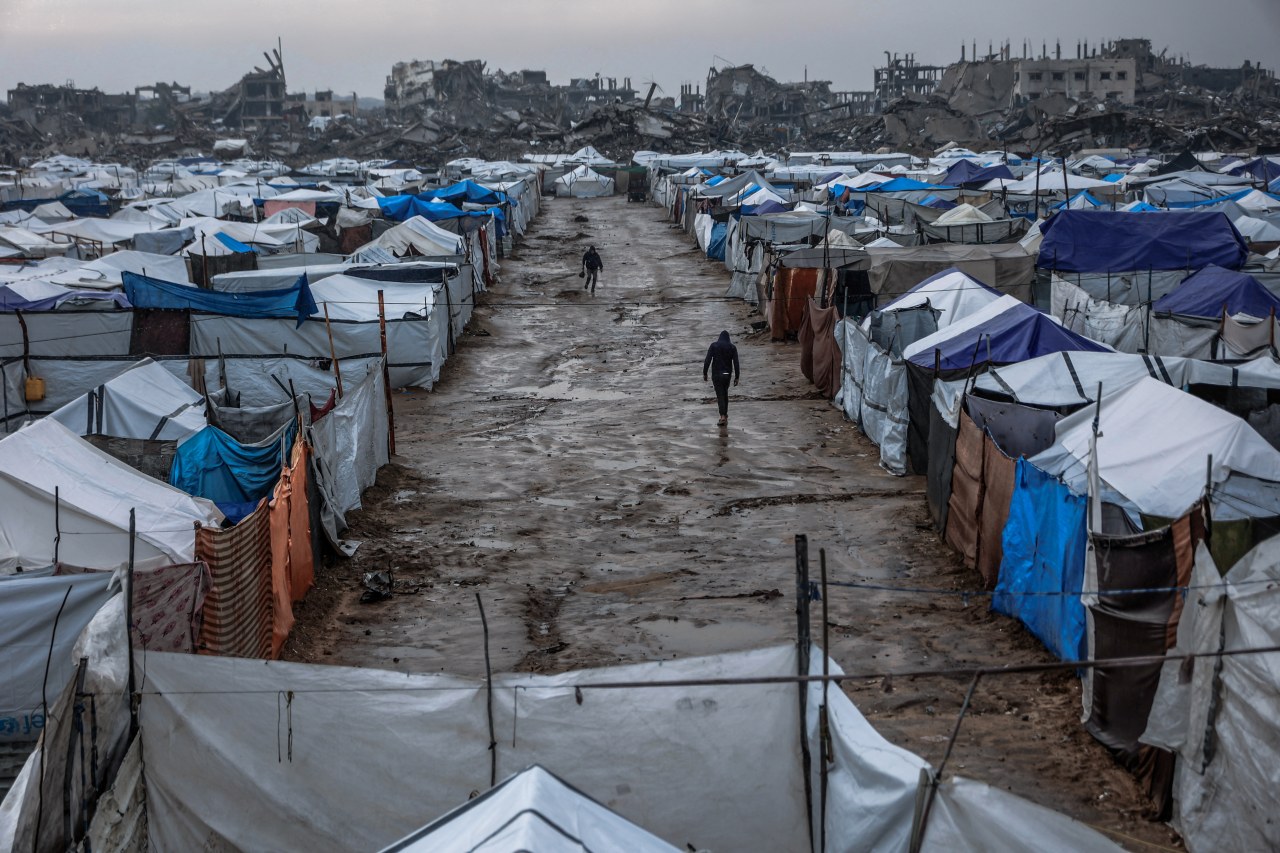
Heavy rainfall has led to severe flooding in the Gaza Strip, exacerbating the already dire conditions for over 1.1 million residents lacking adequate shelter. The combination of damaged infrastructure and poor drainage systems has resulted in significant water accumulation, further complicating the humanitarian crisis unfolding in the region.
The United Nations has reported that the flooding has overwhelmed sewage systems, leading to the contamination of drinking water supplies. This situation poses serious health risks, including the spread of waterborne diseases. According to the World Health Organization (WHO), the lack of proper sanitation and clean water is critical, with potential outbreaks of illnesses such as cholera becoming increasingly likely.
Government and Humanitarian Response
In response to the escalating crisis, humanitarian organizations, including UNICEF, are mobilizing to provide immediate assistance. Emergency relief efforts are focused on distributing clean water, sanitation supplies, and food to those affected by the floods. However, ongoing conflicts and blockades have hampered these efforts, making it challenging to reach those in urgent need.
Local authorities in the Gaza Strip have also called for international support to address the dual challenges of flooding and sewage overflow. They emphasize that the situation is a direct result of years of underinvestment in infrastructure, compounded by the recent weather conditions. As the rainy season progresses, the risk of further flooding remains high.
Living Conditions in Gaza
Living conditions in Gaza have deteriorated significantly due to the compounded effects of conflict and natural disasters. Many families are now forced to reside in makeshift shelters, which are ill-equipped to withstand harsh weather. The United Nations has categorized the situation as a humanitarian emergency, with many residents facing food insecurity and health risks on a daily basis.
The flooding has not only damaged homes but also disrupted the already limited access to healthcare services. Hospitals are struggling to cope with the influx of patients, many of whom are suffering from respiratory infections and gastrointestinal issues linked to contaminated water sources. The WHO has stated that urgent action is needed to prevent a public health disaster.
As the situation unfolds, the international community is urged to provide support to alleviate the suffering of those impacted by the floods. With the risk of further weather events looming, the need for sustainable solutions to address the infrastructure deficits in Gaza has never been more critical.